
 Get Guardian on Google
…decry conflicts, banditry, extremism across Africa
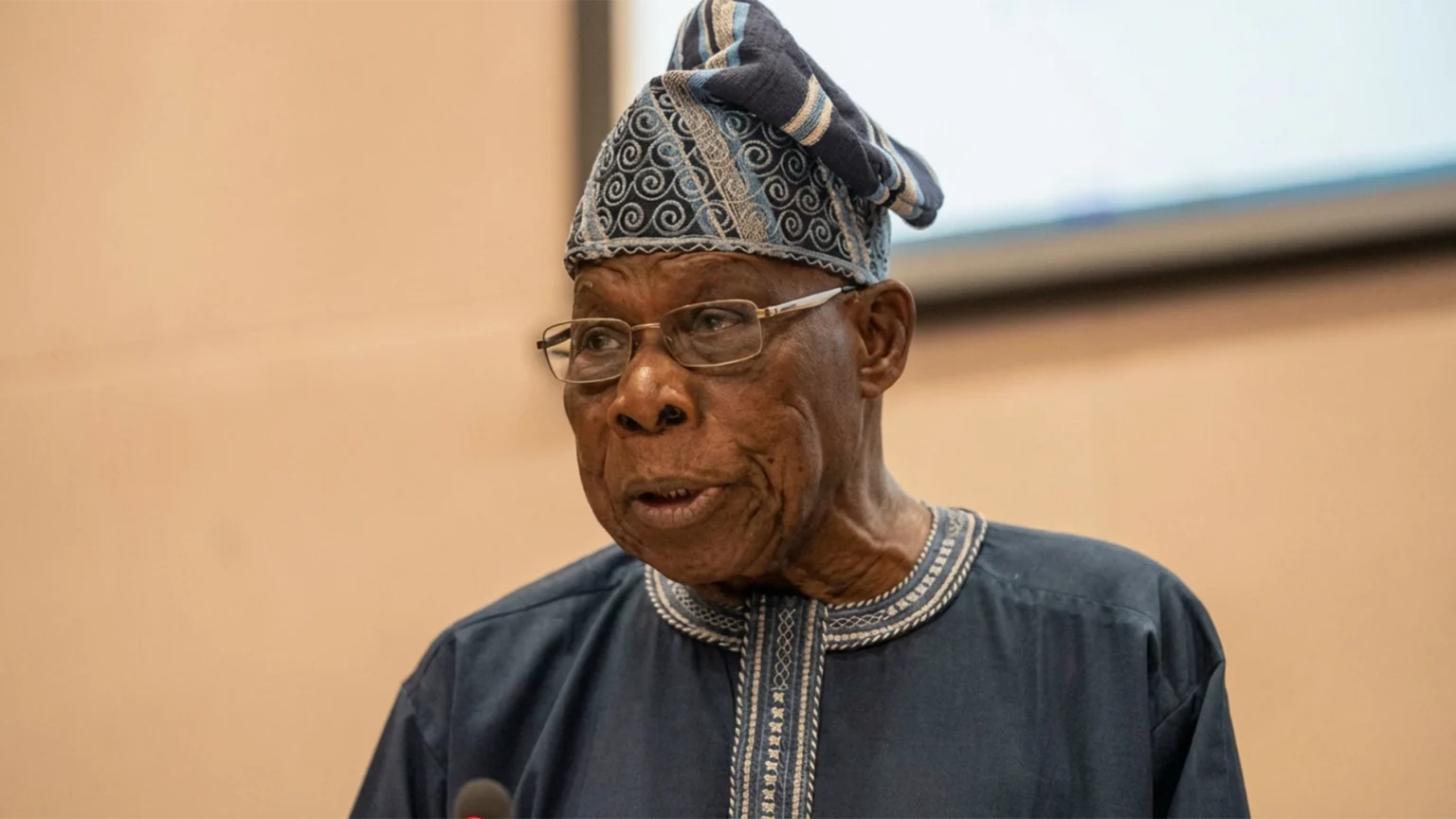
Former President Olusegun Obasanjo, African diplomats, policy experts and development advocates, have called for stronger continental corporation among African countries, home-grown development policies and autonomous continental institutions to strengthen Africa’s ability to safeguard its interests and remain competitive in the evolving global landscape.
They cautioned that the continent could become a theatre of rivalry among competing world powers if African leaders failed to build strong institutions, boost economic capacity and demonstrate the collective political commitment needed to set and pursue their own development agenda.
They also highlighted persistent security threats across the continent, noting that protracted conflicts, violent extremism, banditry and organised criminal activities continued to undermine peace and stability.
The call was contained in a communiqué issued at the end of the maiden Amandla Parapọ̀, the flagship policy and leadership retreat of the Amandla Institute for Policy and Leadership Advancement (AIPLA), held at the Amandla Conference and Resort, Ilishan-Remo, Ogun State, yesterday.
The gathering, supported by Open Society Foundations (OSF), brought together African statesmen including Obasanjo, diplomats, scholars, researchers, Pan-Africanists, policymakers and civil society leaders to examine the implications of changing global geopolitics for Africa.

Participants identified Africa’s vast arable land, strategic transition minerals, rare-earth deposits, maritime trade corridors and youthful population as critical assets that could strengthen its position in the emerging global order.
They, however, expressed concern that the continent remained poorly positioned to protect and maximise these resources amid increasing competition among global powers for strategic assets driving the green and digital transitions.
The partipants also called for the revival of the Pan-African spirit that characterised the 1990s and early 2000s, when the Organisation of African Unity (OAU) was transformed into the African Union (AU), alongside the emergence of initiatives such as the New Partnership for Africa’s Development (NEPAD) and the African Peer Review Mechanism (APRM).
They identified Nigeria, South Africa, Algeria, Egypt, Ethiopia and Senegal as countries with significant responsibilities in renewing Africa’s collective leadership and development direction.
On governance, participants expressed concern over declining public confidence in democratic institutions and growing dissatisfaction with existing governance models, particularly among young Africans.
They further called for a new generation of African leaders committed to Pan-African values, while advocating governance systems that reflect Africa’s historical, and cultural realities, as well as diversity for measurable improvements in the living conditions of citizens.
Addressing security challenges, the participants noted that prolonged conflicts, violent extremism, armed banditry and organised crime continued to threaten peace and stability across the continent.
They argued that the transnational nature of these threats required stronger regional and continental conflict-management structures, improved intelligence and security coordination, sustainable funding and greater application of technology.
The participants who stressed the need to tackle the underlying economic, social and political conditions fuelling insecurity, called for stronger public-private sector partnerships and an enabling environment capable of promoting investment, local production, industrialisation, agricultural processing and employment generation.
On economic transformation, participants highlighted the contributions of Africa’s private sector, including businesses operating within the informal economy, noting that entrepreneurs remained critical to the continent’s development but were often inadequately supported by governments
Earlier, the Co-founder and Chairperson of the AIPLA Governing Board, Erelu Bisi Adeleye-Fayemi, challenged African leaders to move beyond diplomatic rhetoric and confront the realities shaping the continent’s future.
She maintained that Africa could not achieve genuine sovereignty by relying on borrowed ideas and external capital, stressing the need for independent institutions, stronger domestic funding mechanisms and greater African control over development priorities.
Drawing from her experience as co-founder of the African Women’s Development Fund (AWDF), Fayemi warned that excessive dependence on foreign funding could influence the priorities and ambitions of African institutions.
She also emphasised the importance of intergenerational leadership, urging African institutions to create opportunities for young thinkers, civic innovators and emerging scholars while ensuring the transfer of institutional knowledge, ethics and strategic discipline.
Fayemi argued on continental integration that no African country, regardless of its size or natural resources, could effectively negotiate with major global powers in isolation.
She, however, called for the practical implementation of the African Continental Free Trade Area (AfCFTA), the African Mining Vision and the African Union’s Agenda 2063, while advocating a shift from the export of raw materials to domestic processing and value addition.