
 Follow Us on Google Discover
You’ve at some point turned on your television or tuned in to a radio station on your morning drive to work, and admired the smooth, confident voices of Nigerian broadcasters and actors, right? Today, Nigeria boasts of massive entertainment and media industry that commands global respect. From Nollywood blockbusters to viral podcasts, young Nigerians are telling their stories to the world with incredible style.
Looking back at history, we find that this vibrant creative industry did not build itself. It stands on the shoulders of quiet, hardworking pioneers who laid the bricks decades ago.
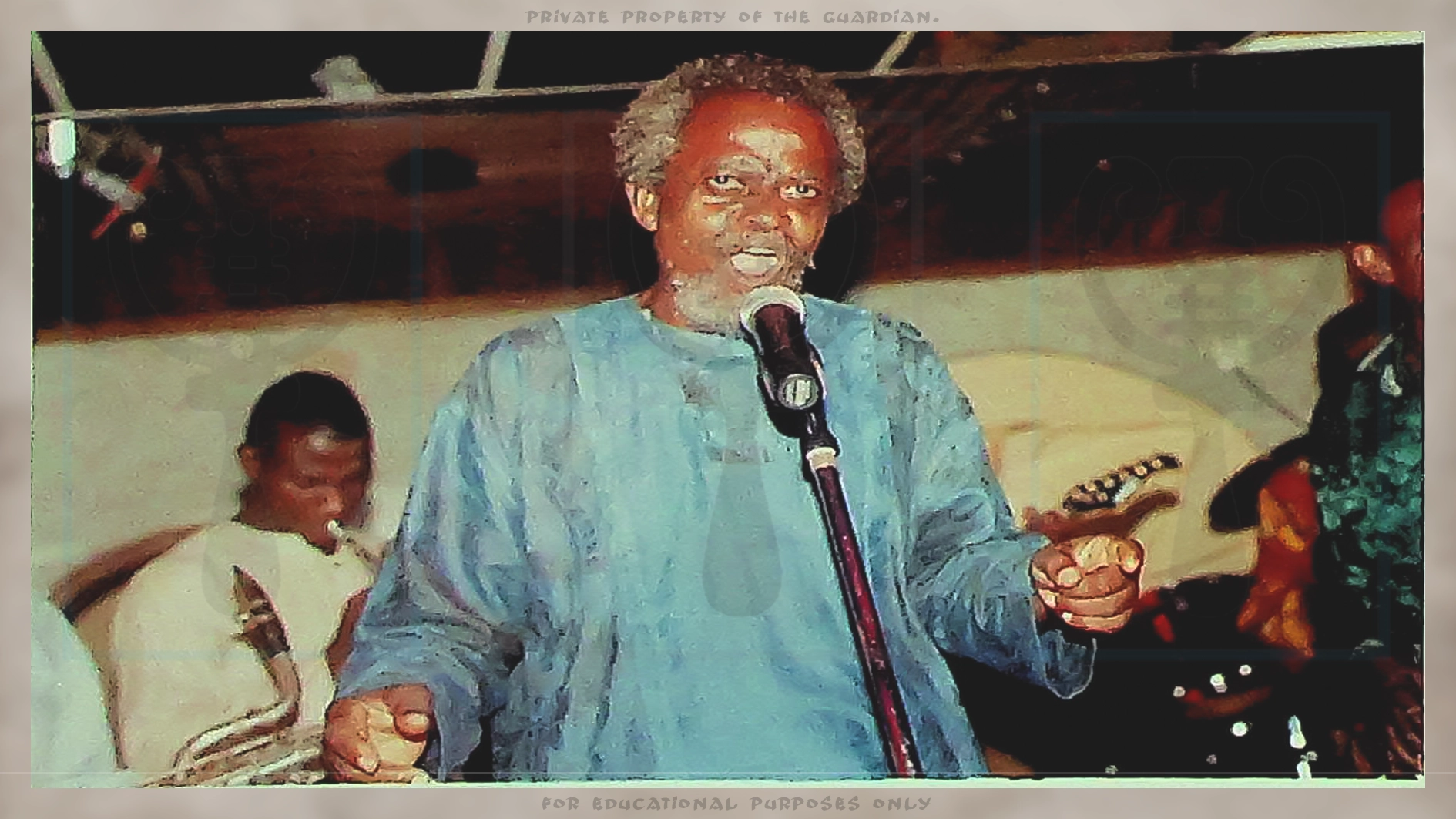
One of the greatest of those unsung builders was Segun Sofowote. A veteran broadcaster, dramatist, actor, and prolific writer, Sofowote was a true master of the Nigerian arts. While many of his peers went on to become loud household names, Sofowote preferred the quiet dignity of the craft.
Archival records of his life and work reveal a fascinating story of a man who helped invent Nigerian radio drama, championed proper speech, and preserved our folklore for future generations.
Pioneers of the airwaves
The late 1950s and early 1960s in Ibadan were a golden era of excitement as Nigeria prepared for independence. At the centre of this cultural awakening were the Western Nigerian Broadcasting Service (WNBS) and WNTV, the very first television station in tropical Africa.
Sofowote was right there at the beginning. Alongside prominent figures like the late Ambassador Segun Olusola, Ted Mukoro, and a young Wole Soyinka, Sofowote helped pioneer radio and television drama in Nigeria. Long before The Village Headmaster became a national sensation on television screens, this talented group of young creatives gathered in radio studios to perform Broke Time Bar, a popular radio drama written by Wole Soyinka.
In those early days, there were no massive budgets or fancy special effects. Everything depended on the power of the human voice and the sharpness of the script. Sofowote and his colleagues used their vocal talent to paint clear images in the minds of listeners across the country, proving that Nigerian stories could captivate a nation.
A master of the spoken word
Beyond acting and producing, Segun Sofowote was deeply passionate about the beauty and precision of language. Having spent decades behind the microphone, he understood that how a message is delivered is just as important as the message itself.
He noticed that many non-native speakers struggled with the tricky rules of English pronunciation and rhythm. Rather than simply complaining about falling standards in broadcasting, Sofowote decided to write a practical guide to help others. He authored a celebrated book titled English as She is Spoke: A Non-native Speaker’s Speech Companion.
Through this work and his mentorship, he trained countless young broadcasters, actors, and public speakers. He taught them that clear communication was an art form that required discipline, practice, and respect for the audience.
Segun Sofowote’s creative energy was endless. Even as he grew older, colleagues fondly described him as a “tireless old war horse” who never stopped creating. His contribution to Nigerian literature and theatre spans decades and covers an impressive range of genres.
He wrote numerous stage plays, including Sailor Boy In Town, The Royal Pigeon’s Perch, and The Square Ring, alongside Yoruba titles such as Eiye Melo? and Asiko Non To. He also had a special heart for young audiences, composing several children’s musicals like On The Hill and The Singing Bone to ensure that kids grew up appreciating theatre and music.
Perhaps one of his proudest literary achievements was his dedication to keeping traditional African storytelling alive. His book, Three Tales of the Tortoise (retold and retouched), brought classic Nigerian folklore to a modern readership and earned a prestigious spot on the nomination list for the 2008 Noma Award for Literature in Africa. Even in his octogenarian years, he continued to publish works like Went Forth A Whisper: To Steal The Royal Bugle, a witty drama exploring marriage and culture in 1940s southwestern Nigeria.
His works remind us that the thriving Nigerian creative industry we celebrate today did not appear out of thin air. It was carefully crafted by dedicated pioneers like Segun Sofowote, men and women who loved their craft, respected their audience, and used their voices to build a lasting cultural foundation. Sofotowe was a man who gave everything to Nigerian theatre, broadcasting, and literature without ever demanding the spotlight for himself.
