
 Get Guardian on Google
Oil and gas operators have identified supply chain financing, transparency, payment discipline and trust as critical to improving access to funding across Nigeria’s energy value chain.
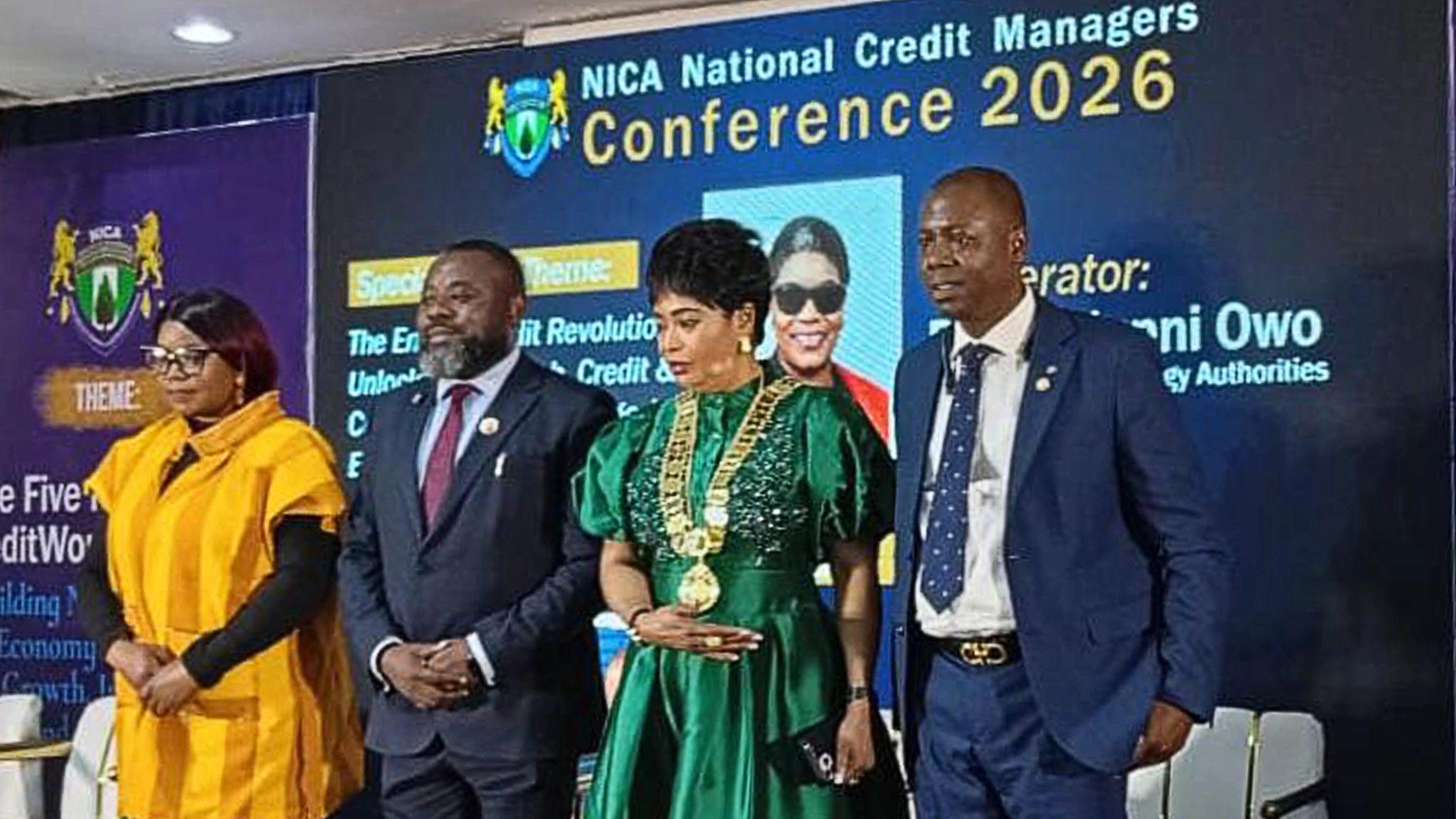
At the just-concluded National Institute of Credit Administrators (NICA) Credit Managers Conference in Lagos, stakeholders said the energy industry required a stronger and more credible credit management framework to unlock capital, improve liquidity and attract the investment needed to expand operations across the oil and gas value chain.
During a panel session moderated by the Chief Executive Officer and Managing Director of BlackGold Energy Limited, Dr Oladunni Owo, speakers identified inadequate access to credit, trapped receivables and weak payment structures as major obstacles to financing projects and expanding energy infrastructure in the country.
The panel session, themed ‘The Energy, Oil and Gas Credit Revolution: Unlocking the Cash, Credit and Confidence to Power Nigeria’s Energy Future’, was part of preparations for a planned energy credit summit next year.
Owo described credit as the missing link between Nigeria’s enormous energy resources and the economic benefits they should generate.
She said that although oil and gas remained critical to the country’s foreign exchange earnings, government revenue and industrial development, operators across the sector continued to struggle with access to working capital, while distributors battled trapped receivables and consumers faced rising energy costs.
According to her, Nigeria does not lack energy resources but lacks an effective financial bridge to convert those resources into productive economic outcomes.
She warned that without a reliable credit management system, lenders would remain reluctant to finance projects, investors would hesitate to commit funds, and operators would find it difficult to expand their businesses.
Owo noted that the financing challenges facing the industry had implications beyond oil and gas companies, stressing that access to credit ultimately affected energy affordability, industrial productivity and the welfare of ordinary Nigerians.
Speaking on how operators could improve payment cycles and restore liquidity, the Chief Operating Officer of Emadeb Energy Group, Sheriff Adeeyo, identified supply chain financing as one of the most effective mechanisms for unlocking capital within the industry.
Adeeyo explained that conventional funding arrangements had become increasingly difficult for some operators, forcing companies to explore alternative financing structures and depend more on internally generated resources to sustain and expand their businesses.
He cited supply chain financing initiatives involving major industry players, including Renaissance Africa Energy, as examples of how contractors and vendors could access financing through their contractual relationships with oil and gas companies.
The Group Executive Director, Operations, of Masters Energy Group, Felix Eribo, said the difficulty of accessing credit was not limited to the oil and gas industry but affected businesses across different sectors of the Nigerian economy.
Drawing from research he conducted involving 41 microfinance banks in Nigeria as part of his Doctor of Business Administration (DBA) thesis, Eribo said he encountered several promising business proposals that could not secure financing because the applicants were considered insufficiently creditworthy.