GDN SIDEBAR
African fashion is no longer waiting for a seat at the table. For decades, the narrative surrounding African fashion was often confined to a handful of familiar references. Today, designers across the continent are dismantling those limitations through bold experimentation, contemporary craftsmanship and deeply personal storytelling.
They are turning traditional textiles into modern statements, transforming discarded materials into luxury, and creating streetwear cultures that rival some of the world’s most influential fashion capitals.
Here are 10 African fashion brands making waves across the global fashion industry, challenging conventions, celebrating heritage and proving that some of fashion’s most exciting ideas are coming from the continent.
1. Feben: Where fashion becomes art
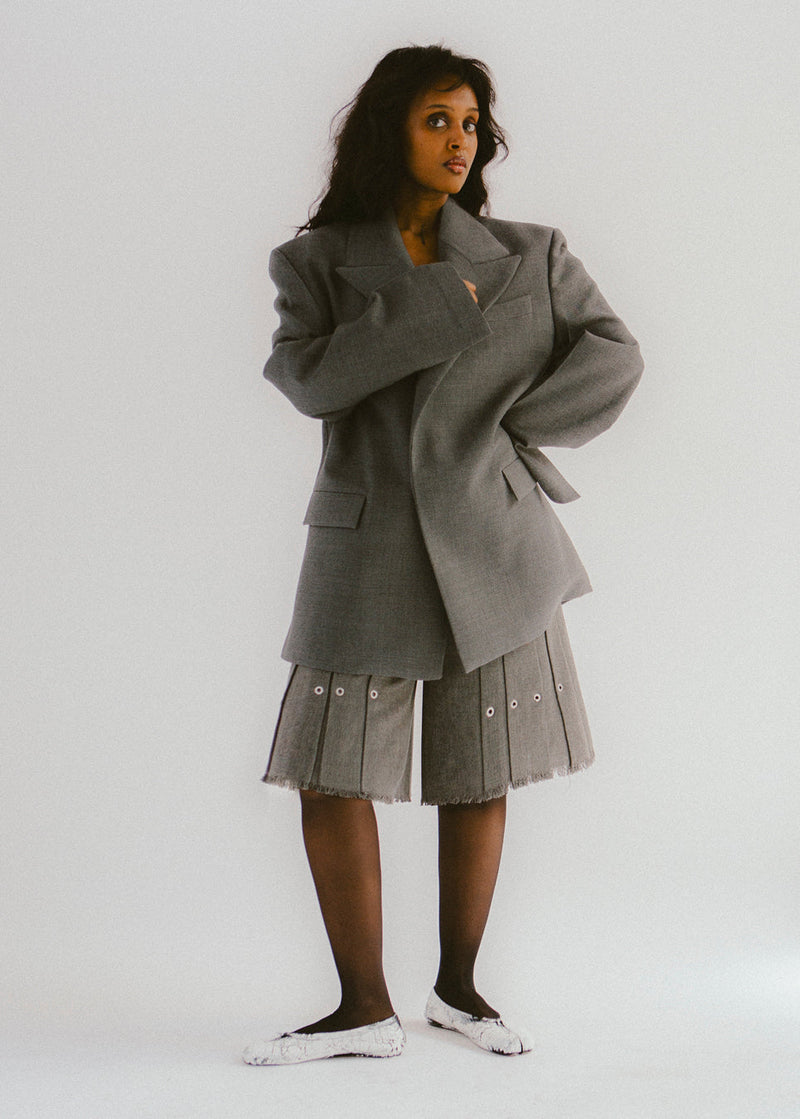
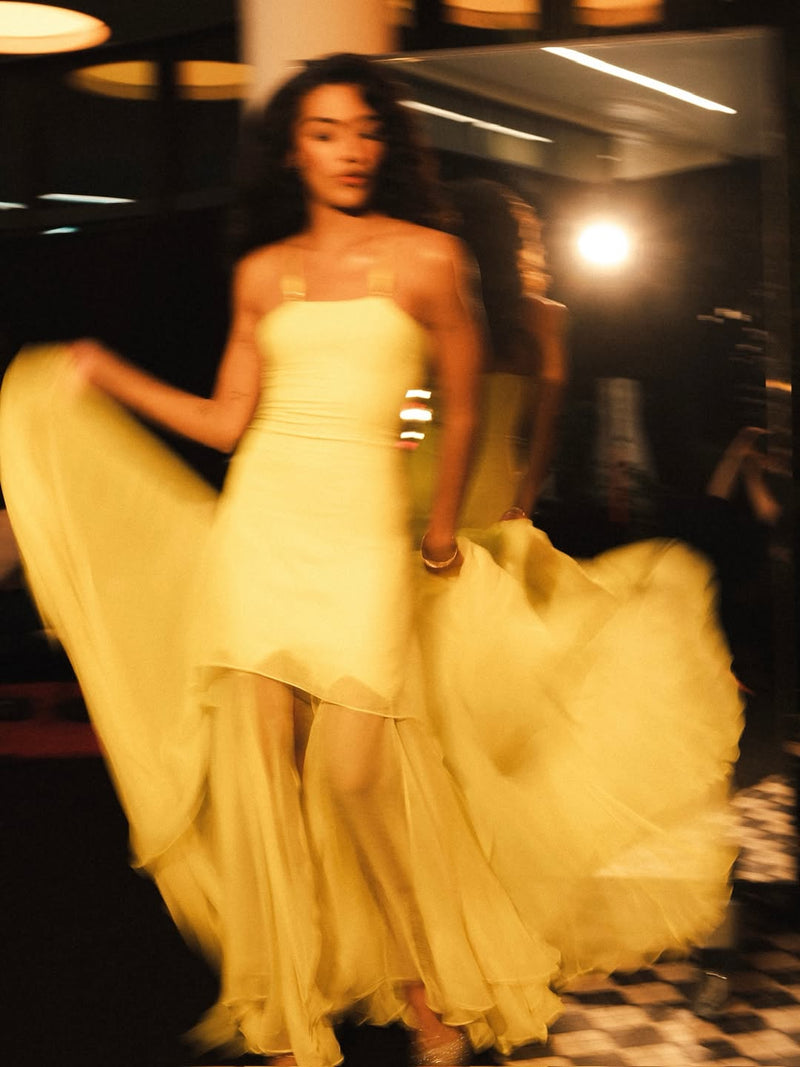 Some designers create collections while Feben creates experiences.
Founded by Ethiopian-born designer Feben, who was raised in Sweden and is now based in London, the label has become synonymous with bold colour, unconventional silhouettes and fearless creativity. Her work blurs the boundaries between art and fashion, producing garments that challenge traditional ideas of structure, beauty and femininity.
A graduate of Central Saint Martins, where she studied under an Isabella Blow Foundation scholarship, Feben has showcased her collections at both London and Milan Fashion Weeks. Her designs feel expressive, emotional and refreshingly unpredictable, earning her recognition as one of the most exciting voices in contemporary fashion.
In a landscape increasingly driven by repetition, FEBEN stands apart by constantly pushing the conversation forward.
2. Buzigahill: Turning fashion’s waste into fashion’s future
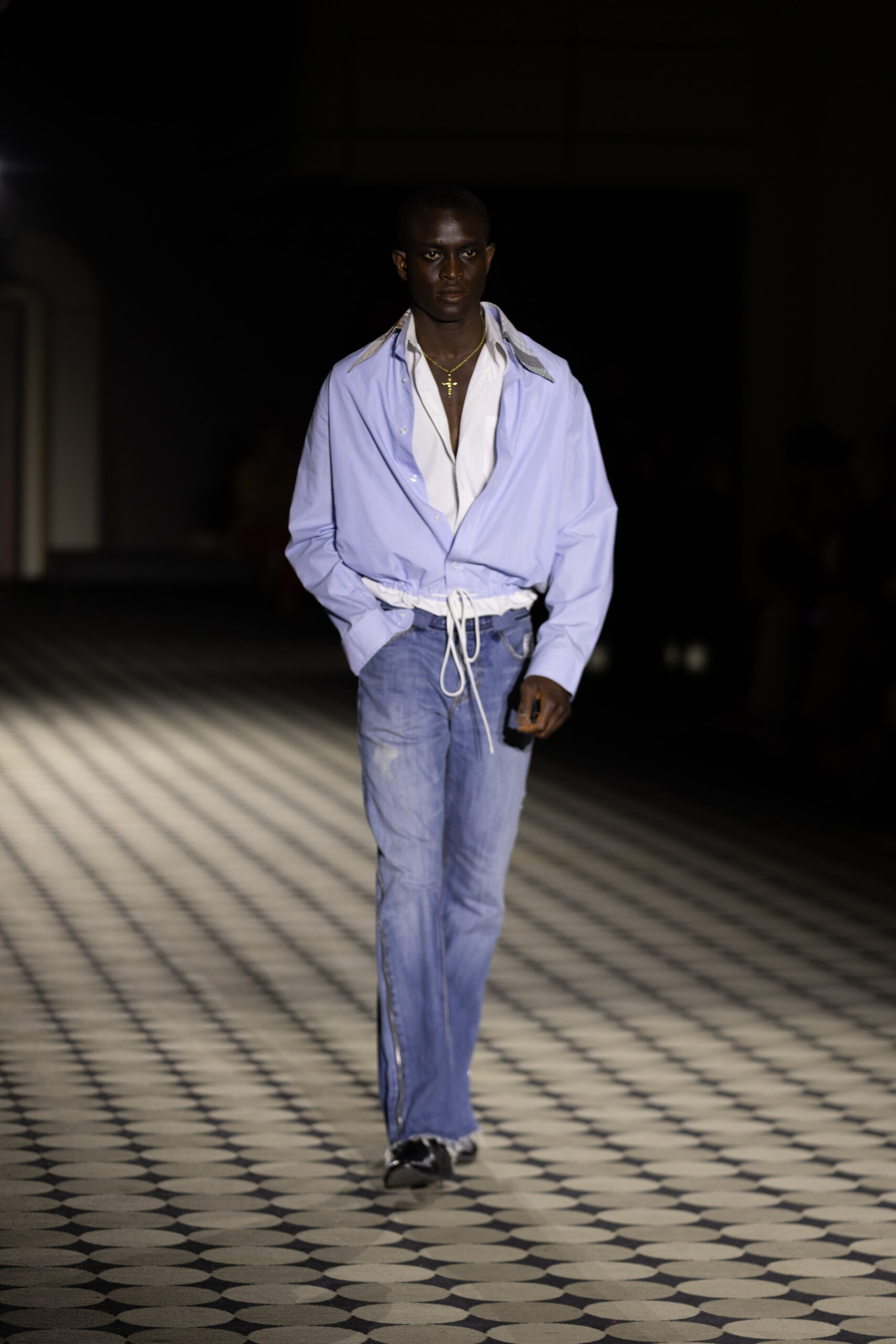
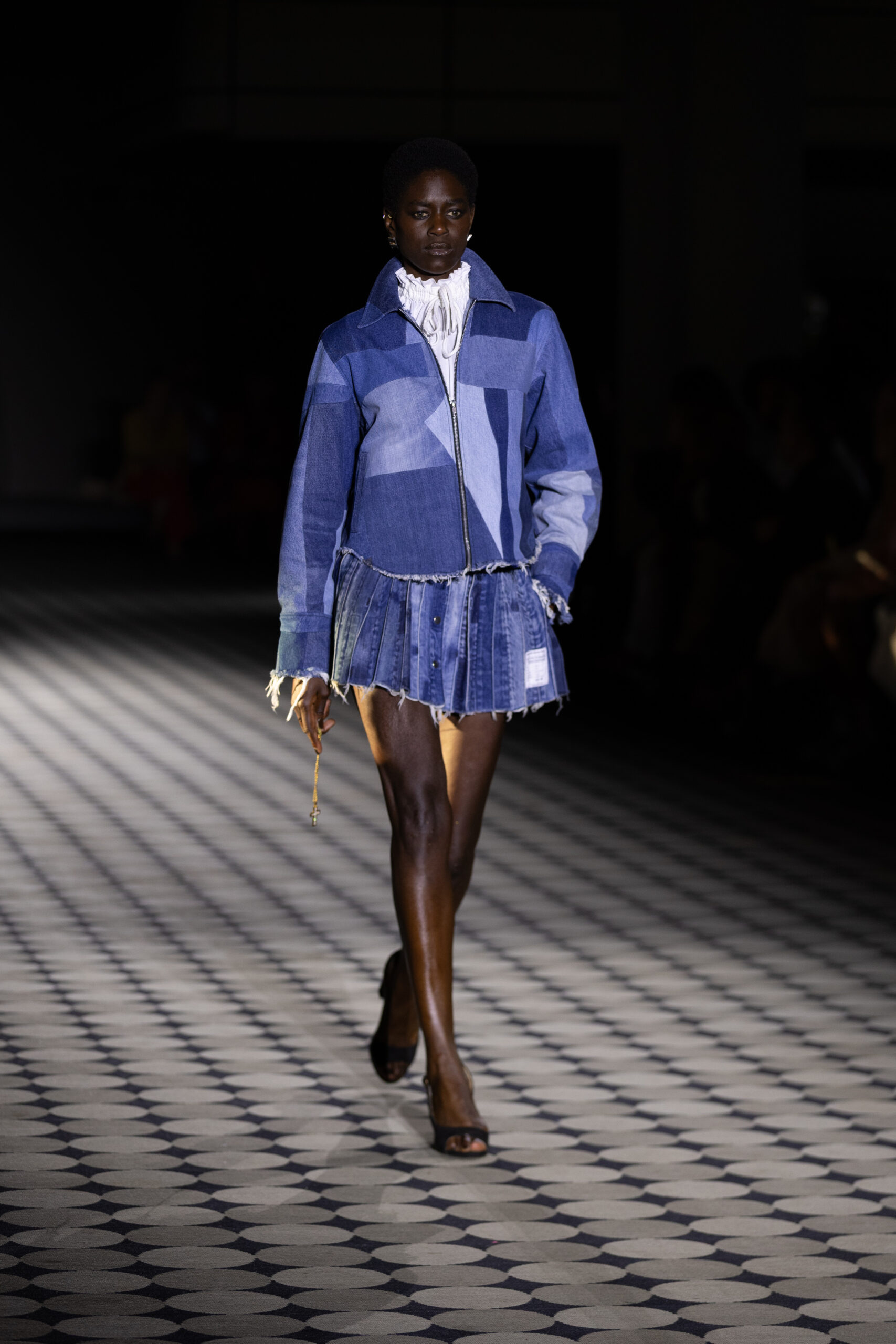
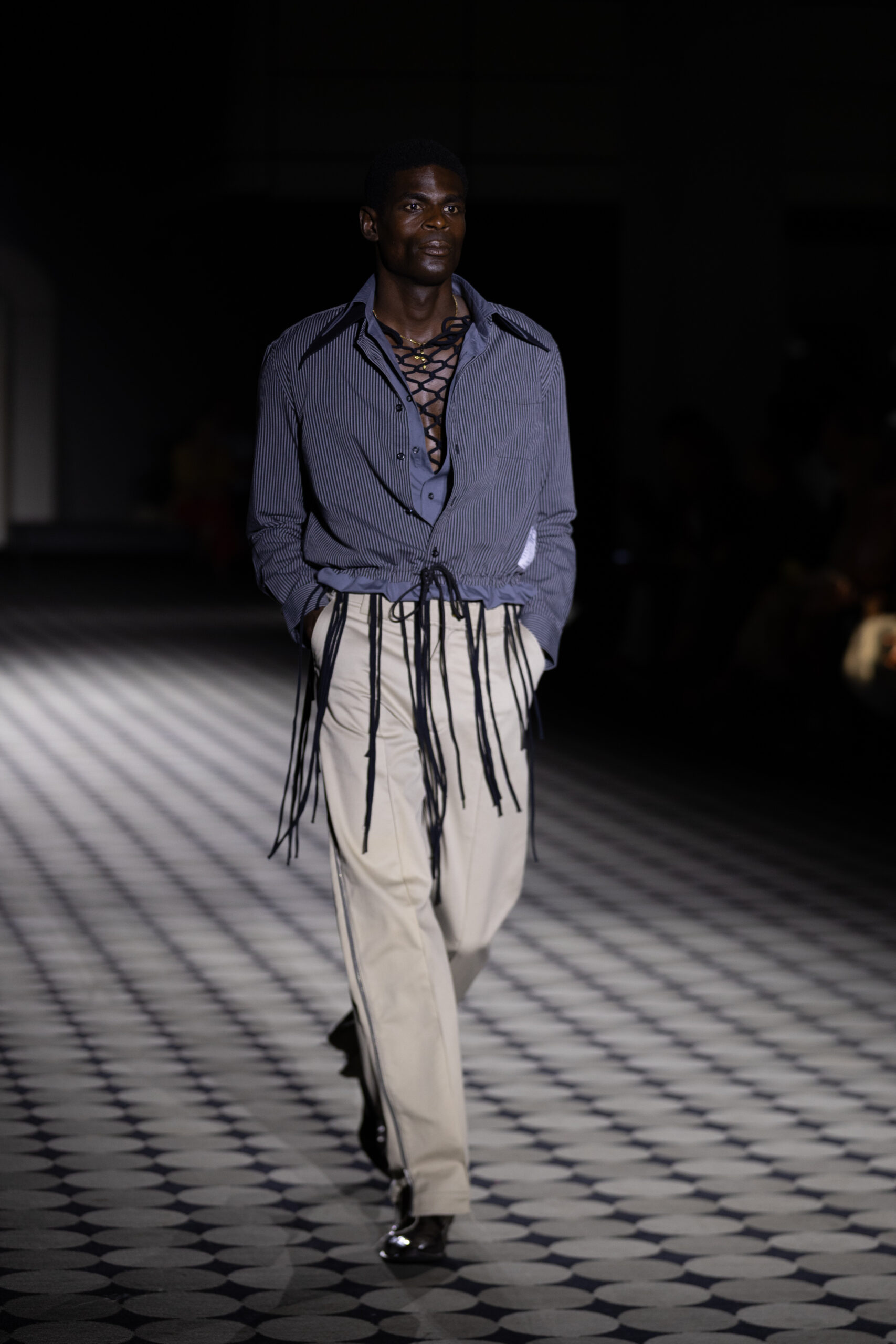
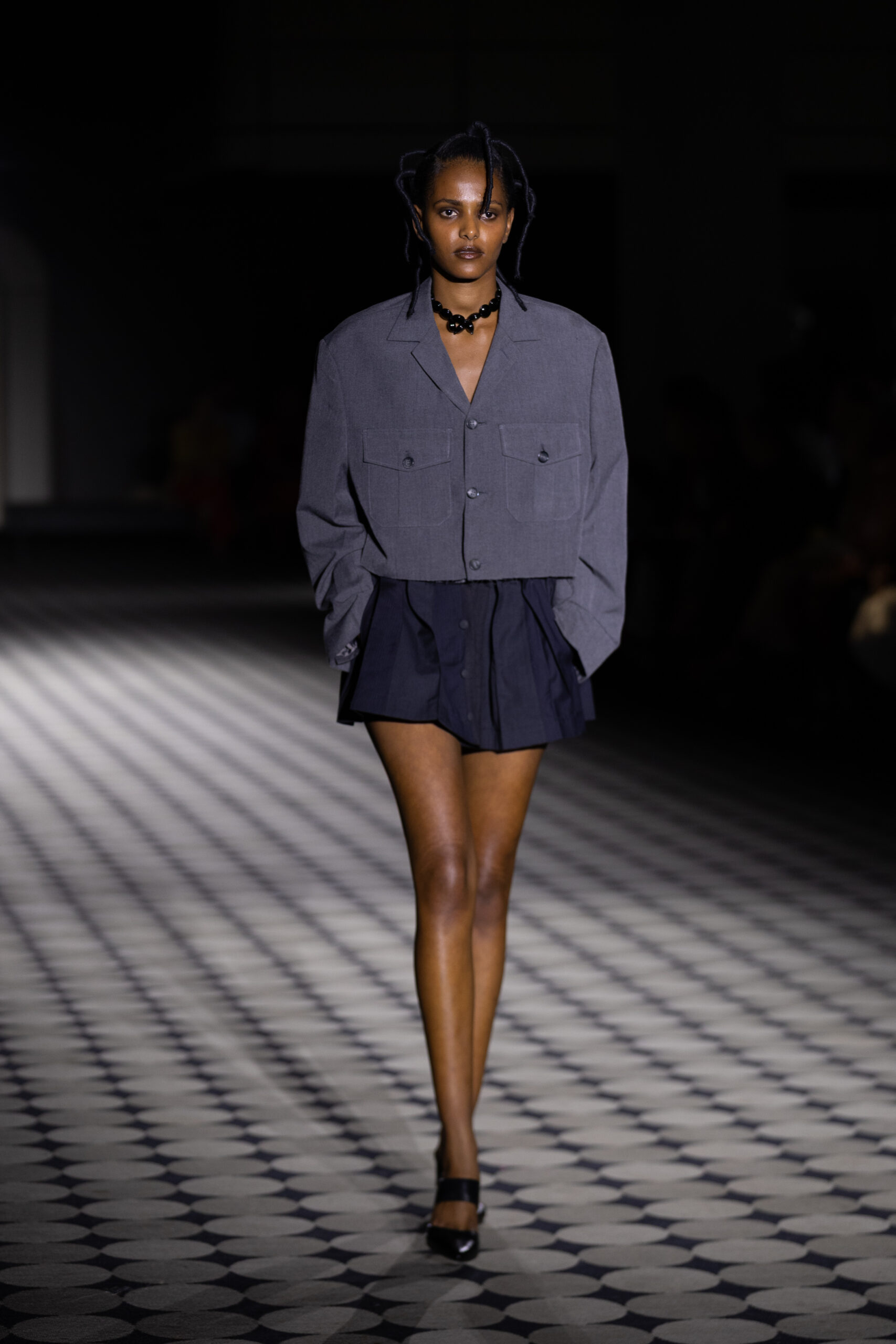 Few brands interrogate the fashion industry as boldly as Buzigahill.
Founded in Kampala by designer Bobby Kolade, the label combines fashion, sustainability and social commentary in ways that are impossible to ignore. Its acclaimed Return to Sender project reworks second-hand garments sourced from Uganda’s mitumba markets and sends them back to the Global North, where many of the clothes originally came from.
The concept is both smart and provocative. By transforming discarded garments into highly desirable fashion pieces, Kolade exposes the contradictions of a system built on overconsumption while highlighting the environmental consequences of global textile waste.
Buzigahill proves that fashion can be visually compelling while also asking difficult questions about how the industry operates.
3. Bone Koboyi: Creativity without limits
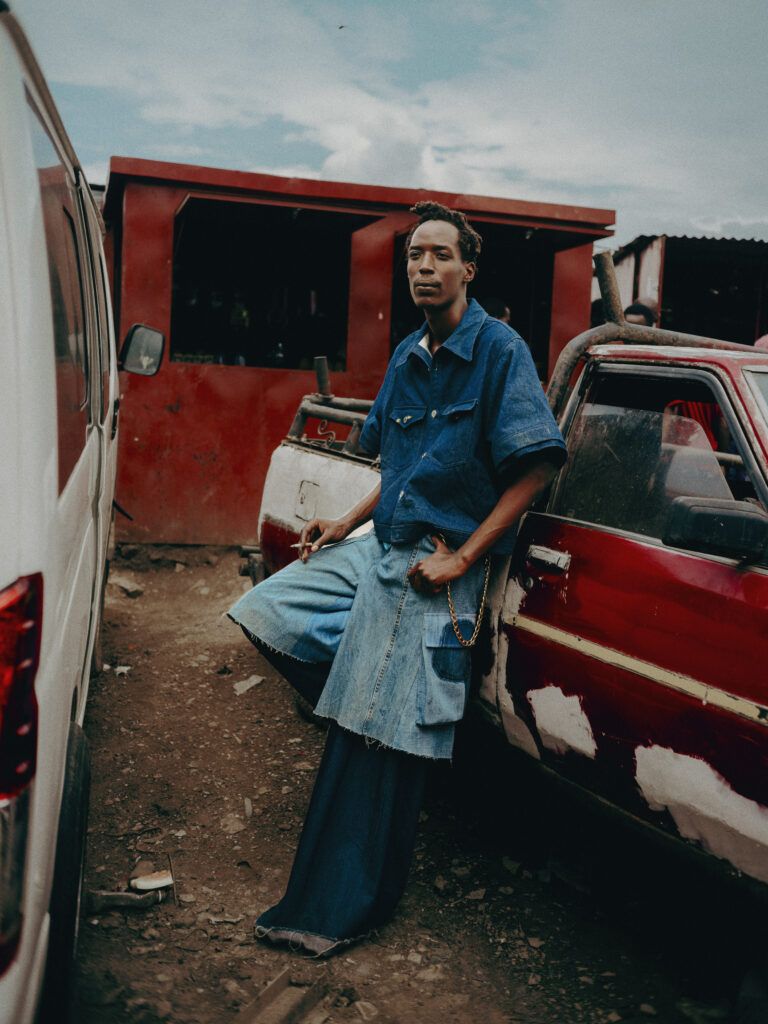
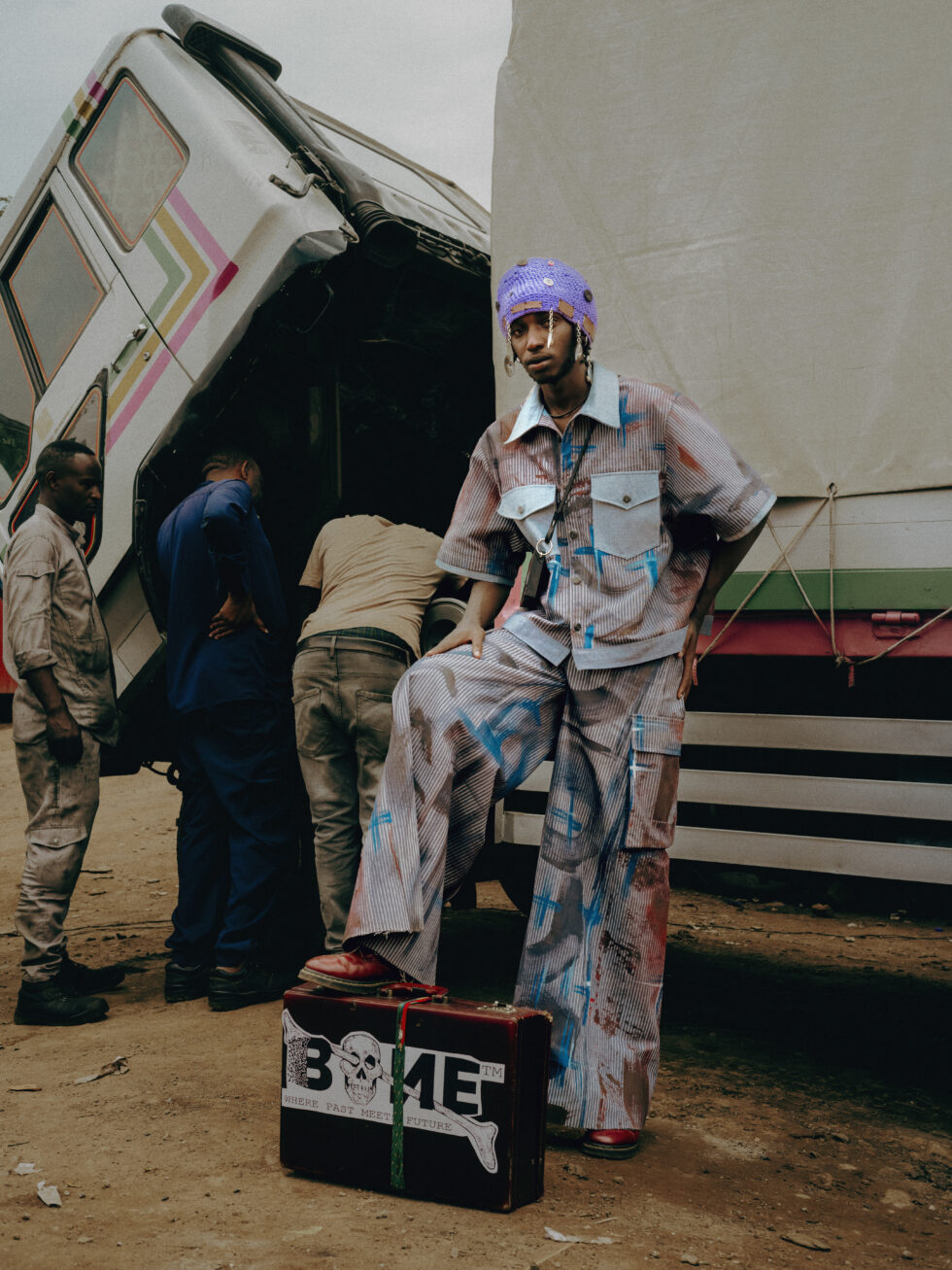
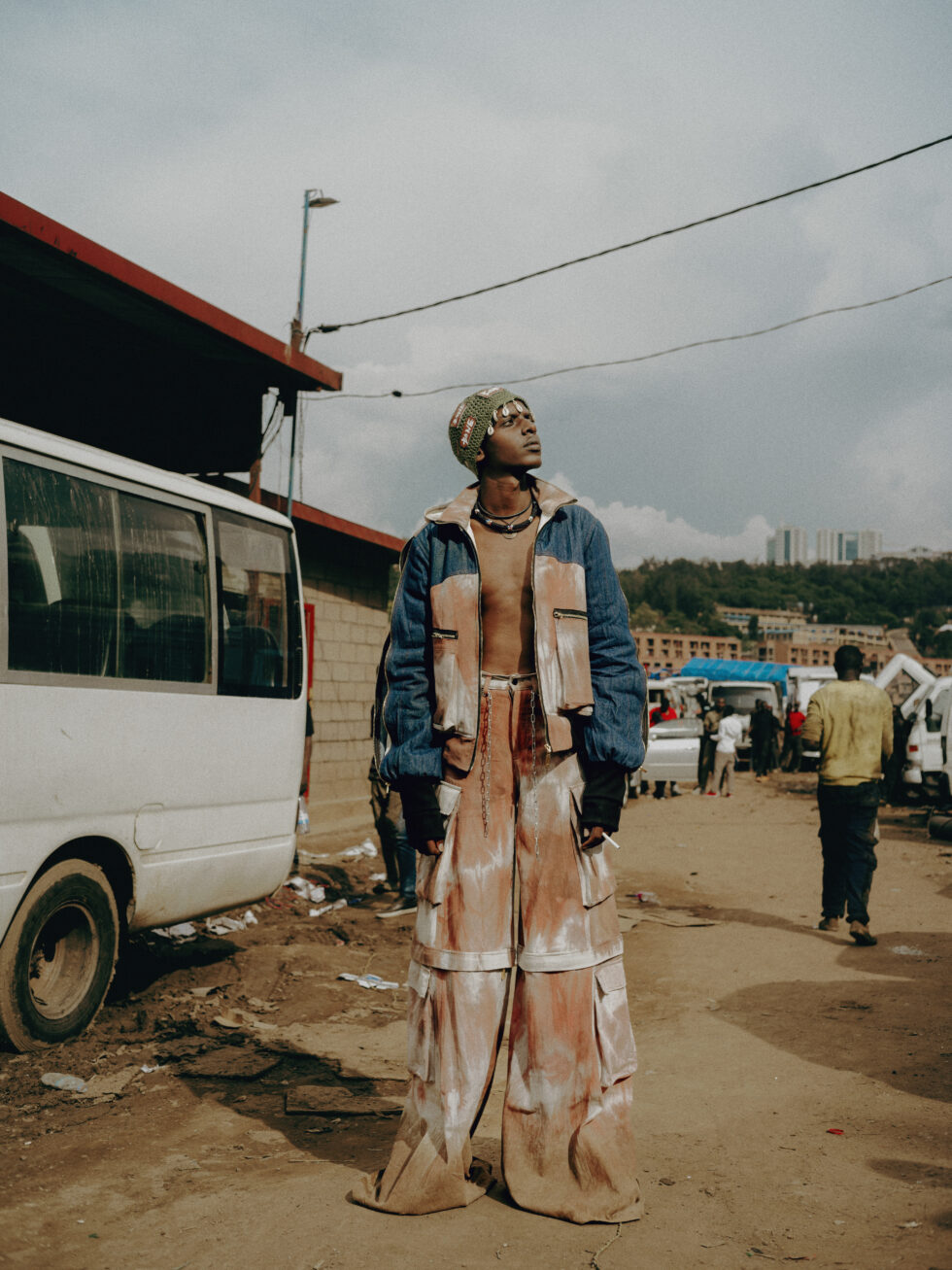 Before there was a brand, there were scraps of fabric, old family clothes and a determination to create something extraordinary.
Founded in Kigali in 2020 by Ras Maurice, Bone Koboyi emerged from a belief that creativity is not dependent on resources but on imagination. Maurice learned tailoring skills from a local craftsman before experimenting with his father’s shirts, his mother’s dresses and whatever fabrics he could find.
Those humble beginnings have grown into a label that sits between fashion, art and storytelling. Through reconstructed garments and inventive designs, Bone Koboyi transforms discarded materials into pieces that feel expressive, personal and deeply connected to Rwanda’s creative landscape.
Its story is a powerful reminder that some of fashion’s most compelling visions are born from resilience, ingenuity and self-belief.
4. Hawii: Bridging heritage and modernity
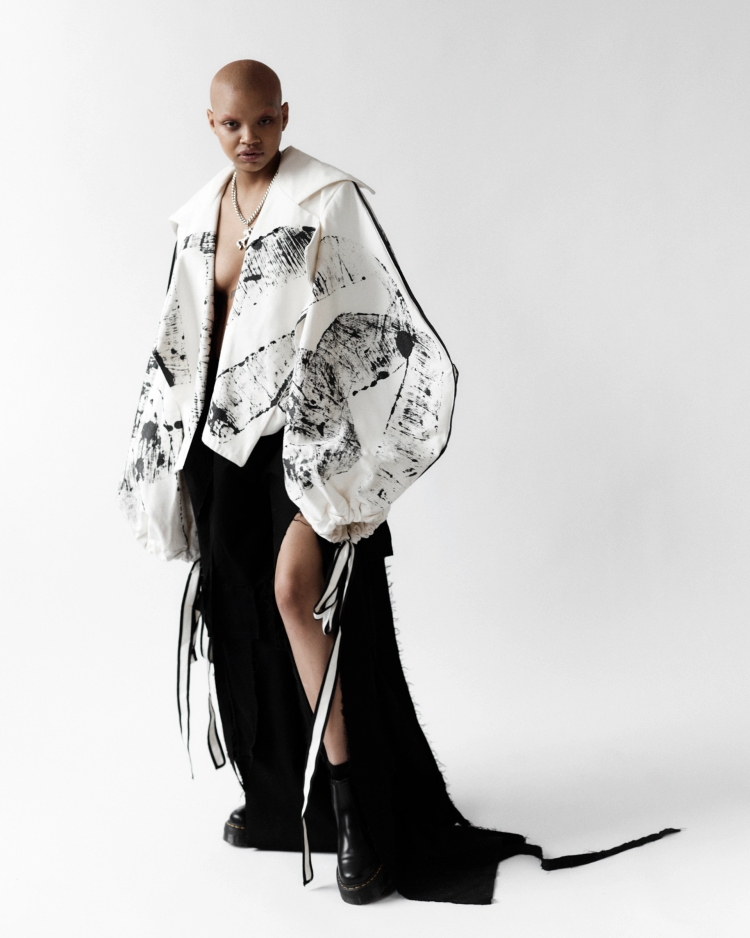
For Ethiopian designer Hawii, fashion is more than clothing. It is a way of preserving culture while creating something entirely new.
Through Hawii, she fuses Ethiopian craftsmanship with a contemporary aesthetic that resonates globally. Based in Paris but rooted in Ethiopian heritage, the label explores themes of identity, freedom and self-expression through thoughtfully crafted collections.
International recognition has followed. Dr. Martens selected Hawii as one of only three designers featured in its Paris Fashion Week showroom, while African Fashion Up honoured Hawi with both Best Designer and Best Female Entrepreneur awards in 2025.
Yet her ambitions stretch beyond personal success. Through plans to establish a fashion school in Ethiopia, Hawi hopes to help cultivate the next generation of African creative talent.
5. Mafi Mafi: Giving tradition a modern life
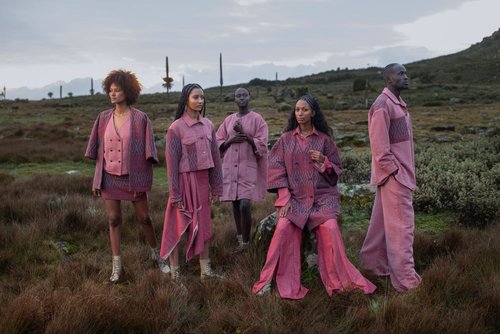
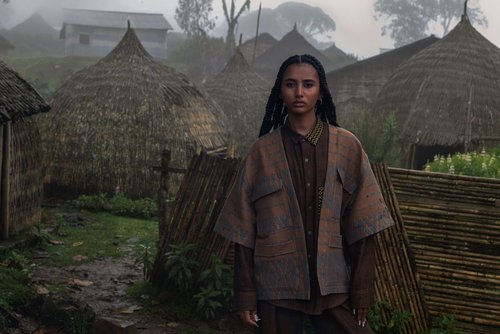
In an industry obsessed with the next new thing, Mahlet Afework, popularly known as Mafi, has found inspiration in something timeless.
Founded in Addis Ababa in 2011, Mafi mafi celebrates Ethiopia’s rich textile traditions through contemporary ready-to-wear fashion. Drawing on handwoven fabrics and artisanal techniques, the brand reinterprets heritage for modern audiences without losing its cultural essence.
Afework’s appreciation for craftsmanship began during childhood while watching her mother create embroidered garments for clients. Today, that same respect for artistry continues to shape the brand’s identity.
Beyond its collections, Mafi Mafi functions as a social enterprise that supports local weavers, designers, pattern makers and garment workers. In doing so, it demonstrates that preserving cultural heritage and building sustainable fashion ecosystems can go hand in hand.
6. Nairobi apparel district: Streetwear with a Kenyan identity

 Streetwear’s influence is global, but Nairobi apparel district proves that local culture remains its greatest source of originality.
Founded in 2017 by creative director Junior Orina, the brand merges fashion, art and urban culture through collections inspired by the creative energy of Nairobi. Rather than replicating trends from international streetwear capitals, it creates clothing that speaks directly to its environment and community.
Sustainability is also central to the brand’s philosophy. Through the use of recycled textiles, upcycled fabrics and repurposed denim, Nairobi Apparel District continually reimagines how streetwear can be produced responsibly.
Its success reflects the growing influence of African streetwear, a movement that is increasingly shaping global style rather than simply responding to it.
7. Away from home: The power of understated design


Away from home has built its identity around the art of subtlety, drawing inspiration from sportswear and translating it into elevated everyday essentials. Relaxed tailoring, thoughtful construction and versatile silhouettes define collections designed to remain relevant long after seasonal trends fade away.
The brand’s strength lies in its ability to make simplicity feel intentional and refined. At a time when consumers are increasingly seeking longevity over novelty, its approach feels particularly relevant.
Sometimes the quietest pieces leave the strongest impression.
8. Lisa Folawiyo: Transforming Ankara into luxury fashion
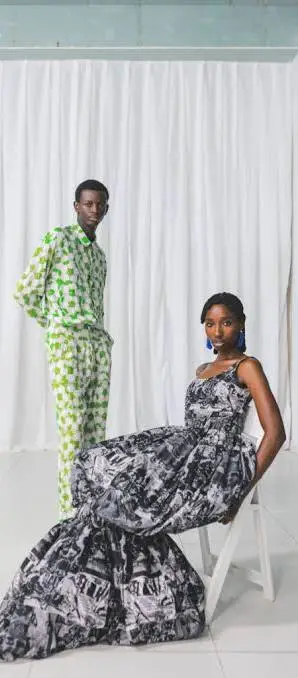
Few designers have done more to redefine Ankara’s place in contemporary fashion than Lisa Folawiyo, whose signature use of intricate beadwork, rich embellishments and modern tailoring has transformed the fabric into a symbol of luxury.
Her designs reinterpret familiar prints with a refined sensibility, creating sophisticated pieces that balance African craftsmanship with modern elegance. What began as an exploration of textile possibilities has evolved into an internationally recognised brand, helping position Nigerian fashion within global conversations on contemporary luxury.
9. Orange Culture: Challenging fashion’s boundaries
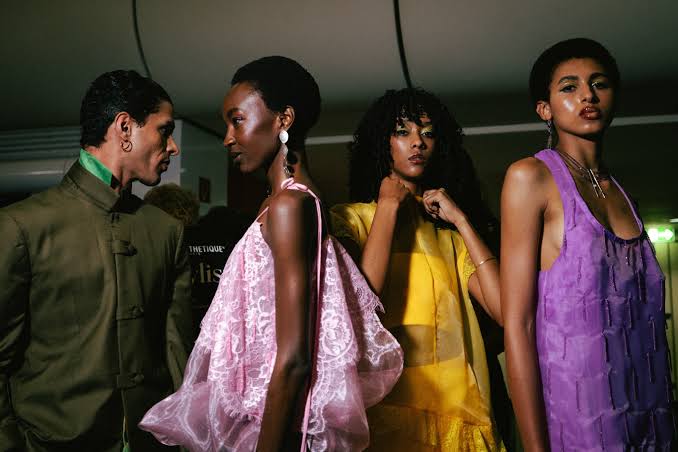
Fashion became a platform for questioning norms in the hands of Adebayo Oke-Lawal, whose label, Orange Culture, explores identity, masculinity and self-expression through bold colours, fluid silhouettes and gender-inclusive designs.
The brand has carved out a distinctive space by challenging traditional expectations of menswear while celebrating individuality and freedom of expression. Its growing international presence has cemented Orange Culture’s reputation as one of Nigeria’s most influential contemporary fashion brands.
10. Maki Oh: Fashion rooted in storytelling.
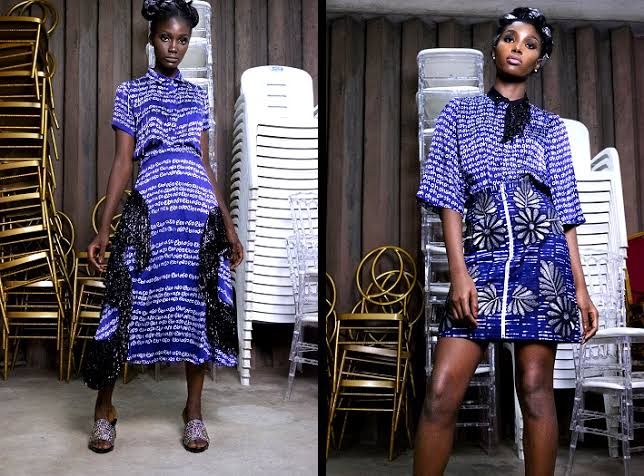
Storytelling sits at the heart of Maki Oh, where Nigerian culture, traditional adire techniques and artisanal craftsmanship are woven into collections that explore themes of femininity, identity, memory and African experiences.
Blending heritage with experimentation, the label gives traditional textiles a fresh contemporary expression while remaining deeply connected to their cultural roots. Its international acclaim reflects a growing appreciation for fashion that is not only visually compelling but also rich in meaning, narrative and cultural depth.