 Get Guardian on Google
The Oyo State Government is developing a comprehensive Child Safeguarding Policy with support from the United Nations Children’s Fund (UNICEF) as part of efforts to strengthen child protection, improve institutional accountability and address the growing vulnerabilities confronting children across the state.
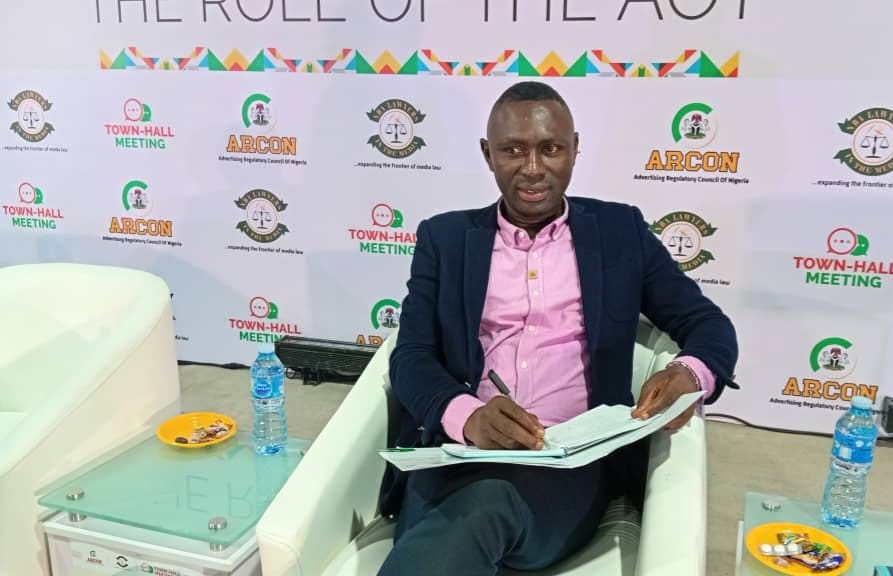
The Director of Community Development in the Ministry of Women Affairs and Social Inclusion and Chairman of the Child Safeguarding Policy Formulation Committee, Mr. Gbemileke Ojerinde, disclosed this at the third edition of the Oyo State Child Safeguarding Summit held at the Ibadan Civic Centre, Idi-Ape, Agodi, Ibadan.
Presenting the Oyo State Child Safeguarding Progress Report 2024–2026: Achievements, Gaps and Priorities, Ojerinde said the establishment of the state’s Child Safeguarding Technical Working Committee in 2025 was a major milestone in strengthening institutional coordination and accountability.
He explained that the committee, initially inaugurated as an 11-member body, had been expanded to 15 members to provide technical guidance, facilitate stakeholder engagement and advance the state’s child protection agenda.
According to him, the proposed policy will provide a comprehensive framework for safeguarding responsibilities, prevention, reporting, referrals, institutional compliance and accountability across the state.
He, however, identified gaps in completing the policy development process, strengthening case management and referral mechanisms, improving data collection, building the capacity of frontline professionals and securing adequate funding for child protection programmes.
Ojerinde advocated the implementation of the Oyo State Child Safeguarding Accountability and Action Programme (OSAAP) to sustain policy development, institutional strengthening, public awareness, capacity building, compliance monitoring and stakeholder accountability.
In her keynote address, the Commissioner for Women Affairs and Social Inclusion, Alhaja Faosat Joke Sanni, called for a comprehensive, inclusive and coordinated child protection system to address the vulnerabilities confronting children.
Sanni, who described children as valuable assets of society, expressed concern over cases of physical and sexual abuse, neglect, trafficking, child labour, exploitation, bullying and other forms of violence.
She said the development of the state policy was an important step towards preventing abuse, identifying risks, improving reporting mechanisms and strengthening institutional accountability.
The commissioner, however, stressed that a policy that was not implemented could not adequately protect a child, just as an unenforced law could not effectively deter offenders.
She urged stakeholders to ensure that the policy was practical, implementable and adequately funded, with clearly defined responsibilities for every institution.
Sanni also called for stronger implementation of existing child protection laws and guidelines, particularly the Child Rights Law and the Oyo State Alternative Care Guidelines.
She emphasised the need for functional reporting channels, timely case management, proper documentation, professional investigations, appropriate referrals, psychosocial support and continuous follow-up whenever a child experienced abuse.
According to her, effective child protection requires collaboration among the Ministries of Women Affairs, Education, Health and Justice, the police, security agencies, social workers, healthcare professionals, schools and civil society organisations.
She also advocated family-based care arrangements, including kinship care, foster care, guardianship, adoption and reintegration, rather than making institutional care the automatic option for children experiencing family difficulties.
The commissioner urged schools and communities to become frontline safeguarding environments, stressing that children should be able to learn without fear of abuse, bullying, exploitation or intimidation.
She also called for children’s voices to be included in decisions affecting their welfare, insisting that they should not merely be beneficiaries of safeguarding interventions but active participants whose concerns must be taken seriously.
Earlier, the Head of the Department of Infectious Diseases at the University College Hospital, Ibadan, Dr. Kemi Adekanmbi, called for urgent investment in Nigeria’s healthcare delivery system, warning that weak primary healthcare facilities, poor immunisation coverage and inadequate emergency response mechanisms continued to expose children to preventable illnesses and deaths.
Adekanmbi, who delivered the other keynote address, said child safeguarding should go beyond preventing physical abuse, neglect and exploitation to include protecting children against infectious diseases.
Citing the 2024 Nigeria Demographic and Health Survey, she said only 39 per cent of children aged 12 to 23 months had received all basic vaccinations, while 31 per cent had received none.
She clarified that the figures were national statistics and not specific to Oyo State, but said they demonstrated the scale of the country’s child health challenge.
The infectious disease specialist identified malaria and diarrhoeal diseases as leading causes of death among children aged one month to five years, followed by pneumonia and meningitis.
She attributed poor immunisation coverage not only to parental negligence but also to structural challenges, including poverty, transportation costs, misinformation, inadequate healthcare personnel and interrupted vaccine supplies.
Adekanmbi urged the government to strengthen primary healthcare facilities, ensure consistent vaccine supplies, improve emergency referral systems and make essential medicines, diagnostic equipment and trained personnel available.
She also advocated universal healthcare coverage for children, stressing that improved hospital infrastructure would mean little if vulnerable families could not afford medical services.
In a goodwill message, the Director-General of the Development Agenda for Western Nigeria (DAWN) Commission, Dr. Seye Oyeleye, commended the state government and organisers for sustaining the summit.
Oyeleye said the summit’s theme: “From Commitment to Accountability: Measuring Progress, Strengthening Systems, Securing the Future,” marked an important shift towards assessing the actual results of child protection interventions.
He said the Oriire school kidnapping incident earlier in the year had tested the state’s commitment to safeguarding children, adding that the safe rescue of the abducted pupils and their teachers demonstrated the importance of protecting vulnerable members of society.
He, however, stressed that stakeholders must establish what had changed, how progress could be measured and who should be held accountable when safeguarding responsibilities were not fulfilled.
Also speaking, the Country Safeguarding and PSHEA Manager of Plan International, Lisa Daspan, described child safeguarding as a moral and legal responsibility.
She called for stronger preventive mechanisms, proper vetting of personnel responsible for child protection and capacity building to educate children on safeguarding.
In a goodwill message, the Commissioner for Health, Dr Oluwaserimi Ajetunmobi, represented by Mrs. Tululope Jimoh, said the ministry would support the safeguarding agenda by ensuring that frontline health workers could recognise signs of abuse, neglect, exploitation and violence and respond appropriately.
She said the ministry would also strengthen referral pathways to ensure that children identified at health facilities were promptly linked to medical care, psychosocial support, social welfare services and legal protection.
The representative of the state Commissioner of Police, SP Unom Patience, Officer-in-Charge of the Gender Unit, said child protection required deliberate action, institutional responsibility, effective collaboration and collective commitment beyond policies and public declarations.
Earlier, the Executive Director of Haven Initiative for Women and Children Development and Safety (HIWCDS), Mrs. Omotayo Adebayo, said the summit was established in November 2024 to provide a platform for stakeholders to address child protection challenges and strengthen safeguarding systems across Oyo State.
She expressed satisfaction with the progress recorded since the maiden edition, particularly the inauguration of the Child Safeguarding Technical Working Committee in 2025 and the ongoing development of the state policy with UNICEF’s support.
The summit, organised by HIWCDS in collaboration with the Ministry of Women Affairs and Social Inclusion to commemorate the 2026 World Children’s Day, was attended by government officials, development partners, civil society organisations and other child protection stakeholders.