
 Get Guardian on Google
Experts in fashion, trade law, enterprise and development have called for stronger business skills, easier access to finance and consistent trade rules to help young African fashion makers sell their products beyond their borders.
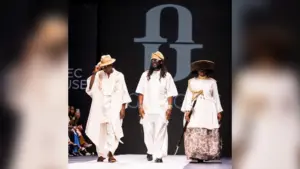
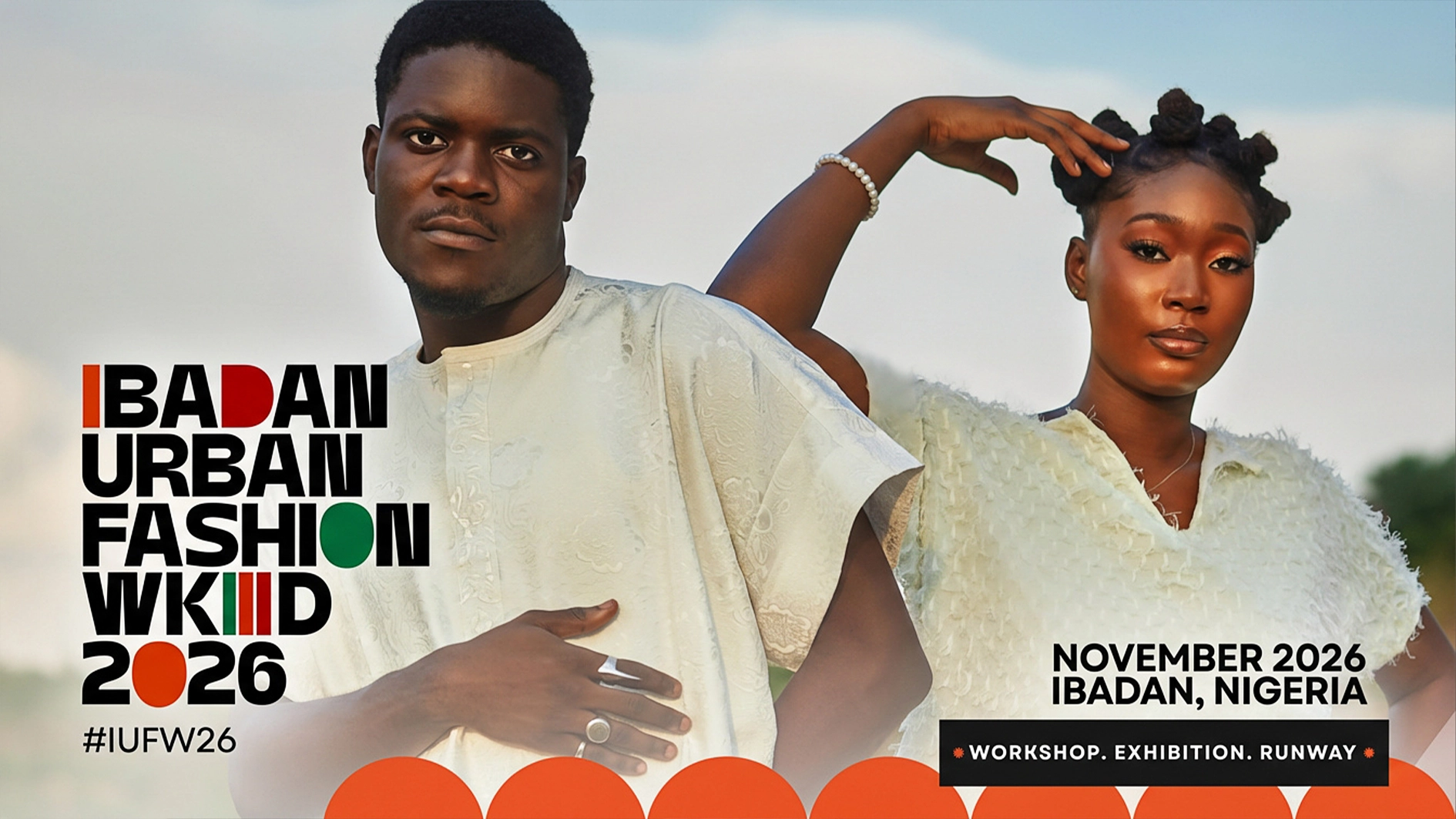
They made the call on Thursday, at a virtual event titled Made Local, Worn Global: Fashion as a Pathway to Trade, Enterprise and Youth Empowerment, organised by Ibadan Urban Fashion Week (IUFW) and co-hosted by Temvert Empowerment Foundation. The session was moderated by Ms. Dolapo Badru and hosted by the founder of IUFW, Mr. Olasoji Awofesobi.
Speaking at the event, the Founder of Green Fashion Week and Chief Executive Officer of Green Showcase Concept, Mr. Mikel Guido Dolci, urged young designers to go to market before they feel fully ready, saying feedback from real buyers shows what needs to be fixed.
He said platforms such as Instagram and TikTok now give young designers low cost visibility and equal access to international audiences, even though global competition is strong.
According to him, artificial intelligence can also help a solo entrepreneur handle tasks that would otherwise need several staff. He urged African brands to build on creativity, tradition, identity and sustainability, in the way Italy became known for Made in Italy quality.
The Founder and Executive Director of Temvert Empowerment Foundation, Mr. Temitayo Olatunde, said fashion enterprise could reduce youth unemployment and poverty.
Olatunde gave the example of a young graduate who cannot find a job, learns tailoring, buys a machine and then employs others.
He said civil society has a role in bringing people and experts together and in carrying the voices of grassroots makers into global trade spaces such as the World Trade Organization, the World Bank and International Monetary Fund meetings and the United Nations, where many of the people affected by decisions are absent. He added that businesses can provide finance so that makers can produce before payment arrives, while policymakers can set friendly, simpler rules and offer training on how to reach markets abroad.
He also noted that Nigerians living in the United Kingdom want Nigerian made clothing, describing this as a potential market on its own.
The Chief Executive Officer of Datina Designs Fashion House and Fashion School, Dr. Tinu Smith, said creative talent alone could not sustain a fashion business. She said many young designers lacked financial literacy, product development, pricing, marketing and business management skills, noting that skills, funding and market access all matter but that the ability to run a business well is what makes a fashion enterprise last. Drawing on her experience running a fashion school and a cooperative for women, she said training builds capacity, while cooperatives allow trained women and young people to pool resources, gain economic strength and earn a steady income.
An international economic and trade law expert, Dr. Zakariya Nahoué, said the African Continental Free Trade Area (AfCFTA) was designed to give African entrepreneurs, including young fashion makers, access to a market of about one billion people. He urged designers to understand rules of origin and to obtain certificates of origin for products made with local fabrics, so that their goods can move across borders more easily and qualify under the agreement.
Dr. Nahoué also drew attention to the AfCFTA Protocol on Women and Youth in Trade, which he said provides legal tools for women and young people to access finance, take part in the implementation of the agreement, and receive capacity building and trade information from their governments.
He called on young entrepreneurs to think nationally first, then regionally, for example within the Economic Community of West African States (ECOWAS), and then continentally, before going global. He added that Africa could learn from the European single market by applying trade laws consistently across countries, enforcing rules without obstacles at borders, and supporting small businesses through subsidies or low interest loans.
On his part, the Founder of Ibadan Urban Fashion Week, Olasoji Awofesobi, said the virtual event was organised to give young people a clearer understanding of the fashion business and how the market works.
Awofesobi noted that many youths love fashion and creativity but lack insight into the trade and enterprise side that turns talent into a sustainable livelihood. According to him, the session also created space for participants to connect with industry professionals, creatives, entrepreneurs and like-minded peers they would not ordinarily meet, which can open doors to mentorship, collaboration and opportunity.
He added that the virtual event served as a lead-in to the Made-in-Ibadan documentary, which celebrates the creativity and pride of the Brown Roof City and shows that fashion made locally can be worn globally.
The panelists agreed that young fashion makers should start by selling locally, grow step by step, build original brands, and join conversations that connect them with mentors and professionals in fashion and trade.