GDN SIDEBAR
Weak monitoring and enforcement of standards in private health facilities, including inadequate verification of practitioners’ qualifications and supervision of clinics allowed to reopen after anti-quackery operations, are exposing patients to the dangers of medical malpractice. Despite government crackdowns on unregulated facilities, MOYOSORE SALAMI examines inspection procedures, medical supervision and post-reopening monitoring.
Abiodun Rachel, an 82-year-old retired teacher, was accustomed to sitting outside her home in Gbekuba, Apata, Ibadan,enjoying the fresh air and exchanging greetings with neighbours. But on Saturday, September 12, something different happened.
As she sat outside, her daughter, Lola Abiodun, noticed that her mother’s usually loud voice had become unusually faint.
Rachel had answered a telephone call from her son, who also noticed the change and asked why she sounded weak. When Lola asked what was wrong, her mother said she did not know.
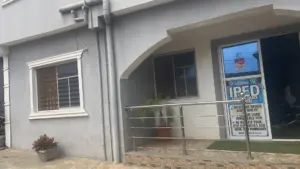
Moments later, Rachel could no longer stand. Lola hurriedly closed her shop and, with the help of relatives, supported her mother into the compound. Unsure what had happened, they contacted Olawale Osho Olusola, proprietor of Iped Amazing Grace Medical Clinic, where Rachel had previously received treatment for keloids.
“He said he was not around, but that he would get to the hospital in 30 minutes and that we should bring her,” Lola recalled.
Although Rachel managed to walk from her room to the car, her condition had deteriorated by the time they arrived. She could no longer use her left hand and leg properly.
Osho arrived as the family helped her out of the car and asked whether they wanted her admitted. They agreed, and he said tests would be conducted, including checks for malaria, typhoid and blood sugar.
It was Rachel’s first hospital admission. Before then, her visits to Iped had been for keloid treatment. According to Lola, her mother had declined surgery because of her age.
The family expected the admission to establish what had happened to her. Instead, the days that followed raised questions about the treatment she received and the decision to keep her at the facility.
Whenever they asked about Rachel’s medication or sought explanations about her condition, Lola alleged, the matron responded rudely and told them that only the doctor could answer their questions.
Osho was also not consistently available at the facility. Lola recalled that he had told the family he would not arrive early on Sunday because he was a pastor and owned a church. He eventually arrived later in the day.
On Saturday night, Osho had instructed Lola to prepare pap for Rachel, with honey or milk if she wanted. Lola said her mother drank pap that night and again on Sunday. Earlier, Rachel had eaten amala and vomited.
On Sunday, she complained of hunger, prompting Lola to ask the matron whether she could eat. The matron consulted Osho and later returned with his approval. Lola said her mother ate a substantial quantity of porridge before falling asleep.
The family initially did not realise Rachel had lost consciousness. Lola recalled that when Osho arrived and repeatedly called her mother’s name without getting a response, relatives began screaming. Water was brought and oxygen administered before Rachel regained consciousness.
According to Lola, Osho told them they should thank God because Rachel had nearly gone into a coma.
By Monday morning, Rachel could still speak, although her voice was weak. She asked Lola to bring her Bible and glasses from home, later reading from the Bible and speaking with relatives. She also complained about noise from a neighbouring church, where an anniversary celebration had reportedly kept her awake the previous day.
Lola said Osho subsequently told the family that he had treated Rachel for malaria and typhoid and that she could return home to recuperate. He also recommended physiotherapy for her weakened limbs and offered to help them find a therapist.
But the family was unconvinced she was well enough to leave. Lola said her mother had become markedly weaker, could barely raise her arms or legs, and had deteriorating speech.
Although one of her sons repeatedly urged the family to take Rachel elsewhere, Lola said Osho maintained that he could treat her because she was a customer.
The family eventually requested a referral to a specialist hospital in Bodija, Ibadan. Osho wrote the referral letter, and relatives struggled to move Rachel into the car because, according to Lola, her body had become stiff and weak. She sat beside her mother during the journey, holding her head.
At the specialist hospital, doctors asked about Rachel’s condition and the treatment she had received. Lola said they also asked whether her mother had eaten solid food and vomited. When she answered yes, a doctor raised the possibility that food might have entered her lungs, a condition the family understood to be aspiration.
She recalled that the specialist also questioned the earlier treatment for malaria and typhoid and discussed the need for antibiotics. Lola could not remember the precise medical terminology or the full explanation.
Rachel was subsequently referred to the intensive care unit at Frontida Clinic in Ibadan, where she died on September 19, 2026.
Femi Abiodun, one of Rachel’s sons, said he was not living with his mother and had to visit after hearing about her illness. He recalled being told that tests would be conducted and the results made available the following morning.
According to him, Osho later said Rachel had malaria and typhoid, as well as signs of a stroke because her movement, particularly in one leg, had deteriorated.
Femi said the family struggled to obtain information about the medication being administered but initially accepted the clinic’s explanations, believing its staff knew what they were doing.
He said their concern increased when Osho suggested that Rachel return home to recuperate and receive physiotherapy, as they believed she was still too weak to leave.
The family eventually requested a referral. Femi said they received a referral letter and hospital card from Iped but did not obtain complete medical records or prescriptions detailing the treatment administered.
Medical Records Reveal Stroke, Suspected Aspiration Complications
MEDICAL records obtained by The Guardian showed that Rachel was admitted to BODMED Clinic and Neurological Centre on September 14, 2026, at 3.09pm, following sudden weakness on the left side of her body, headache and vomiting.
A clinical summary described her as a known hypertensive patient and documented features of aspiration pneumonia complicated by severe sepsis. It also recorded features of acute kidney injury.
Consultant neurologist at BODMED, Dr Olabode Olajide, said Rachel’s symptoms had started two days before she was brought to the facility. The family also said she had been taken to another private hospital, where they were told her blood pressure was elevated. Olajide said he did not have complete details of the treatment administered there.
On examination, Rachel was drowsy but responded to verbal greetings and commands. Her eyes were deviated towards the right, and she had limb weakness, particularly on the left side. She was also breathing rapidly, with abnormal sounds detected in her chest.
The medical team assessed her as having a right hemispheric stroke, with hypertension identified as a risk factor. They also suspected aspiration pneumonia because of the chest findings.
A cranial CT scan conducted on September 14 at Total Healthcare Diagnostics identified a region of hypodensity in the left cerebellar hemisphere, suggestive of a subacute infarct, and a lacunar infarct in the right head of the caudate.
The report also documented calcifications in parts of the brain but found no evidence of haemorrhage or a mass lesion.
Olajide said the scan showed evidence of old and new strokes, while blood investigations indicated an infection suspected to have originated from the chest.
He explained that stroke can affect a patient’s ability to swallow, causing food or liquid to enter the respiratory tract instead of the stomach and potentially leading to aspiration pneumonia.
“What had happened is that probably the patient was not swallowing well. And then the patient aspirated. Maybe the patient was fed, probably because of the stroke and all that, she had difficulty in swallowing. And that can make the food go to the wrong place. And that will cause infection,” he said.
The clinical summary also recorded that Rachel continued to have low oxygen saturation despite receiving high-dose oxygen, with readings between 81 and 90 per cent.
According to Olajide, the team commenced stroke care, including oxygen, antiplatelet medication, antibiotics and intravenous fluids. However, when she did not improve as expected, BODMED referred her to the intensive care unit at Frontida Clinic for further management.
Olajide said aspiration pneumonia could become fatal, particularly when it complicates an existing stroke.
“Aspiration can kill the patient very soon. The stroke is there. And then complications of stroke can be difficult to swallow. That can cause aspiration. That can lead to death,” he said.
A death certificate issued by Frontida Clinic recorded that Rachel died at 3.50pm on September 19, 2026. It listed aspiration pneumonitis complicated by severe sepsis on a background of chronic hypertension as the primary cause of death, with cardiopulmonary arrest as the secondary cause.
A consultant neurologist, Dr Temitope Farombi, warned that Nigeria’s fragmented healthcare system, weak regulatory enforcement and widespread quackery were putting patients at risk.
She said poor coordination among healthcare facilities compromised continuity of care, noting that critical patient information was often not properly transferred as people moved from one level of healthcare to another.
Farombi said the resulting gaps made it difficult to ensure coordinated treatment from the point of first contact through specialist care.
She also identified weak enforcement of healthcare regulations as a major factor allowing unprofessional practices to persist. According to her, the problem was not necessarily the absence of regulations but the failure to consistently monitor compliance and impose appropriate sanctions.
Stroke is a significant public health concern in Nigeria. World Health Organisation estimates for 2023 put the country’s stroke mortality rate at 40 deaths per 100,000 people, with estimated rates of 41.7 among women and 38.5 among men. The WHO cautions that the figures are modelled estimates because Nigeria’s death-registration data are incomplete or unsuitable for some mortality analyses.
A consultant neurologist, Dr Temitope Farombi, warned that Nigeria’s fragmented healthcare system, weak regulatory enforcement and widespread quackery were putting patients at risk.
Farombi said the challenges confronting the country’s healthcare system goes beyond inadequate facilities and personnel, stressing that poor coordination among healthcare facilities has compromised the continuity and effectiveness of treatment.
She noted that critical information about patients was often not properly transferred as they moved from one level of care to another.
According to her, the situation had created gaps in the healthcare chain, making it difficult to ensure that patients received coordinated treatment from the point of first contact through specialist care. She maintained that stronger coordination between different levels of healthcare was essential to preventing patients from falling through the cracks of the system.

Farombi further identified weak enforcement of healthcare regulations as a major factor allowing unprofessional practices to persist. She said the problem was not necessarily the absence of regulations but the failure to consistently monitor compliance and impose appropriate sanctions where necessary.
Stroke is a significant public health concern in Nigeria. The World Health Organisation’s 2023 estimates put the country’s stroke mortality rate at 40 deaths per 100,000 people. The estimated rate was 41.7 per 100,000 among women and 38.5 among men. The WHO cautions that these figures are modelled estimates because Nigeria’s death-registration data are incomplete or unsuitable for some mortality analyses.
How Did Iped Return After Being Sealed?
IPED Amazing Grace Clinic was among six health facilities sealed by the Oyo State government in February 2024 during an enforcement exercise against regulatory violations.
However, the circumstances surrounding its return to operation raise questions about the checks carried out by the state before allowing previously sealed facilities to resume work.
Olawale Osho, who identified himself as a community health officer and owner of the facility, said Iped was not closed for medical quackery but because it had not been registered with the Ministry of Health. He said the facility was subsequently registered and allowed to reopen.
A licence obtained from Osho and issued by the Oyo State Ministry of Health on March 3, 2026, provides documentary evidence of the registration. Bearing registration number MHC/OY 142, the document names Osho as the person authorised to establish or manage Iped Amazing Grace Clinic at Araromi, Ibadan. It cites the Private Ordinance, 1948, and the Oyo State Registration of Private Hospitals and Other Health Institution Edict, 1988, as its legal basis.
The licence was valid until December 31, 2026. Osho said it was issued after the facility’s closure and would require annual renewal. However, a search of the Nigeria Health Facility Registry (NHFR), the Federal Ministry of Health and Social Welfare’s national database of health facilities, returned no records for Iped Amazing Grace Medical Centre in Oyo State. The search, conducted on November 17, 2026, displayed the message, “There are no records to display.”
The finding raises questions about whether the facility’s state registration has been reflected in the national database. Its absence from the search results does not, however, establish that it was unlicensed, particularly given the state-issued licence obtained by The Guardian.
In response to questions about Rachel’s admission, Osho confirmed that she was brought to his clinic on September 12. He said he noticed she had suffered a stroke but that the facility also discovered malaria and typhoid, which were treated.
He maintained that Rachel responded well to treatment and was discharged. He said he intended to recommend a physiotherapist to help with her stroke-related condition and reiterated that she had previously received treatment at the clinic for keloids.
On his professional qualification, Osho said he was not a medical doctor but a community health officer. He identified Dr Adeoye Omoniyi as the medical doctor who registered the clinic. However, Osho said the doctor did not routinely visit the facility and that he managed its daily operations.
Ministry Explains Conditions For Reopening Sealed Facilities
THE Oyo State Ministry of Health said facilities sealed for regulatory violations could resume operations after correcting the offences for which they were penalised and obtaining the ministry’s approval.
Documents sighted by The Guardian list offences that could attract closure, including non-registration or failure to renew a facility’s registration, lack of qualified personnel, handling medical cases beyond a facility’s capacity, failure to comply with previous corrective directives, improper waste disposal and poor environmental hygiene.
A schedule, titled, Invoice for Violation from the ministry’s Anti-Quackery Taskforce, also lists the training or use of auxiliary nurses, removal of government seals and assault of visiting officials among the offences. It includes a reopening fee for sealed facilities.
The ministry’s Director of Planning, Research and Statistics, Babalola Damien, said inspections involved checking facility registration and the qualifications and professional licences of personnel. Officials, he said, examined the doctors and other health workers documented as working there to determine whether they possessed the required credentials.
Damien explained that a person did not necessarily have to be a medical doctor to own a health facility. Investors could establish facilities by employing qualified medical personnel, while nurses and community health officers could operate within their professional authorisation and applicable requirements.
“If they see a community health officer, they also can operate based on their standing order. The only thing that they need to do is that they will have a doctor who will be able to see their activities,” he said.
Asked specifically about Iped Amazing Grace Medical Clinic in Apata, Damien said he understood that it was initially shut down because it had not been registered. The ministry subsequently returned to complete its registration, after which it was allowed to resume operations.
The Guardian requested the clinic’s inspection and registration records, as well as documents detailing the checks conducted before it was allowed to reopen. However, the ministry did not provide the requested documents.
Enforcement Is Not The Same As Oversight
THE state’s repeated closure announcements suggest that its anti-quackery taskforce continues to identify facilities operating outside regulatory requirements. Yet public notices of sealed premises reveal little about what happens afterwards.
The case of Obeki Pharmacy in Monatan, Ibadan, illustrates the distinction between a facility’s stated purpose and the services it allegedly provides. In November 2024, the pharmacy was reportedly closed after authorities raised concerns that it had admitted patients and carried out surgical procedures beyond the scope of a pharmacy. The allegations were reported during an enforcement operation and should not be treated as a judicial finding.
In another case, police arrested Adeniyi Benjamin, 45, at Life Is Good Hospital in the Olodo area of Ibadan on October 2, 2026, following intelligence reports about his activities. Police alleged that he attended to patients, including people seeking fertility-related care, despite lacking the qualifications and licence required to practise as a medical doctor.
Items reportedly recovered from the facility included a stethoscope, medicines, specimen bottles and weighing scales.
Benjamin was described in reports as an auxiliary nurse. Police said he admitted practising since 2022 without the qualifications or training required to work as a doctor. The investigation was ongoing at the time of this report, and the allegations had not been determined by a court.
These cases do not prove that every private facility in Oyo State is unsafe. However, they underline why enforcement must go beyond sealing premises and issuing public warnings.
Regulators need to establish that facilities are registered, their professionals hold valid licences, their services fall within approved scopes and previous breaches have been corrected before operations resume.
For Iped, the ministry’s explanation that it returned to register the facility does not answer all the questions raised by its earlier closure. The March 2026 licence identifies Osho as the person authorised to establish or manage the clinic, while the ministry says a facility managed by a non-medical doctor should have a qualified doctor overseeing its activities.
Osho’s statement that Dr Adeoye Omoniyi registered the clinic but does not routinely visit makes it important to establish the doctor’s formal responsibilities and whether the required supervision was provided.
The ministry did not provide the records needed to establish who was responsible for clinical operations when Rachel was admitted, which professionals were on duty or whether the facility’s staffing and services met the conditions for its approval.
Those are not minor administrative details. They are safeguards intended to protect people who arrive at a clinic when they are ill, frightened or unable to judge the quality of the care being offered.
The Danger Of Treatment Beyond Professional Competence
A senior medical officer, Dr Victoria Udofia, said treatment by unqualified practitioners could expose patients to delayed diagnosis, inappropriate medication and preventable complications.
She explained that conditions such as ectopic pregnancy, sepsis and stroke require timely assessment and appropriate medical intervention. Delays or incorrect treatment could worsen patients’ conditions and reduce their chances of receiving effective care.
Udofia warned that painkillers could mask symptoms, while combining herbal remedies with orthodox medicines could result in harmful interactions. Incorrect drug dosages could also cause acute kidney injury, toxic hepatitis and other forms of organ damage.
She said unsafe surgical procedures could damage organs and blood vessels, causing severe bleeding and other complications. Practitioners without the necessary training might also lack the skills to respond to emergencies requiring advanced cardiac life support, intubation or defibrillation.
According to her, healthcare professionals are regulated by different statutory bodies. Doctors are regulated by the Medical and Dental Council of Nigeria, while nurses are regulated by the Nursing and Midwifery Council of Nigeria.
Practitioners are expected to work within their professional scope, obtain informed consent, protect patient confidentiality and follow evidence-based clinical guidelines.
Udofia identified vague professional credentials, complex procedures performed by unqualified people, reliance on unproven treatment methods, resistance to patients’ questions and failure to refer cases beyond a practitioner’s competence as warning signs.
She said regulators should verify facility registration, professional licences, staff qualifications and competence before granting or renewing approval. They should also ensure that a qualified person is responsible for clinical operations, medical records are properly maintained, and equipment and medicines meet required standards.