 Get Guardian on Google
African quantity surveyors have been urged to take a more prominent role in infrastructure financing and investment decisions across the continent to ensure that projects deliver value for money and respond to Africa’s development needs.
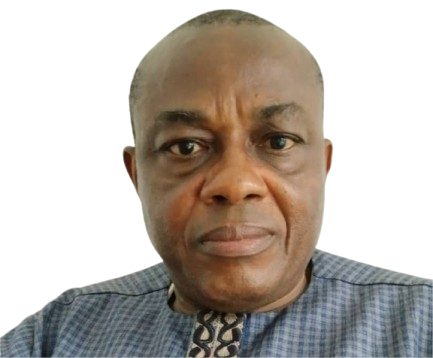
The call was made by a founding member and past president of the African Association of Quantity Surveyors (AAQS), Olusegun Ajanlekoko, at the association’s General Assembly hosted by the Zambia Institute of Quantity Surveyors (ZIQS) in Lusaka.
The General Assembly provided a platform for African quantity surveying professionals to consider the future direction of the association and how the discipline could become more influential in shaping the continent’s infrastructure agenda.
In his address titled The Task Ahead, Ajanlekoko challenged professionals across Africa to move beyond their traditional responsibilities of preparing bills of quantities, estimating construction costs and managing contracts to become active participants in the planning, financing and delivery of major infrastructure projects.
He argued that the profession must position itself strategically within continental and international development institutions, particularly as African countries seek funding for roads, housing, energy, transport, water and other critical infrastructure.
Ajanlekoko outlined four priority areas that should guide the association’s engagement and strengthen the contribution of quantity surveyors to Africa’s infrastructure development.
First, he called on the AAQS to pursue observer status with the African Union (AU), describing continental representation as an important step towards ensuring that the profession has a voice in policy discussions and decisions affecting infrastructure investment and development.
According to him, gaining a seat at the continental table would enable African quantity surveyors to contribute their technical expertise to discussions on infrastructure priorities, investment frameworks and development strategies.
He also advocated formal partnerships between the AAQS and development finance institutions (DFIs), noting that such relationships would create opportunities for quantity surveyors to participate in projects financed by these organisations.
The engagement, he suggested, should go beyond professional networking to establish practical frameworks through which African quantity surveyors could provide cost advice, project evaluation, procurement support and financial oversight on infrastructure investments.
On emerging professional opportunities, Ajanlekoko urged the association to build capacity in areas such as public-private partnerships (PPPs), clean energy, carbon measurement and the financial implications of implementing climate commitments.
He noted that the changing nature of infrastructure investment, particularly the growing emphasis on sustainable development and climate-resilient projects, required quantity surveyors to acquire new competencies and adapt their services to emerging demands.
The fourth priority focused on strengthening professional practice through the development of shared African construction cost data and standard conditions of contract suited to the continent’s markets.
Ajanlekoko’s position reflects the need for more reliable construction cost information to guide project budgeting, investment decisions and procurement across African countries, where differences in market conditions, material prices, labour costs and contractual practices can affect project delivery.
A common framework for construction cost data, alongside contract standards that reflect African realities, could also improve transparency, consistency and accountability in infrastructure development.
He stressed that the central challenge was to ensure that quantity surveyors became involved at the earliest stages of infrastructure investment decisions rather than being brought in only after projects had been conceived and financing arrangements concluded.