 Get Guardian on Google
… Urges religious leaders to raise awareness, respond to GBV Cases
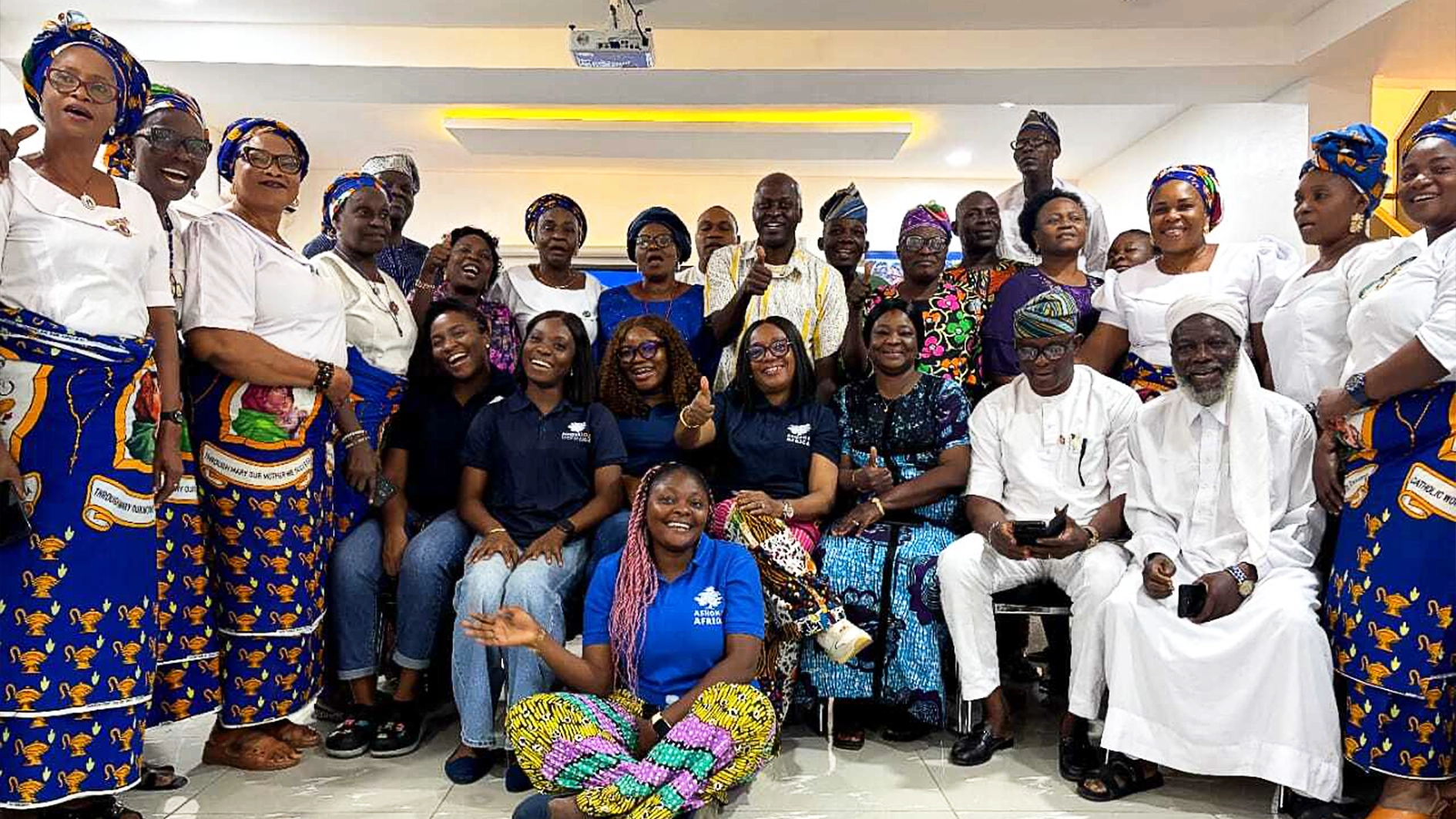
Ashoka West Africa, a non governmental organisations, has trained religious and community leaders on strategies to combat Gender-Based Violence (GBV), with the aim of bridging the gap between legal protections and grassroots efforts to prevent the menace at primary level.
At the training the leaders were equipped with the knowledge to educate their congregants and community members on the dangers GBV and create platforms where the they could have access to their counseling and responses to any cases in the communities.
The organisation said the training became imperative because traditional and religious leaders play key roles in addressing domestic violence, due to their influence in resolving family disputes, shaping societal values and promoting moral standards, noting that over 80 per cent of personal, marital and community disputes were referred to them for resolution.
Speaking on the theme, “Guardians of Faith and Heritage: Mobilizing Community Leadership for Primary GBV Prevention, in Abeokuta, Ogun State, the guest lecturer, Bar. Bunmi Ekundayo, said the training was designed to empower religious and community leaders to take proactive steps towards eradicating GBV within their churches, mosques and community gatherings.
Ekundayo, who emphasised the important roles of religious and community leaders in preventing GBV, responding effectively to reported cases and using their platforms and teachings to raise awareness about the menace, urged the to make their gatherings safe spaces for discussions on GBV.
“Today’s training was a faith based training for religious leaders to end GBV in their church or mosque and traditional gatherings. The lectures placed emphasis on religious and community leaders in how they can respond how to end GBV and how also they could make their teachings and platforms available for talking about GBV and how also they can counsel their congregation on how to prevent GBV in the community.” she said.
The regional director, Ashoka West Africa, Josephine Nzerem, said that the purpose of the training was to engage the traditional, religious and community leaders to their congregants the negative effects of GBV and create platform where they could have access to their counsel and response to any GBV cases in the community.
Nzerem, who said that the fight against GBV goes beyond supporting survivors to tackle the menace explained that engaging religious and community leaders was essential to establishing a sustainable prevention system and create a society where everyone abused person could speak out freely without fear of violence or intimidation.
She added that mothers also had a crucial role to play in promoting gender equality by raising both male and female children to respect one another and embrace shared responsibilities, rather than instilling a sense of superiority in one gender over the other, noting that such unequal upbringing often contributed to domestic violence.
“So how to prevent this GBV was to bring together the religious and community leaders because they are the people that have the power to work on that prevention system in the society because we want raise an equitable society where everyone can express themselves free without fear being violated or victimized.”
“We don’t want a society where one gender feels superior to others, so we are tackling all that and that is why we have the mother here because we know the mothers are nurturers, so how are we nurturing our children in the home both male and females to bring about that equity to make sure that everyone can do things together without any violent. She said.