
 Get Guardian on Google
President Bola Tinubu has asked the House of Representatives to approve the removal of 268 obsolete, spent or repealed federal enactments and the harmonisation of 664 others under a revised compilation of the Laws of the Federation of Nigeria (LFN 2025).
The proposed review followed an examination of 932 federal enactments and 731 subsidiary legislations, aimed at producing an updated and accessible collection of the country’s laws.
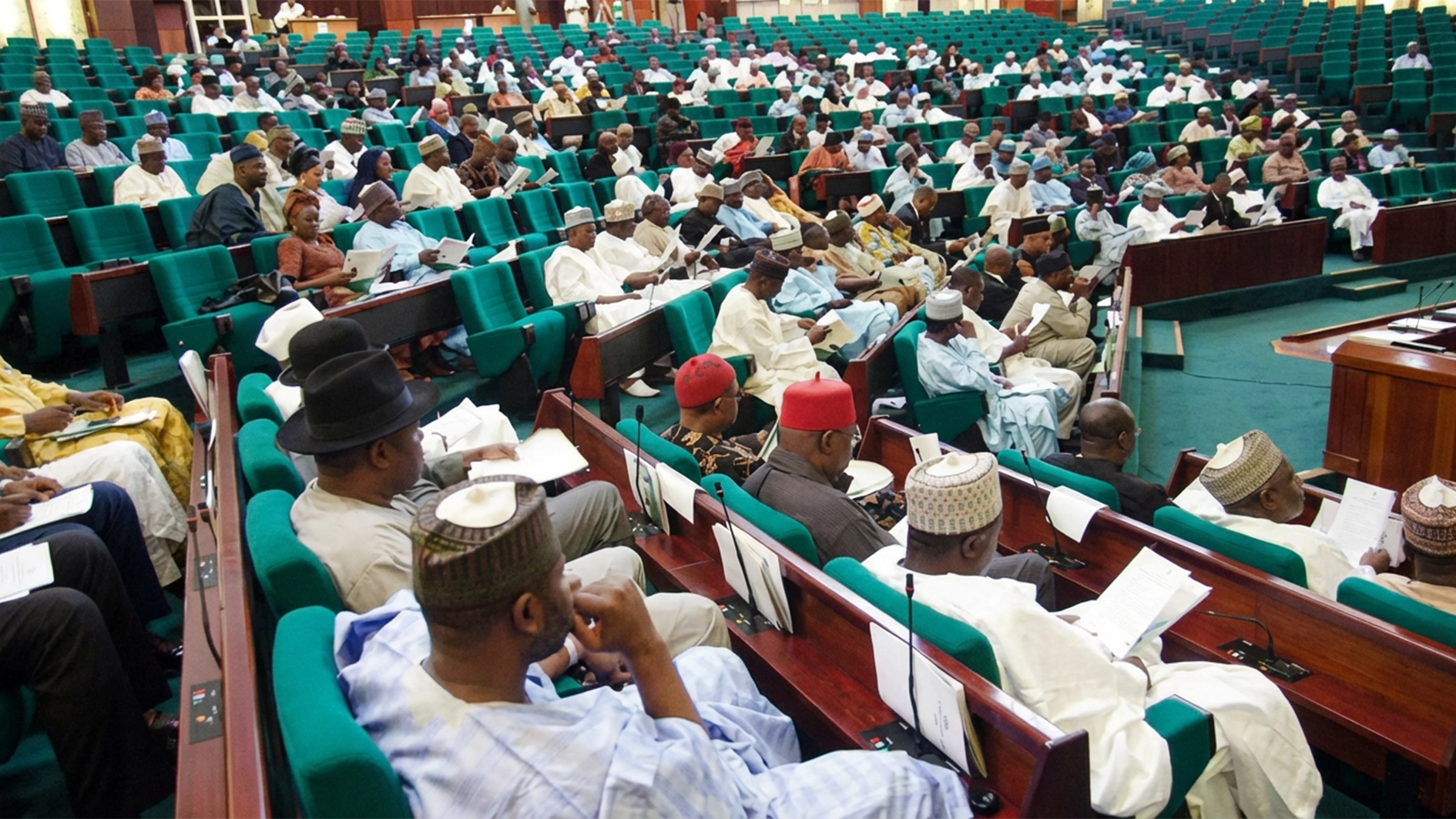
Speaker of the House of Representatives, Tajudeen Abbas, read the President’s letter, dated November 18, 2026, during plenary on Tuesday.
The request came after a technical committee, constituted under the supervision of the Attorney-General of the Federation and Minister of Justice, Lateef Fagbemi, completed the review and consolidation exercise.
Tinubu said the exercise became necessary because Nigeria had not undertaken an official consolidation of its federal laws since 2004.
He noted that the country had recorded significant legislative, constitutional, institutional and technological changes over the past two decades, resulting in new statutes, amendments to existing laws and a growing body of subsidiary legislation.
In the letter titled, ‘Transmission of the Revised and Consolidated Compendium of the Laws of the Federation of Nigeria (LFN 2025) for Consideration and Approval’, the President said the review would provide a coherent and reliable reference for the country’s legal system.
“Over the past twenty (20) years, Nigeria has witnessed profound legislative, constitutional, institutional, and technological transformations.
“These developments have necessitated the enactment of numerous new statutes, substantial amendments to existing laws, and a significant accumulation of subsidiary legislation, making the consolidation of an updated, coherent, and accessible body of Federal laws an urgent national imperative,” Tinubu stated.
The President disclosed that he established a specialised committee on October 24, 2024, to undertake a comprehensive review of federal laws, identify obsolete enactments and address inconsistencies and overlaps in existing statutes.
He said the committee also had the responsibility of producing an authoritative and modern edition of the Laws of the Federation.
According to him, the committee examined 932 federal enactments and 731 subsidiary legislations through extensive legal research, technical consultations, editorial scrutiny and quality assurance.
The process resulted in the validation of 664 principal enactments, alongside their relevant subsidiary legislation, for inclusion in the LFN 2025. It also identified 268 enactments for removal because they had become obsolete, spent or repealed.
Tinubu said the revised compendium would serve as an important legal resource for the judiciary, legal practitioners, government institutions, investors and the general public.
“An updated, accurate, and easily accessible compendium of Federal laws is indispensable to our democratic and economic growth,” he added.
Tinubu further described the exercise as a major deliverable of his administration’s Renewed Hope Agenda, particularly its commitment to justice sector reforms, strengthening the rule of law and establishing a legal framework that supports national development.
He urged members of the House to expedite consideration and approval of the revised laws, stressing their importance to governance and the administration of justice.
“This milestone represents a flagship deliverable of our administration’s Renewed Hope Agenda, particularly as it relates to reforming the justice sector, strengthening the rule of law, and establishing a responsive legal framework that supports sustainable national development,” he said.
The Attorney-General had earlier disclosed details of the exercise during a media briefing on November 12.
Fagbemi said the committee was chaired by Olawale Fapohunda (SAN) and began its assignment after its constitution on October 24, 2024.
He explained that the committee divided its work among 14 thematic working groups to review existing enactments, harmonise findings and address areas of inconsistency.
The exercise involved legal research, legislative analysis, technical coordination and editorial work, supported by retreats and consultations.
Development and technical partners also contributed to the process. They included the ROLAC Programme, the Law Commission of England and Wales, LexisNexis South Africa, the Lagos State Law Reform Commission and Law Pavilion.
Fagbemi had said the committee’s report would be presented to the President for onward transmission to the National Assembly for legislative consideration and approval.