
 Get Guardian on Google
Ignova Energies has advocated increased investment and a stronger private-sector role in accelerating Africa’s transition to cleaner energy, stressing the need for strategic partnerships, technological innovation and realistic financing frameworks to drive sustainable development across the continent.
The company’s chairman, Henry Ozonyia, made the call while representing Nigeria at the 31st United Nations Climate Change Conference Of Parties (COP31), held in Antalya, Turkey, where he participated in discussions on sustainable energy, climate action, investment opportunities and Africa’s economic development.
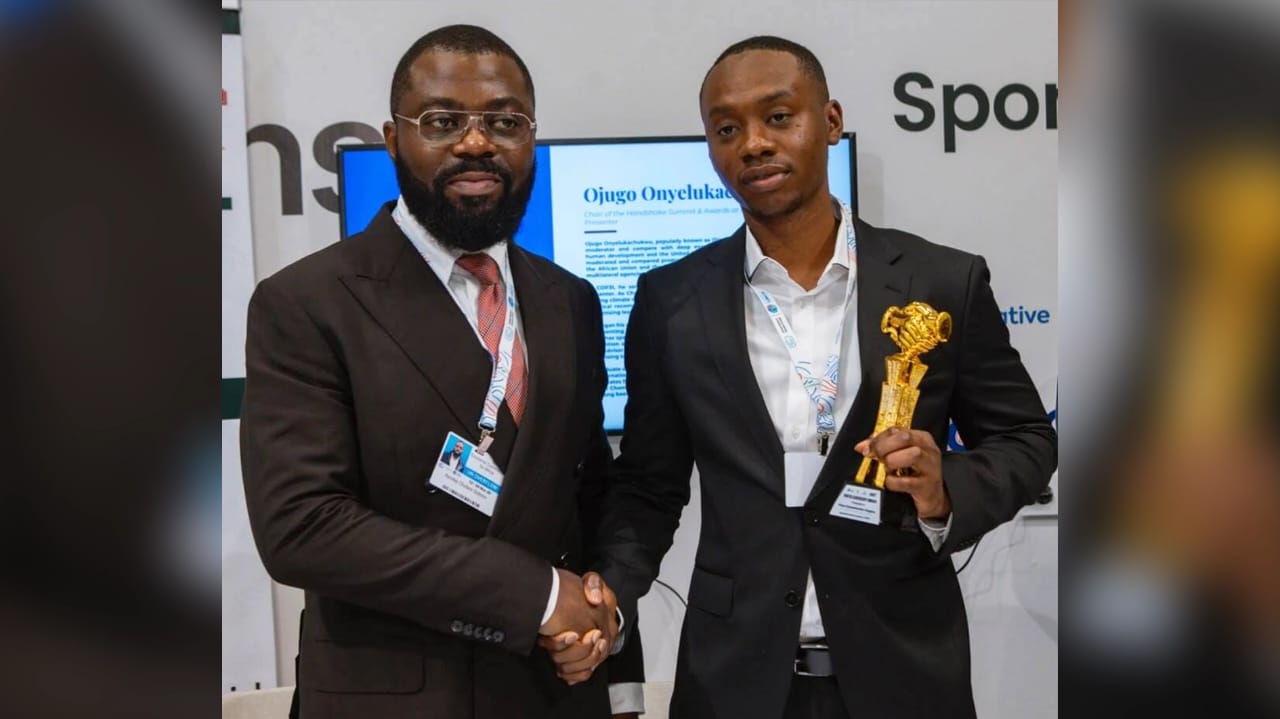
A major highlight of Ozonyia’s participation was his recognition at the Handshake Summit, organised on the sidelines of COP31, where he received an award for his contributions and commitment to sustainable development and leadership. The award was presented by the Managing Director and Chief Executive Officer of the Bank of Agriculture (BOA), Nigeria, Ayodeji Oludare Sotinrin.
Speaking on the significance of the conference, Ozonyia said Africa must move beyond making climate commitments to developing practical strategies capable of delivering measurable results, noting that the continent’s energy transition must be driven by realistic investment frameworks and partnerships that recognise its development priorities.
According to him, African countries must be adequately positioned to attract the investments and technical partnerships required to expand access to sustainable energy, strengthen local industries and create employment opportunities, particularly for young people.
He also emphasised the importance of stronger collaboration between governments, financial institutions and private enterprises, noting that the private sector had a critical role to play in translating global climate ambitions into practical economic outcomes.
At the conference, Ozonyia engaged government officials, business leaders, financial sector representatives, development institutions and other international stakeholders on positioning Africa’s private sector as a major driver of the global energy transition.
The discussions focused on the need for investments in sustainable energy infrastructure, innovative business solutions and climate-resilient economic activities, as well as the challenges confronting developing economies in implementing their climate commitments.
According to him, these challenges include mobilising adequate financing, strengthening institutional partnerships and ensuring that the transition to cleaner energy systems creates tangible economic opportunities for African countries.
For Ignova Energies, participation at COP31 provided an opportunity to strengthen its engagement with international conversations shaping the future of energy and sustainable development, while exploring areas of collaboration capable of supporting Nigeria’s economic and environmental priorities.