
 Get Guardian on Google
The use of multiple aircraft types is increasing airlines’ operating costs and limiting efficiency, the Head of Commercial, Umza Airlines, Adedeji Awotunde, has said.
Speaking with aviation correspondents in Lagos yesterday, Awotunde said the airline was adopting a fleet strategy centred on a limited number of aircraft types to control operating costs and ensure long-term sustainability in Nigeria’s challenging aviation environment.
According to him, operating different aircraft types increases maintenance, training and personnel costs, potentially undermining profitability in an industry already burdened by high operating expenses.
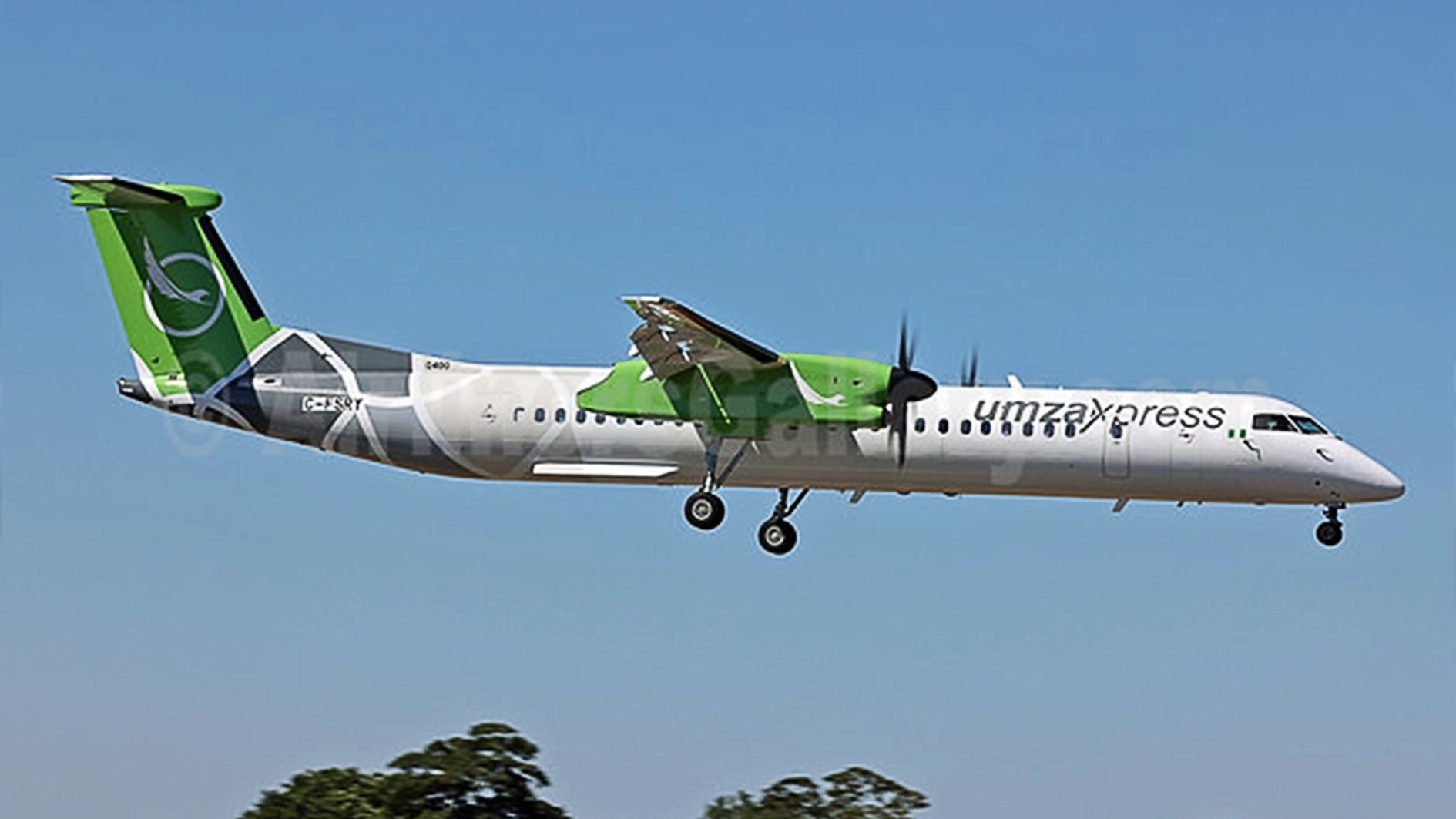
He emphasised that the airline was currently restricting its fleet development to Airbus aircraft, despite plans to introduce a Bombardier aircraft into its operations.
He said the decision was informed by the need to conserve resources and avoid the complexities associated with maintaining different aircraft types.
“Multi-aircraft type, sincerely, because of my weight of experience now with this aviation industry, I have worked directly with decision-makers when it comes to this and I see the challenges they go through when they want to switch aircraft type.
Awotunde advised Nigerian airlines to maintain uniform fleets where possible, adding that operators should limit their aircraft types to a maximum of two if business considerations make a single fleet impractical.
He also identified exchange rate stability as a major factor supporting the airline’s operations, particularly in aircraft maintenance, spare-parts procurement and other dollar-denominated obligations.
He said the relative stability of the dollar in recent months had helped the airline maintain its maintenance budgets and return aircraft to service without the financial shocks previously experienced by operators.
Awotunde said rising aviation fuel costs had also continued to put pressure on the airline’s operations, noting that fuel consumption accounted for a significant proportion of its revenue.
He appealed to the Federal Government to consider measures to ease the burden of aviation fuel prices, noting that the sustainability of domestic airlines was critical to national security and economic activities.
He said Umza was also working to improve operational reliability by maintaining one of its four aircraft as a standby plane to minimise disruptions caused by technical or operational challenges.
According to him, three aircraft are deployed at full operational capacity, while the fourth is reserved for lighter operations and backup duties.
The airline, he said, was also pursuing plans to establish cargo operations in 2027, expand its partnerships, join global distribution systems and eventually commence international operations to Europe and Asia within the next five to 10 years.
Awotunde added that Umza was seeking to build a sustainable business model capable of outliving the average lifespan of airlines in Nigeria, which he put at between eight and 10 years.