
 Get Guardian on Google
CAF accepts CAS’s decision, Morocco disagrees
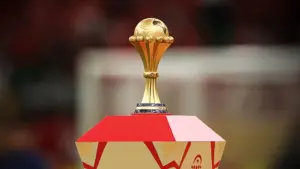
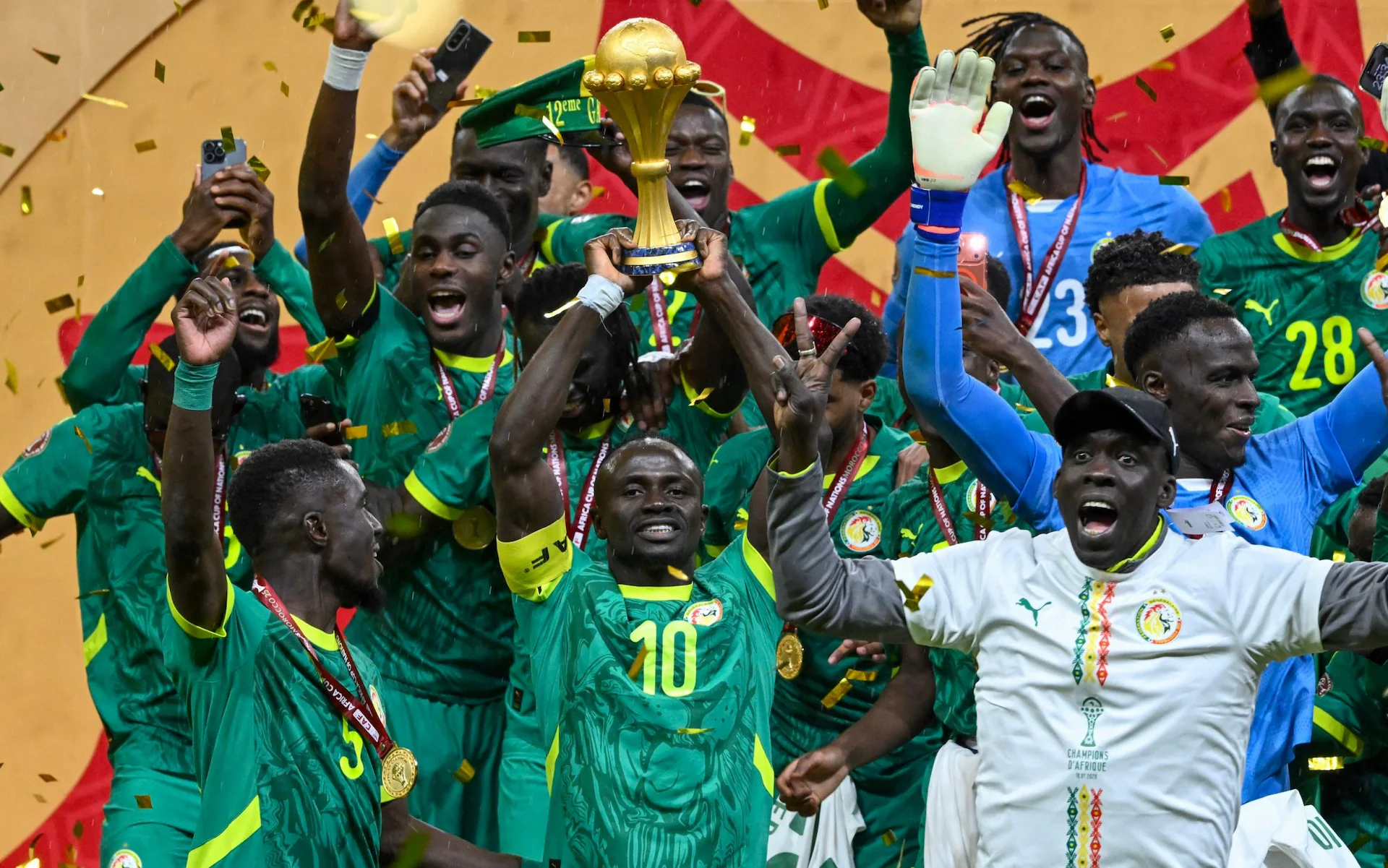
The Court of Arbitration for Sports (CAS), yesterday, adhered to the age-long rule that the referee’s decision is final in football to reinstate Senegal as the real winners of the 2025 Africa Cup of Nations.
Yesterday’s ruling rendered the Confederation of African Football (CAF) Appeal Panel’s decision to hand over the trophy to Morocco null and void.
Senegal won the Africa Cup of Nations on the field in a chaotic final in Morocco in January, and then lost it in a legal case in March because their players walked off the field in protest in second-half stoppage time.
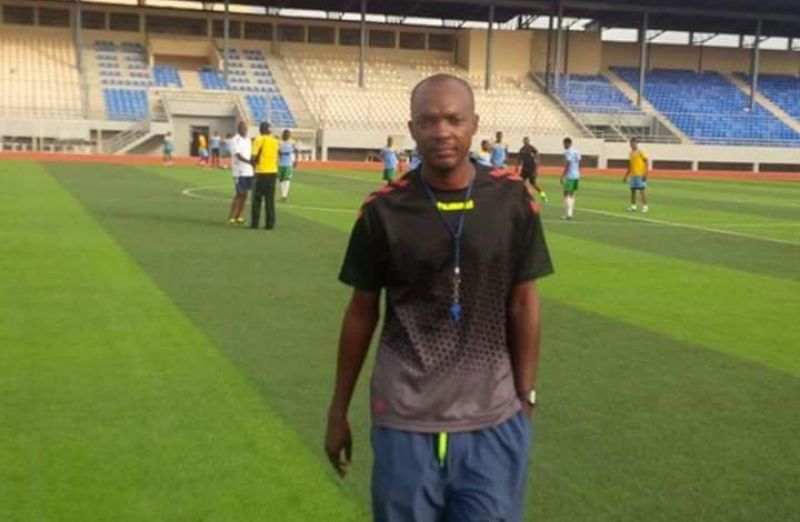
But in rejecting the CAF decision, CAS cited referee Jean-Jacques Ndala’s decision to let the game resume after the protest.
Tournament regulations said a team which refuses to play should be considered to have lost the game, but CAS said those rules were meant only for cases “when a team’s conduct leads the referee to call off the game permanently.”
Ndala “did not err in law” when he resumed the game, CAS added.
Senegal won the final 1-0 after extra time with chaos on the field and violent clashes in the stands. The result was overturned two months later as a 3-0 default win for Morocco by an appeals panel appointed by the Confederation of African Football (CAF).
The Teranga Lions beat the host nation Morocco, also known as the Atlas Lions, after a 15-minute delay in play. At 0-0, Senegal’s team walked off the field to protest Morocco being awarded a penalty kick in the last minute of regulation time.
Match referee Ndala of Congo eventually allowed the game to restart, Morocco’s penalty by Brahim Diaz was saved, and Senegal won in extra time.
The laws of football state that referee decisions are final.
In the first legal case in March, CAF appeal judges cited AFCON tournament regulations that if a team “refuses to play or leaves the ground before the regular end of the match without the authorisation of the referee, it shall be considered loser and shall be eliminated for good from the current competition.”
The CAS judges heard evidence at a one-day hearing last month and the court promised a verdict by the end of November with a full written ruling of its judges setting out reasons for their decision.
In their position, Senegal argued that the referee, Jean-Jacques Ngambo Ndala, decided to resume the match at 90+19’ and let it finish. That decision cannot be reviewed by a boardroom afterwards.
Morocco, on the other hand, averred that the referee’s decision didn’t cover the disciplinary consequences of Senegal walking off.
But CAS agreed with Senegal, saying: “The referee’s decision to resume the match or to stop it fell definitively within his sole authority. By blowing his whistle to restart play, the referee considered that the conditions for resuming the match had been met — both teams were on the pitch again, and both expressed their willingness to resume.
“In resuming the match, the referee did not err in law.”
Reacting to the decision, CAF, yesterday, said that it respects the CAS’ ruling, saying that its earlier decision to award the game to Morocco has been set aside.
But Morocco is adamant that they remain African champion, insisting that they will challenge the CAS ruling.
In an official statement, CAF said: “CAF respects the CAS Award and will take all the necessary measures to implement it.”
The Guardian, however, learnt that the Royal Moroccan Football Federation (FRMF) responded to yesterday’s verdict by questioning “the integrity and credibility of the arbitration process,” a complaint surrounding an alleged phone call involving Senegalese Football Federation (FSF) president Abdoulaye Fall and arbitrator Ulrich Haas.
CAS received a challenge against Haas by the FRMF within one hour prior to the decision being announced. This formally came several hours after media reports stated it had already been filed.
The Icas Challenge Commission reviewed the FRMF’s challenge but found there was not enough evidence at the time to delay the verdict’s announcement.
Reports indicate that Haas strongly denies any direct contact at any moment with the Senegalese federation or any parties involved throughout the arbitration process, while the FSF also vehemently refuted the allegations as “fake news”.
The FRMF has vowed to pursue further legal action to appeal the verdict.
A statement read: “The Royal Moroccan Football Federation expresses its surprise and protest at the failure to take into account its demand to arrange the necessary legal consequences for practices that would compromise the integrity and credibility of the arbitration procedure, especially what has been confirmed regarding communication between the German referee Ulrich Haas and the president of the Senegalese Football Federation, 48 hours before the decision was issued.”
CAS verdicts can be challenged at Switzerland’s Supreme Court though only on limited procedural grounds.
The next men’s AFCON starts in June and will be co-hosted by Kenya, Uganda and Tanzania.