 Get Guardian on Google

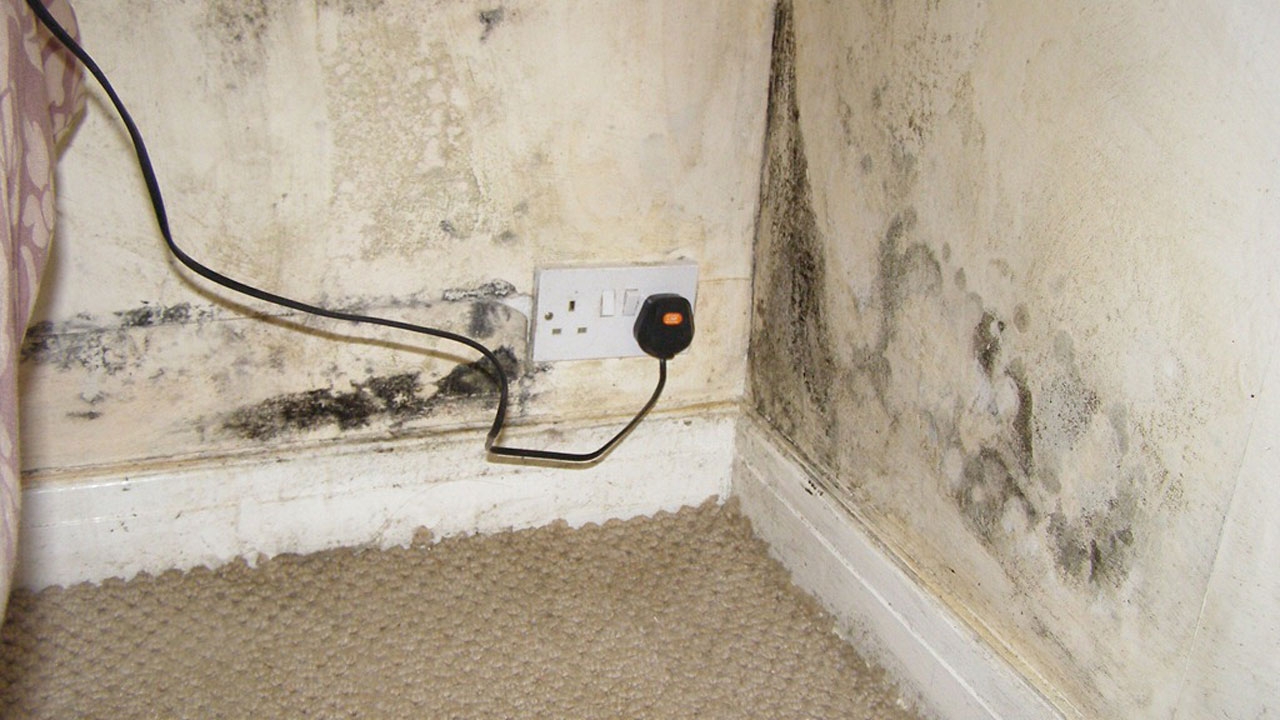
Damp homes could be taking your breath away – and not in a good way. Having mould on floors, walls and doors increases the risk of breathlessness by 90 per cent, a new study suggests.
Living in such an environment may also heighten the likelihood of bronchitis, sinus problems and asthma. Around 11 per cent of modern homes have visible signs of being damp, Swedish researchers estimated.
And the worse it is, the higher the risk of having nose, throat and lung-related health problems, they claimed.
[ad]
Lead author Professor Christer Janson, of Uppsala University, said: “A lot of papers show an association between asthma-related symptoms and building dampness. What’s new is the association between chronic inflammation and building dampness.
“This is an important finding as chronic inflammation is quite a common condition with a very negative side effect on quality of life. We were surprised that the association with building dampness was so strong.”
How was the study carried out? The researchers analysed data from more than 26,000 adults in four Swedish cities who responded to a questionnaire.
They were asked about their respiratory symptoms, smoking and education, says the report in Clinical and Experimental Allergy.

They identified dampness by asking about visible water damage, floor dampness or mould seen in the home during the last 12 months.
A total of 2,992 people, or 11.3 percent, reported any signs of dampness, according to the investigation.
Compared to smokers with no signs of dampness, non-smokers with any dampness signs were 90 percent more likely to have nighttime shortness of breath.
These resources recommend locating moisture problems, removing moulds and controlling excessive water and condensation at home. Leaky pipes and roofs are often the biggest issues, the World Health Organization notes.
Professional help may be needed for leaks in building structure, sewage and air ducts. A mild detergent can remove the mould, followed by a full-room wet wiping or vacuuming after the spores are sealed in a plastic trash bag.