 Follow Us on Google News
 Follow Us on Google Discover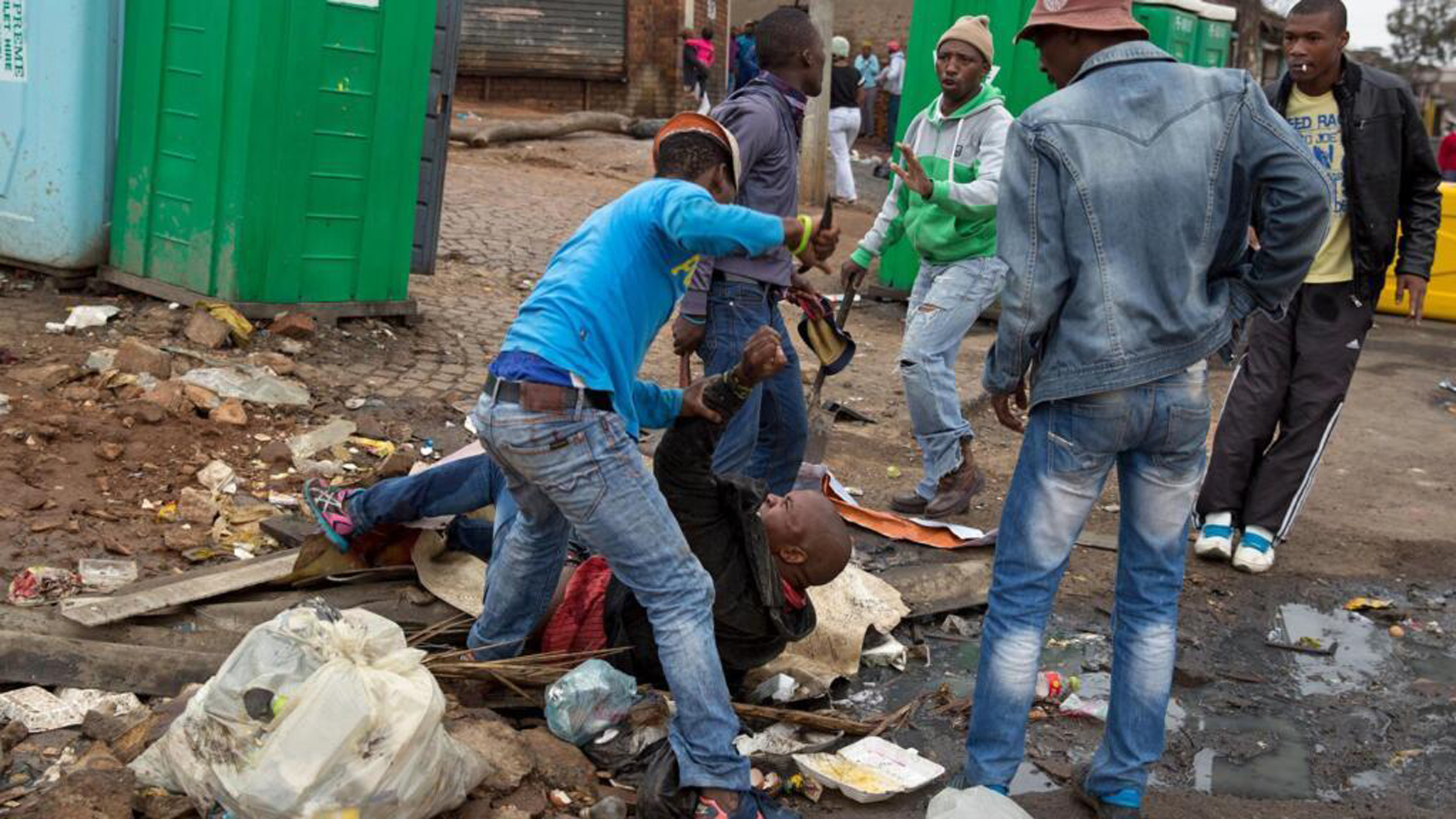
The Academic Staff Union of Universities (ASUU), South African Federation of Trade Unions (SAFTU) and the Organisation of Trade Unions of West Africa (OTUWA) have called for a renewed commitment to Nelson Mandela’s ideals of African solidarity, justice and human dignity.
The labour bodies warned that rising xenophobia and identity politics threaten the democratic values the anti-apartheid icon fought for.
These labour groups and other pro-democracy bodies made the call during activities marking the 2026 Nelson Mandela International Day, with events held in South Africa and Nigeria under the theme: ‘Mandela’s Long Shadow: Foreign Influence Campaigns and the Struggle for South Africa’s Democratic Identity.’
Speaking at the event, which was organised by the Centre for Democracy and Development (CDD) West Africa, SAFTU General Secretary, Zwelinzima Vavi, said South Africa owed a permanent moral debt to African countries that sheltered, trained and supported the country’s liberation movement during apartheid, stressing that attacks on migrants amounted to a betrayal of Mandela’s vision and Africa’s solidarity.
According to him, Mandela had warned as early as 1995 against growing hostility towards foreigners, reminding South Africans that neighbouring African countries welcomed exiles, educated their children and sacrificed their own development to support the liberation struggle.
Vavi said recent attacks on refugees and migrants, including reports of displaced families and violence in parts of South Africa, should trouble every democrat.

He, however, acknowledged that South Africans face genuine socio-economic challenges, including unemployment, poverty, inequality, crime, corruption and failing public services, but argued that migrants should not become scapegoats for structural governance failures.
According to him, violence against migrants would neither create jobs nor revive industries, but merely redirect public anger away from those responsible for economic decline.
He also criticised government failures in border management and labour regulation, arguing that weak immigration administration and the exploitation of migrant workers by employers have contributed to social tensions while allowing businesses benefiting from cheap labour to escape accountability.
Calling on organised labour to uphold international solidarity, Vavi said trade unions could not defend workers’ rights while remaining silent when migrants and refugees were subjected to violence and discrimination.
He further warned that the resurgence of nationalism, racism and anti-immigrant politics across different regions of the world posed a broader threat to democracy and international cooperation.
Meanwhile, at a public lecture commemorating Mandela International Day at Nasarawa State University, Keffi, Chairman of the International Governing Council of the Centre for Democracy and Development (CDD) West Africa, John Odah, described Mandela as one of the most influential figures of the twentieth century whose sacrifice and leadership remain a reference point for democratic struggles across the world.
Odah, who is also the Executive Secretary of OTUWA, recalled Mandela’s 27-year imprisonment under apartheid before emerging to lead South Africa’s democratic transition and eventual election as the country’s first Black president.
In a solidarity message, the President of ASUU, Prof. Chris Piwuna, said Mandela’s life represented the triumph of justice over oppression and remained a powerful reminder that democracy extends beyond elections to include equality, human rights and inclusive development.
The academic union said the 2026 Mandela Day theme underscored the growing impact of external interference, disinformation, economic dependency and divisive identity politics on African democracies.
It urged universities and intellectuals to defend academic freedom, critical scholarship and democratic values capable of exposing manipulation, inequality and injustice.
ASUU expressed concern over recurring xenophobic attacks against Nigerians and other African nationals living in South Africa, describing such incidents as incompatible with Mandela’s vision of an inclusive and democratic society.
The union said there could be no justification for violence against Africans pursuing legitimate livelihoods in fellow African countries, recalling Nigeria’s significant political, diplomatic and material contributions to the struggle against apartheid.
According to ASUU, the solidarity demonstrated by Nigeria and other African nations during South Africa’s liberation should continue to inspire deeper cooperation in education, research, innovation, democratic governance and economic development.
The union urged the South African government, labour organisations, civil society groups and democratic institutions to reject xenophobia and strengthen constitutional values rooted in equality, accountability and pan-Africanism.
It also called on African governments to protect the rights and dignity of citizens across the continent while ensuring accountability for perpetrators of xenophobic violence.
Speakers at the commemorations agreed that Mandela’s greatest legacy lies not only in ending apartheid but in demonstrating that reconciliation, justice and African unity remain essential foundations for lasting democracy and peace.

