 Follow Us on Google News


 Follow Us on Google Discover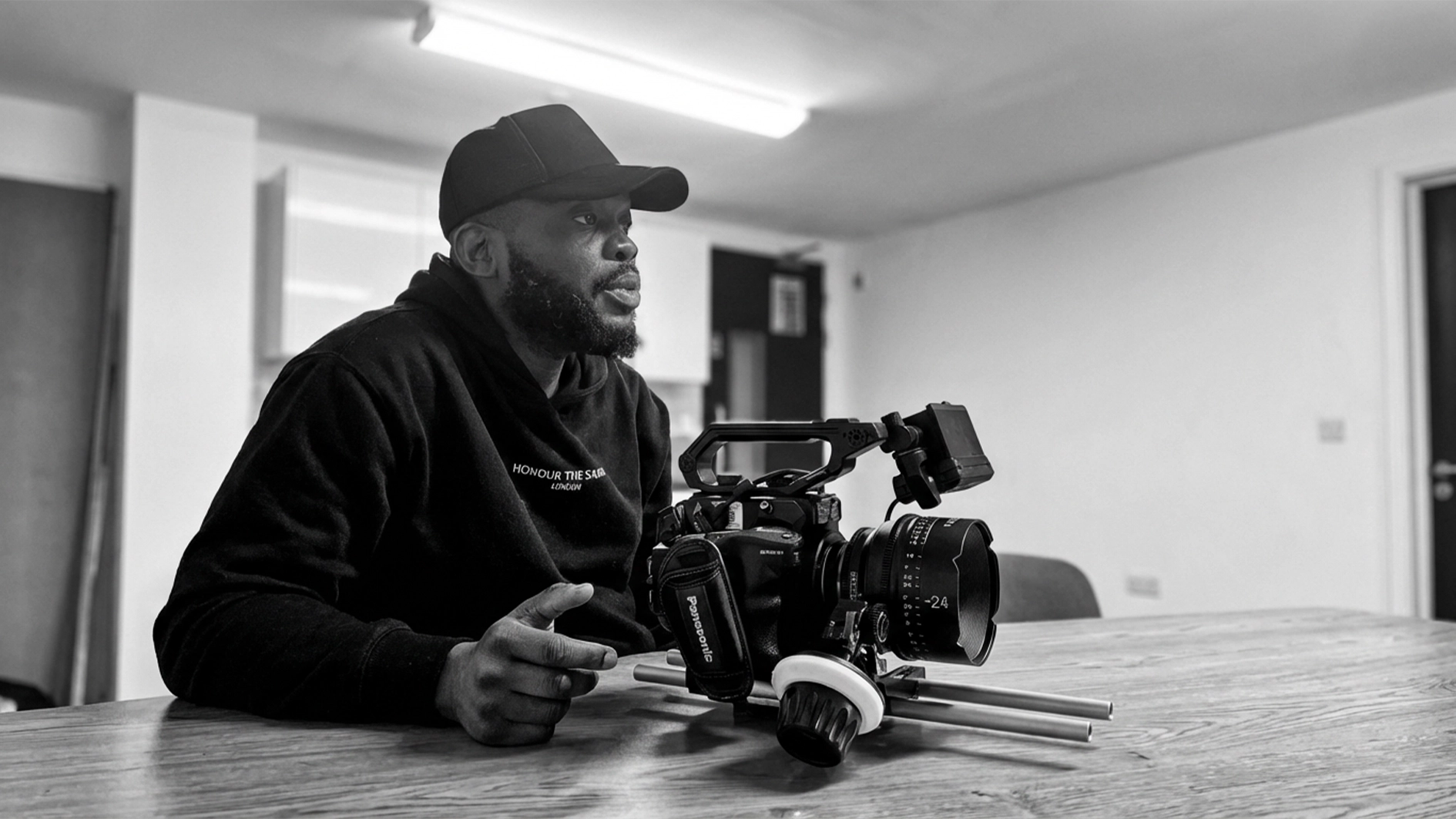
For decades, Oyeleke Afolabi, a UK-based cinematographer, documentary filmmaker and media consultant has led creative projects across documentary film, podcasts, educational media, community and cultural events and commercial productions.
Some of works include, the documentary series Diamonds in the Rough that encompass Road to Greatness and From Voice to Platform as well as the UK-based podcast, The Rich Financial Tea, and the visual leadership on cultural events for organisations such as the Bournemouth Worship Group, among others, depict his prowess at using the camera to tell true-life stories.
Afolabi’s ongoing project, Diamonds In The Rough, demonstrates his commitment to documenting authentic experiences. Episode One that profiles how an immigrant boxer is navigating the UK sporting landscape, explores major themes and subthemes that include discipline, training and personal motivation as foundations for growth and self-determination.
Screened as a work-in-progress at This Is Not A Screening in collaboration with the London Migration Film Festival, where professional peer and audience feedback was encouraging, the episode showcased him as a master in the craft.
Episode 2 of Diamonds In The Rough builds on the foundation of the first by documenting a student-led campaign for immigrant inclusion within an academic environment, showing how advocacy, collaboration and preparation translate into public-facing platforms and institutional engagement.
According to Afolabi, the episodes reflect sustained professional documentary practice, long-term access and a consistent director-led approach across distinct subjects and contexts.

Using his documentaries to tell stories leave a lasting impact on the viewers and prioritises character-led storytelling, ethical representation and visual authorship.
For the filmmaker, documentary filmmaking is more than recording events; it is a tool for care, cultural preservation and community engagement. Through his lens, lived experience and identity take centre stage, ensuring that the people within his films are seen as full participants in their own stories, and that their journeys are preserved for wider cultural understanding.
“Documentary filmmaking is less about spectacle and more about presence. My work sits quietly with its subjects, allowing lived experience, identity and community to take centre stage,” he notes.
Working primarily across documentary and non-fiction film, Afolabi has built a career around visual storytelling that explores migration and the everyday negotiations of people navigating new spaces. His approach is observational rather than intrusive, shaped by years of experience behind the camera and a belief that stories are strongest when allowed to unfold naturally.
“I am interested in how people occupy space,” he continues, “how they speak, how they move, how they relate to one another. Documentary gives you the responsibility to listen before you frame.”
Afolabi’s journey into film, documentary and filmmaking began in India, where early exposure to media production and academic project work laid the foundation for his visual sensibility. Those formative years, he explains, taught him discipline and adaptability skills that later became central to his professional practice.
Over time, his works have expanded beyond borders, with projects engaging international audiences and themes that resonate across cultures. Yet his storytelling remains grounded in African perspectives, particularly the experiences of Black and immigrant communities navigating global spaces. “Representation is not about visibility alone,” he notes, adding, “it’s about authorship. Who is telling the story, and from what point of view?”
One of Afolabi’s notable documentary projects, Road To Greatness, follows the journey of an immigrant student in the UK pursuing a professional boxing career. More than a sports documentary, the film examines ambition, displacement and the quiet resilience required to rebuild identity in unfamiliar environments.
As director, cinematographer and editor, Afolabi holds the creative responsibility for the visual language of the project from development through post-production. The film reflects his signature style: restrains camerawork, intimates framing and lays emphasis on emotional truth rather than dramatic excess. “The camera should not dominate the room,” he says, stressing, “it should rather earn its place.”
Beyond long-form documentary, Afolabi’s work spans digital media, education and cultural events. He has served as a visual lead on UK-based podcast productions, contributed to public-facing educational platforms, and led cinematography for community and cultural organisations. Across formats, his focus remains consistent clarity of story, ethical representation, and visual coherence.
For him, filmmaking is inseparable from community. Whether documenting networking spaces, cultural gatherings or intimate conversations, Afolabi views the camera as a bridge rather than a barrier.
In one of his recent projects, he documented the role of the Society of Nigerian Students in supporting and advocating for Nigerian students in Bournemouth. The film focuses on how the organisation creates community, provides guidance, and ensures students feel represented and looked after within the university environment. Avoiding spectacle or narration, the work centres on interaction, listening and collective presence that reflects Afolabi’s commitment to documentary as a tool for care and cultural record.

