
 Get Guardian on Google
“Hope”, a solo exhibition of 12 mixed media paintings that combined the major use of African print textiles and acrylic on canvas, was the visual appeal of the solo exhibition by Nigerian Artist Tayo Ayelowo at the DSQube gallery, Devonshire Square, in September 2026. Ayelowo is an artist to watch for in shaping what is next with cultural and conceptual African art.
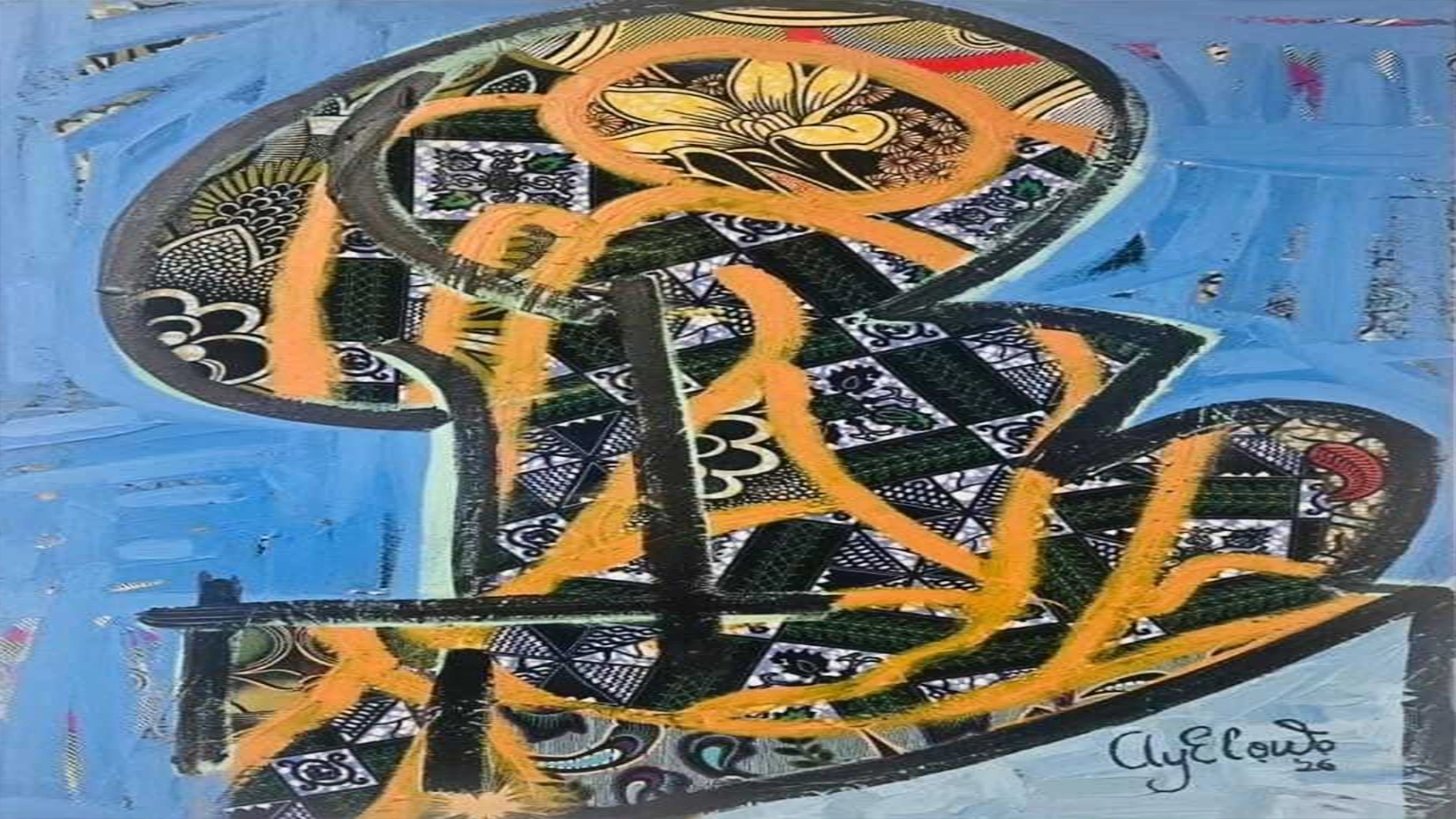
Unique to Ayelowo’s technique is the meticulous and intentional cutting of African prints and bold application of acrylic paints, which are layered around the outer edges of these African prints. In “Hope,” the textiles are the foundational and cultural significance that engages the viewer in a dialogue of diasporic memories and culture, which reconfigures and harmonise effortlessly with the exhibition’s narrative inquiry of processes if transformation and renewal. By materialising textile into visual expression, Ayelowo demonstrates a conceptually rich understanding of both cultural symbolism and formal composition with such clarity by an artist whose work continue to develop through sustained experimentation and inquiry.
Ayelowo’s technique conveys a collaborative advantage. Her use of acrylic paint is bold and saturated, layered with deliberate and disciplined application that creates depth and movement across the surface. Her brushwork expression introduces fluidity that moderates the compositional precision of the prints, hence; creating a nuanced visual effect of each piece. This dialogue between tactile textile surfaces and expressive paint signals a disciplined exploration of how indigenous materials can resonate with contemporary fine-art techniques.
Ayelowo’s practice experimentation with African batik prints reconfigures these materials with a contemporary sensibility that is reflective. The African prints are integrated with a structural intelligence to the canvas which defines the visual architecture of each work. Their pattern transmits and transports memory and cultural continuity, forming a compositional rhythm foundation on which the rest of the visual syntax rests. Her command of colour is particularly striking, her use of acrylic paint is densely layered yet translucent and visually radiant resulting in surfaces that feel alive and responsive yet contrasting with decisions that heighten emotional resonance without sacrificing compositional balance. Her ability to merge cultural symbolism with formal experimentation is both coherent and compelling.
Ayelowo’s Hope exhibition at Devonshire Square gallery, London sets a notable trajectory within the UK’s African and diaspora arts movement. Her ability to merge cultural symbolism with formal experimentation contributes meaningfully to ongoing conversations about the renewal and recontextualisation of African materials within global contemporary art. “Hope” demonstrated her growing capacity to evoke culturally rooted narratives through a contemporary visual conceptual framework that challenges established orders of significance between craft, textile and fine art.
“Hope” presented harmoniously interconnected space in which textile, paint and exploration interacted with a sense of purpose. Each piece became part of a broader inquiry into how pattern, colour and surface can coexist for cultural memory. Ayelowo’s ability to translate personal and collective narratives into a contemporary visual language reflects a seriousness of intent that aligns with the expectations of new professional artist positioned for future impact.
Her contribution to Africandiasporic art is of particular significance, and this exhibition establishes her evolving practice reputation for formal innovation and material sensitivity within the contemporary cultural landscape. Ayelowo participates in a wider movement of artists reclaiming sustainable indigenous materials as transmitters of contemporary expression, yet she approaches this conversation with her own distinct identity.

In my interpretative sensitivity, Ayelowo demonstrates the attributes associated with remarkable aptitude: disciplined experimentation, conceptual clarity and a developing capacity to contribute meaningfully to the visual arts sector. The public presentation of “Hope” provides substantive evidence of a tremendous upside artist whose practice is evolving with confidence and professional credibility.
Dr Ade Ogundinmu, PhD (Fine Art)
Artist, Researcher and Academic Peer London, United Kingdom.