 Follow Us on Google News


 Follow Us on Google Discover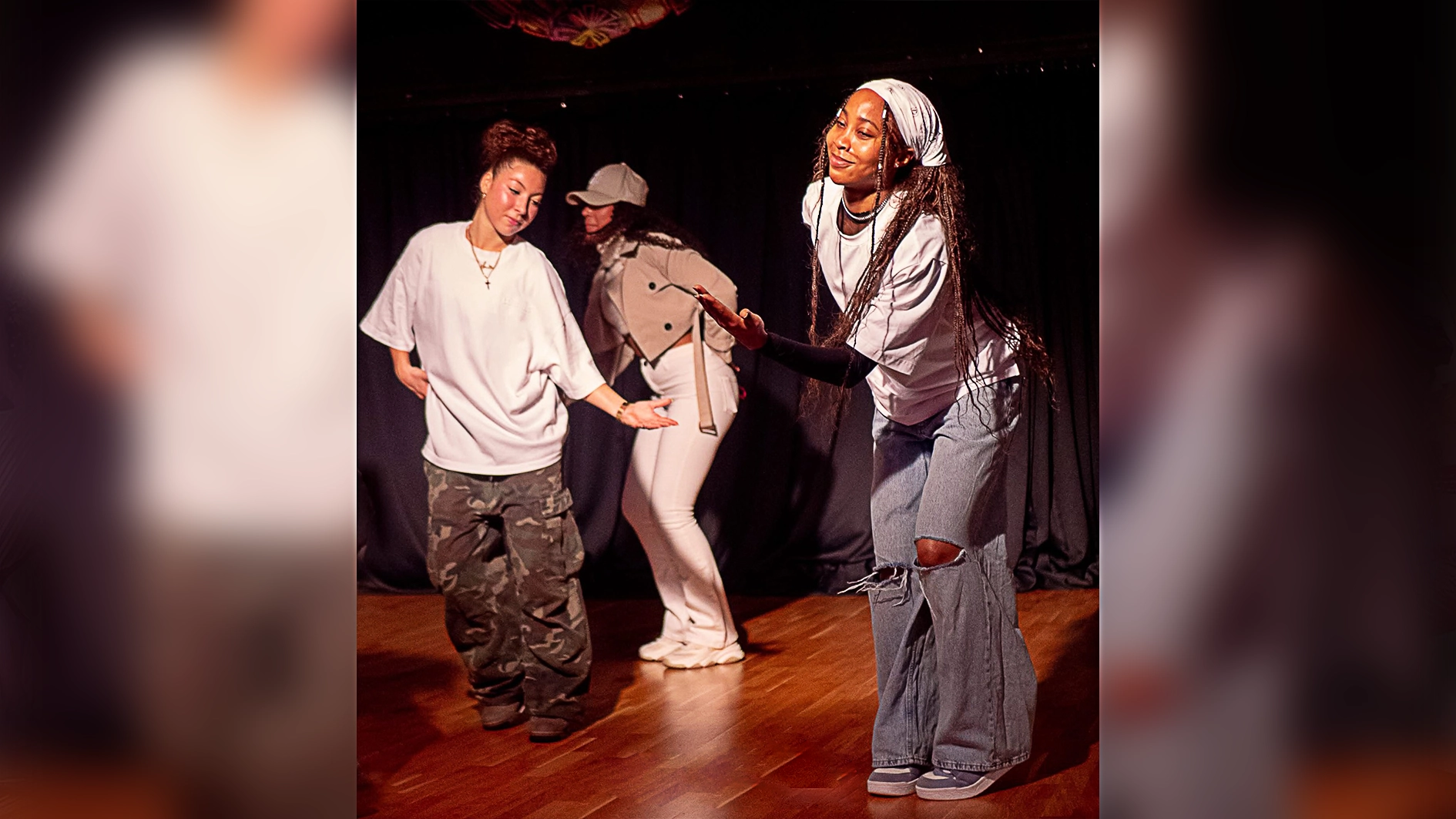
A review of Inimfon Ekpenyong Iniama’s Afrofusion Performance and workshop at Roots in the House 2025
By Gregory Austin Nwakunor
There are theatrics in performance where dance becomes more than movement: it becomes a celebration of identity, culture, and shared joy. That, perhaps, was the atmosphere at Roots in the House, an event held on October 26, 2025 at House of Wingz, to celebrate the Black History Month, and the cultural contributions of African and Caribbean communities in Blackpool.
The event brought together artists, creatives, performers, and community members for an afternoon of connection, culture, and celebration. It provided a powerful platform for Black excellence, highlighting the artists who are shaping the local cultural landscape, inspiring others and contributing meaningfully to the community.
Among the featured performers was Inimfon Ekpenyong Iniama, whose work stood out not only as a dance performance but as a vibrant cultural offering. Through movement, music, collaboration, and audience engagement, Inimfon presented a performance that celebrated African dance, Afrofusion, joy, and the beauty of artistic connection. Inimfon offered a performance that embodied all three.
Her performance was created in collaboration with another dancer, Franklin and the talented live violinist Melika Queeley. This combination of Afro dance and live violin created a striking artistic contrast: the rhythmic energy of African movement meeting the elegance and emotional texture of the violin.
Through her choreography, she showcased the richness of African movement; through her collaboration with Frank and Queely, she demonstrated the power of artistic unity; and through her workshop, she opened the door for others to participate in the culture she represented.

The choice to perform to violin version of Rema’s Baby Come Down, played by Melika’s violin, gave the piece a familiar Afrobeats foundation while also allowing it to feel fresh, layered, and theatrical.
Queeley, as a live violinist, added another layer to the performance. Her violin did not simply accompany the dancers; it shaped the mood of the piece. The dancers’ decision to move around her with controlled, supportive energy showed respect for the live musician and created moments where the audience’s attention shifted toward her artistry. This made the performance feel collaborative rather than dancer-centred, and it demonstrated Inimfon’s awareness of how to share the stage meaningfully.
Inimfon also led a mini workshop that invited the audience to participate directly. This transformed her role from performer to educator, allowing her not only to showcase Afro dance but also to teach and explain aspects of the culture behind it.
The workshop was beginner-friendly and inclusive. Inimfon introduced participants to Afro movements, including some trending beginner friendly steps, like; shoki, Azonto, power blow, Guda etc before bringing them together into a simple routine.
This approach worked well because it allowed people with little or no dance experience to feel involved and successful. The workshop did not focus on perfection; instead, it focused on participation, confidence, rhythm, and enjoyment. This also gave the audience a taste of what Inimfon’s Afro dance classes which is the only Afro dance classes currently in Blackpool, feel like and her ability to teach and lead.
One of the most meaningful parts of the workshop was the way it encouraged connection between participants. At certain moments, the audience members were invited to move around, greet one another, smile, shake hands if they wanted to, and then return to formation facing the mirror. This turned the dance session into a social and communal experience. It reflected the wider purpose of Roots in the House: bringing people together through culture, creativity, and shared celebration.
The workshop educated participants about Afro dance as more than a trend. By explaining aspects of the movement and culture, Inimfon gave people a deeper appreciation of what they were learning.
This was important because Afro dance is often enjoyed globally, but its cultural roots and meanings are not always fully understood. Through her teaching, Inimfon created a space where people could enjoy the movement while also respecting its cultural background.
Audience response suggested that both sections of Inimfon’s contribution were successful. The performance brought energy, colour, and excitement to the event, while the workshop gave people the chance to participate, learn, and connect. Feedback from attendees was positive, with many expressing enjoyment and appreciation for the opportunity to learn Afro movements and experience the culture in an accessible way.
Inimfon’s performance at Roots in the House was a confident and meaningful presentation of Afrofusion dance. It celebrated Black excellence, honoured African culture, highlighted collaboration, and created a bridge between performance and community participation.
Her contribution to Roots in the House was not simply a performance. It was a celebration, an educational moment, and a reminder that dance can bring people together across backgrounds, experiences and generations.

