 Follow Us on Google News


 Follow Us on Google Discover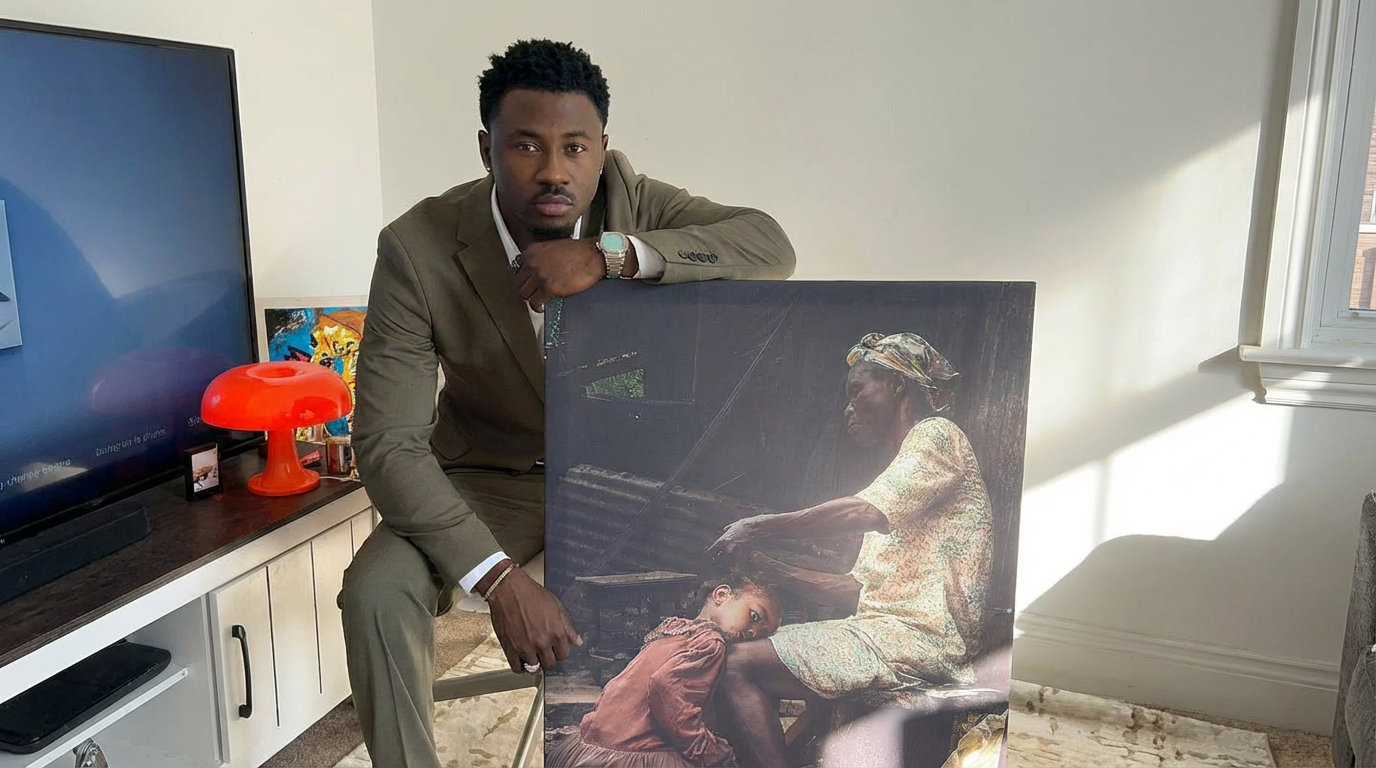
In recent years, conversations around representation in contemporary art have intensified, particularly concerning how African and diasporic communities are portrayed, who controls those narratives, and who benefits from their circulation. At the heart of this debate is a growing call for ethical storytelling that prioritises dignity, consent, and shared value over spectacle or extraction. Fine art photographer Adisa Olashile represents a generation of image-makers responding to these concerns through practice rather than rhetoric.
Born in Nigeria and currently based in London, Olashile’s work engages questions of authorship, power, and community presence within documentary photography, offering an alternative approach to how everyday African and diasporic lives are visually recorded and preserved. Unlike traditional documentary methods that often rely on staged compositions or distant observation, Olashile’s photographic process is rooted in immersion and restraint.
He spends time within the environments he photographs, allowing moments to unfold naturally. This approach resists sensationalism and instead centres quiet, ordinary experiences that are frequently overlooked in mainstream visual culture. The ethical dimension of this practice gained international attention in 2022 during Olashile’s National Youth Service Corps year in Ibadan, Nigeria. While documenting street life, he encountered an elderly drummer known locally as Baba Onilu. The resulting portrait later entered the digital art space as a non-fungible token, sold on an international platform.
What distinguished the project was not its digital format but its structure of accountability. Olashile shared half of the proceeds directly with his subject, challenging long-standing norms in photography where subjects rarely benefit materially from images built around their lives. The decision prompted wider discussions within creative circles about fair compensation, consent, and the responsibilities artists bear toward the people they document. Following his relocation to the United Kingdom, Olashile extended these concerns to diasporic representation through an ongoing documentary project focused on Peckham, South London. Often referred to as Little Lagos, the area is home to one of the most visible Nigerian communities in the UK.
Through street portraits, markets, places of worship, fashion, and daily interactions, the project documents how Nigerian identity is maintained and reshaped outside its geographic origin. Rather than framing the diaspora through nostalgia or displacement, the work presents it as dynamic and culturally productive. Peckham emerges as a living archive, reflecting migration, adaptation, and belonging while asserting the community’s relevance within contemporary British society.
Within the broader art space, Olashile’s work contributes to pressing debates around ethical representation, diaspora documentation, and cultural preservation. His practice demonstrates how photography can function not only as artistic expression but as social record, technological experiment, and ethical intervention. As global audiences increasingly engage African and diasporic stories through images, the question is no longer simply who is seen, but how they are seen and under what conditions.

Through a practice grounded in respect, shared benefit, and close observation, Adisa Olashile’s work illustrates how photography can move beyond extraction toward more balanced and responsible forms of storytelling. In addressing both home and diaspora, his images do more than document lives. They challenge established norms within visual culture and contribute to a more inclusive and accountable approach to contemporary art.

