 Follow Us on Google News


 Follow Us on Google Discover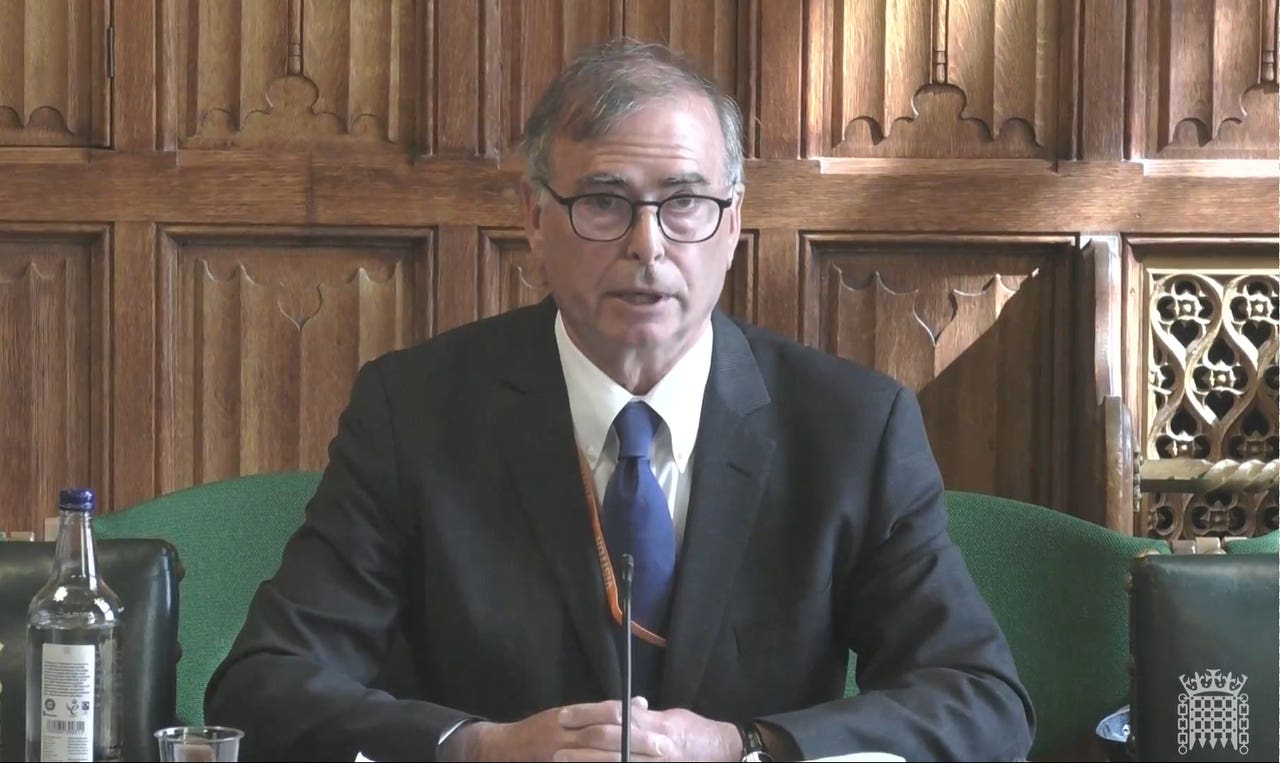
An overwhelming majority of English football clubs are struggling to remain financially sustainable, with 94 per cent of teams across the top five divisions of the men’s game operating at a loss, according to a report by the Independent Football Regulator.
The regulator’s draft State of the Game report, published on Tuesday, October 13, presents a concerning picture of an industry generating billions of pounds annually while many of its clubs remain dependent on financial support from their owners.
English football generated approximately £9 billion in revenue last season, yet the report found that 32 clubs could not survive for more than 30 days without owner funding. Another 17 clubs would remain loss-making even if their players played for free.
David Kogan, chair of the Independent Football Regulator, warned in the report’s foreword that English club football was simultaneously the “richest, best and most deeply competitive in the world while also standing on the edge of financial disaster”.
He said the game needed to address its financial vulnerabilities while substantial revenues were still flowing into the sport.
Kogan told the Press Association: “Everyone needs to take into account the fact that nothing is ever forever.

“We have to look at (the potential for broadcast revenues to fall) as a risk factor, and just make a judgement call, and actually also see what happens if the money does reduce.
“At the moment, the sun is shining. There’s £9bn pounds a year coming in. This is the very moment to address the issues of liquidity and losses and debt, before suddenly you see the money going backwards and it’s too late.
“And our intention is to act before it’s too late.”
The report also forecasts that total debt across English football could exceed £5 billion by the end of the current season, while net transfer debt stands at approximately £3.4 billion. The figures come amid expectations that broadcasting revenues could plateau or decline in the next cycle.
The findings have also attracted concern from lawmakers. Dame Caroline Dinenage, chair of the House of Commons Digital, Culture, Media and Sport Committee, said the report highlighted the need for urgent attention to the financial condition of English football.
Commenting on the report’s publication, she said:
“Today’s report should worry everyone who cares about our national game and the communities where football clubs play a crucial role.
“It’s sobering that, while English football made around £9bn last season, 94% of clubs were loss-making. With so much cash sloshing around how can we be in a situation where hardly any clubs can stand on their own two feet?
“The IFR is right, the financial risk embedded in English club football can no longer be ignored. They’ve framed the issue, now they need to show us what they’ve got. Can they lead football on the path back from the brink, while narrowing the gap between the haves and have nots?
“The committee will be holding an evidence session with Chair of the IFR David Kogan next month to find out.”
The report is expected to shape discussions on tighter financial controls, spending discipline and the measures required to protect clubs from financial distress. It will undergo an eight-week public consultation before the regulator develops its final recommendations.
Its publication also comes as the Premier League and the English Football League continue negotiations over a new financial redistribution agreement intended to provide greater support to clubs outside the top flight.
The Premier League has proposed annual solidarity payments of £180 million to EFL clubs, while the EFL has sought £207 million a year. If the two sides fail to reach an agreement, the regulator has powers to impose a settlement.
The report further highlights the scale of payments to football agents, whose fees across the professional game reached £484 million in the 2024-25 season.
The figures raise broader questions about how money is distributed throughout English football, the sustainability of clubs’ spending commitments and the extent to which existing financial arrangements protect teams facing economic difficulties.
For the regulator, the challenge is to help ensure that the wealth generated by English football translates into greater financial stability for clubs across the professional pyramid, rather than leaving many dependent on the continued support of their owners.

