 Follow Us on Google News
 Follow Us on Google Discover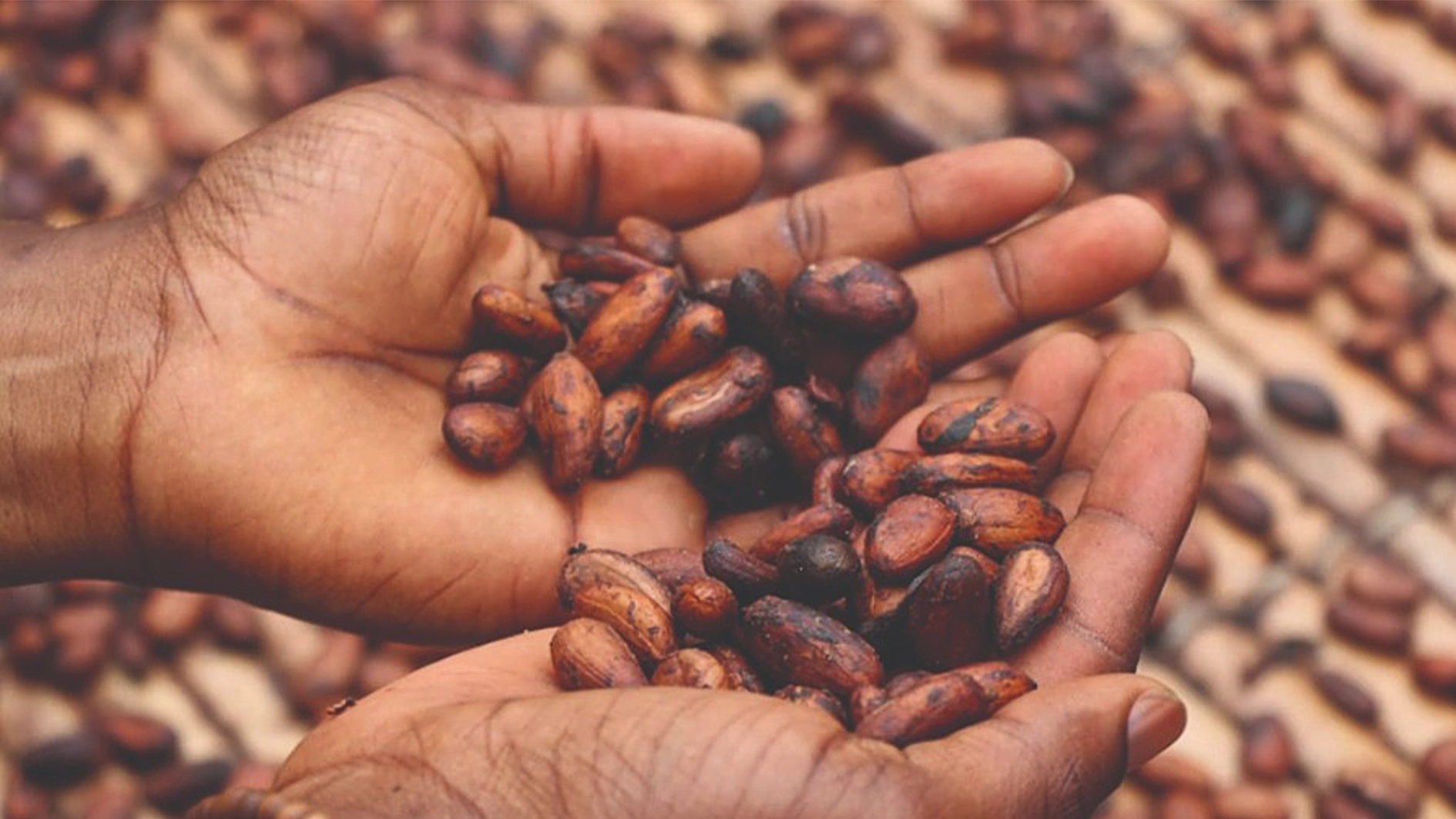
Although Africa accounts for about 80 per cent of the global cocoa supply, yet it only receives six per cent of the value from the chocolate market, currently valued at over $165b.
This situation is not a market failure; rather, it reflects a structural issue where Africa provides basic raw material while the added value, branding, and pricing control are held elsewhere.
The Cocoa and Coffee Farmers Alliance Association of Africa (COCEFAAA), which raised this concern recently, said the latest dramatic changes in cocoa prices – swinging from record highs to a sudden drop in just a few months, have highlighted the limited control African producers have over their commodity prices.
The Global President of COCEFAAA, Comrade Adeola Adegoke, who said simply prioritising farmers is no longer enough, urged the broader cocoa leadership across the continent to implement specific mechanisms.
“The mechanisms should include – a collaborative strategic reserve and supply-management system among producing countries, ensuring that supply decisions, rather than just futures markets in London and New York, determine the minimum price for cocoa.
“A price floor that is not less than $6000 per metric tonne and that can guarantee a fairer farmer’s income should be standardised across member countries to protect cocoa farmers income from the price crashes seen between 2025 and 2026. Prioritising risk management tools and forward-contracting options tailored for cooperatives and smallholder cocoa farmers, rather than just for large exporters and multinational companies.

“Advocacy on early-warning adoption for climate challenges, pests and diseases through research outcomes, allowing for proactive measures against supply shocks and resulting in production reduction, rather than leaving farmers to bear the full impact,” he said.
COCEFAAA also begged the steering committee on production to focus its next phase of work on decommoditisation on making significant investments in local grinding, and processing capabilities; structuring of Africa cocoa sales; and linking any new trade or investment agreements to enforceable local value-addition goals.
He noted that the body recognises the real progress that is already happening – Côte d’Ivoire becoming the top cocoa grinder in the world, and Ghana’s pledge to process half of its cocoa produce domestically, requesting that other African cocoa producing countries to follow the step.
“No single commodity exchange outside of Africa should dictate the earnings of African farmers for cocoa produced on African land. COCEFAAA advocates for the Côte d’Ivoire-Ghana Cocoa Initiative to serve as the foundation for a larger African Cocoa Producers’ Bloc, which includesNigeria, Cameroon and other producing countries. This bloc will coordinate production, establish pricing benchmarks, push for commodity exchange and negotiate collectively with international buyers and exchanges from a united front.
“COCEFAAA must be clear about the risks if the benefits of this cooperation stop at the border of two countries, while excluding others. Cocoa is grown majorly in West Africa, and farmers suffer the same price shocks, in Nigeria, Cameroon, Togo, Sierra Leone, Liberia and across the East and Central African regions that are now more into cocoa and coffee farming.
“Institution created by the two countries is commendable; however, the market volatility of the commodity has shown that two countries cannot continue to exert leadership without carrying other producing nations in Africa along. Therefore, the commitment of the two nations to extend this collaboration across their borders is commendable while we believe that the selling point of this collaboration across the two borders of these two countries should be based on performance driven and impact on the lives of cocoa farmers rather than production capacity driven leadership,” Adegoke said.
COCEFAAA also emphasises that the measure of the initiative’s success should not be based on the sophistication of its final statement, but must be evaluated at the farm gate prosperity and the incomes of the cocoa farmers – the price a farmer receives after harvest season less the costs of inputs and labour; whether cocoa-farming families can afford to keep their children in school until graduation; or whether old trees are being replaced with climate-resilient.
“We encourage the steering committee to release a scorecard of the initiative so far through a technical report that can be available to smallholder farmers, stakeholders, not just government or ministries official alone that can assess the impact of the partnership.”
COCEFAAA calls for the Côte d’Ivoire-Ghana partnership to be solidified through a binding bilateral agreement that includes clear enforcement and review processes, rather than depending on the goodwill of future administrations.
“In addition, a formal process should be created for other African cocoa producing countries to join this partnership. COCEFAAA, representing smallholder cocoa and coffee farmers across West, Central, and East Africa, is prepared to lead this broader accession process and ensure that farmer voices are included in discussions that have traditionally been dominated by other stakeholders,” he said.

