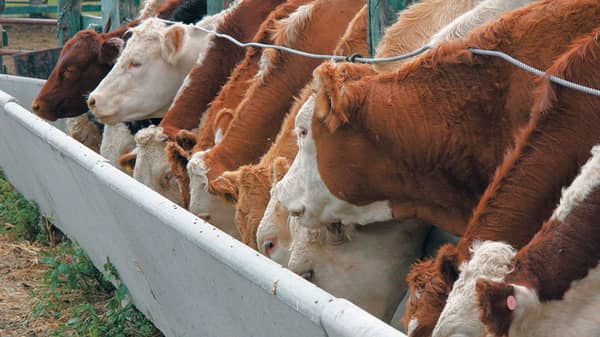
The Executive Chairman of Ajogbe Agro Allied Industry, Mr. Bosoye Olalere, has described the African AgriFood Knowledge Transfer Partnership (AAKTP) research between the University of the West of Scotland (UWS), the Federal University of Agriculture, Abeokuta (FUNAAB) and Ajogbe Agro-Allied Industries Limited (AJOGBE FOODS) as a game-changer, which has significantly enhanced its firm’s technical capacity to produce quality ruminant feed using locally available agricultural by-products.
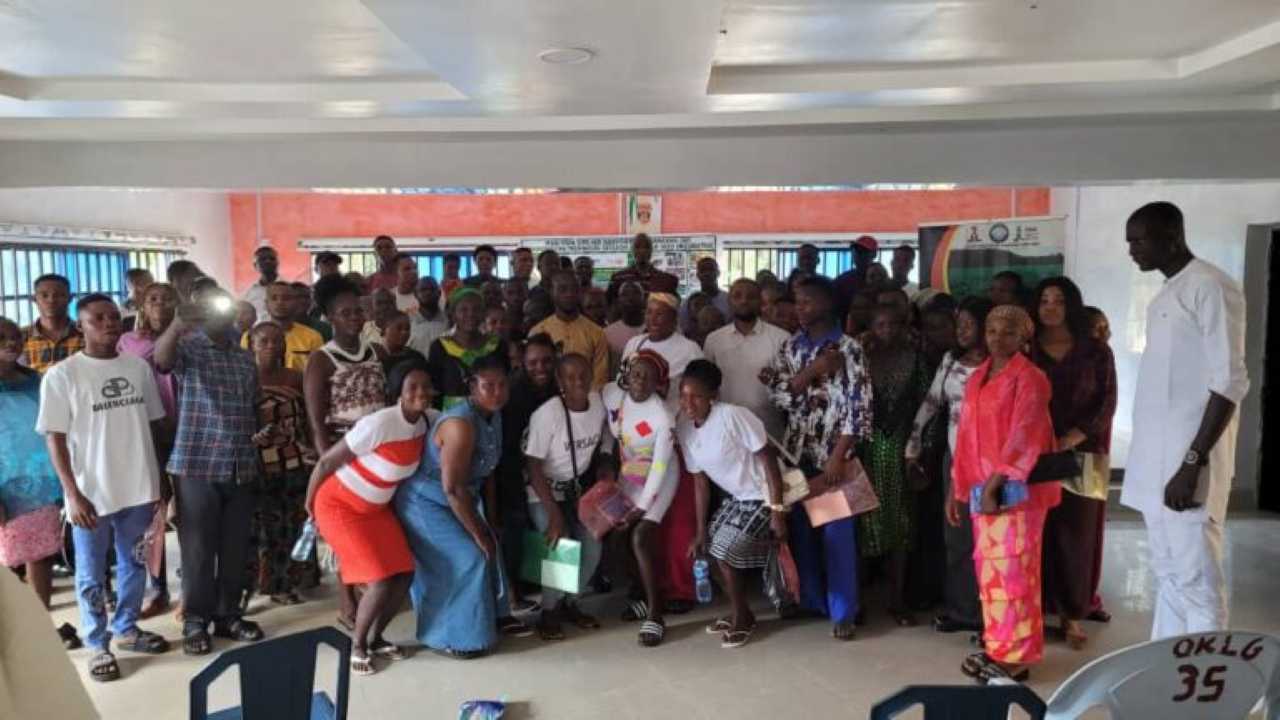
Olalere, who disclosed this at the Public Presentation of the research partnerships on “Developing Cost-Effective Feeds from Locally Available Crop Residues and Agro-industrial By-products (AIBs) for Livestock in South West Nigeria,” held at FUNAAB, said through the collaboration, Ajogbe Agro Allied Industry now possesses commercial-level expertise in feed production, which strengthens its mission to build a viable beef ecosystem in the Southwest region.
The tripartite business and research collaboration, funded by UKRI through ‘Innovate UK’, was primarily set up to support AJOGBE Beef Value Chain with research-driven innovations in livestock feeds. It commenced in November 2023 and ended in October 2025.
The project’s broad objective was to maximize the potentials of crop residues and AIBs to develop cost-effective nutritive feeds for livestock in Nigeria.
The wrap up meeting, which marked the completion of the project, was used to share the Research Outcomes and Innovation & Commercialisation Plans with the stakeholders; and also channel the course for continuous partnership collaborations on livestock feeds innovation through research and training.
Olalere explained that Ajogbe’s operational framework encompasses five interlinked components, which were cattle breeding, feed production, crop cultivation, processing, and logistics, all geared towards creating a self-sustaining livestock value chain.
He further noted that the collaboration had exposed the company to innovative breeding and feeding techniques that improve cattle weight and feed conversion efficiency.
FUNAAB’s Vice-Chancellor, Prof. Babatunde Kehinde, lauded the Project Team for translating research into tangible solutions.
Represented by the Deputy Vice-Chancellor (Development), Prof. Olawale Dairo, the VC said the tripartite collaboration, linking Africa and Europe with active private sector involvement, clearly reflects FUNAAB’s growing reputation for applied research and problem-solving innovation.
According to him, “This partnership goes beyond theory; it is practical, impactful, and results-oriented. It exemplifies the synergy between academia, industry, and government, the true catalyst for meaningful change.”
Earlier in his Welcome Address, the Project Team Lead, AAKTP, Prof. Adebayo Shittu of FUNAAB, described the collaboration as a landmark initiative that effectively bridges the gap between research and industrial application.
He emphasised that by connecting institutions across two continents, the United Kingdom and Nigeria, the project had created sustainable pathways for livestock feed development, while also addressing broader issues such as farmers and herders’ conflict and feed scarcity.
Delivering a Goodwill Message, Prof. Christian Harrison of the University of the West of Scotland (UWS) underscored the importance of academia–industry collaboration in shaping 21st-century leadership and driving economic growth through innovation.
In the same vein, the Programme Manager, Ogun State Agricultural Development Programme (OGADEP), Alhaji Akinlawon Olalekan, who represented the Permanent Secretary, Federal Ministry of Agriculture and Food Security, hailed the initiative as “a refreshing shift from traditional research practices.”
He commended the partnership for effectively linking research outcomes with real-world applications, reducing the burden on government in translating research into practice.
“This project has created a seamless connection between researchers and end users. It is a model worth replicating across Nigeria,” he affirmed, assuring the state’s readiness to collaborate on similar initiatives.