 Follow Us on Google News
 Follow Us on Google Discover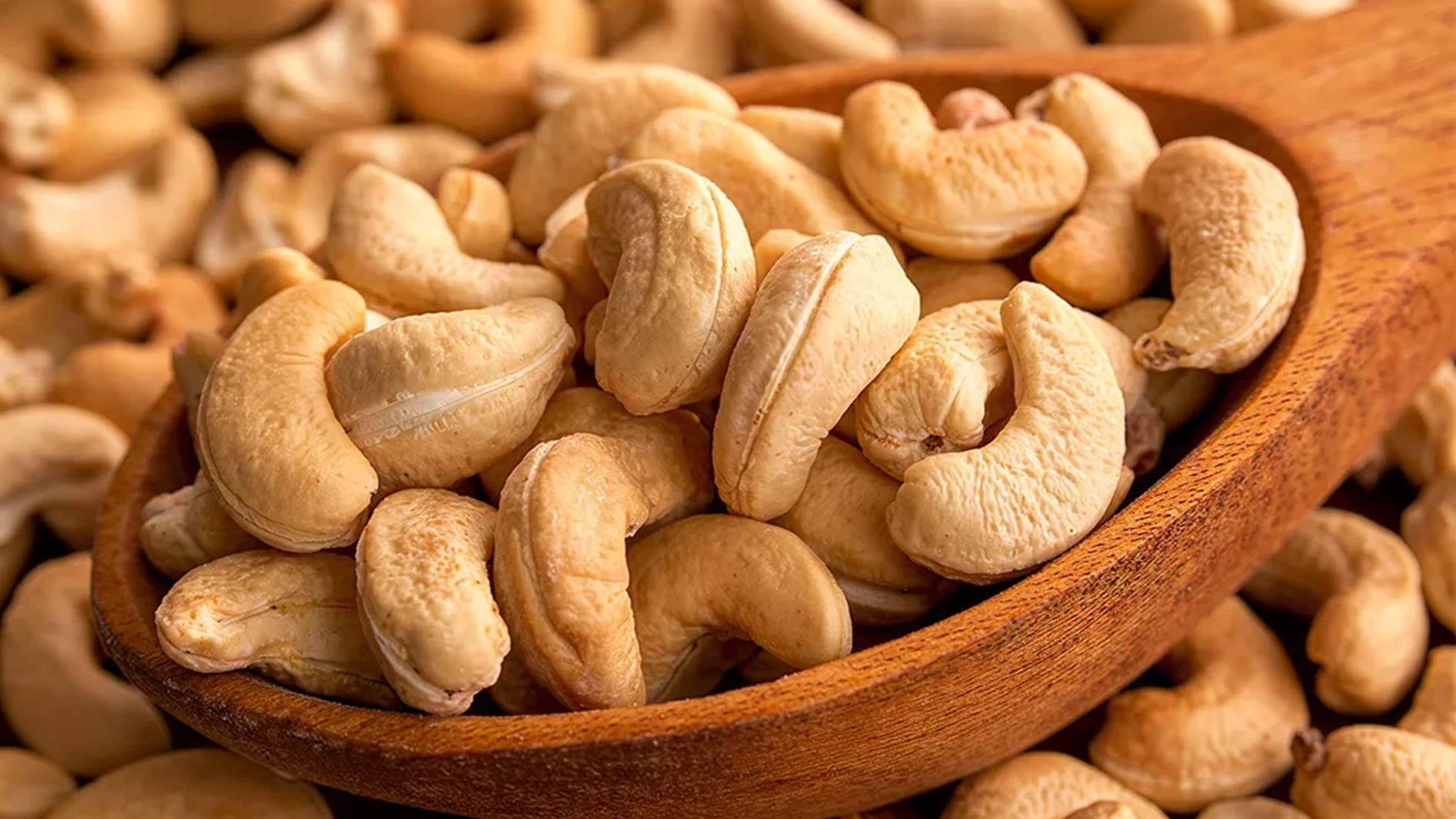
As part of its expansion drive, an indigenous agribusiness and commodities trading company, Cardinal Torch Company Limited has announced plans to expand into agro processing and manufacturing across key value chains, to redefine agricultural trade across Africa.
One of the moves is the proposed 10-tonne per day cashew processing facility in Siun, Sagamu, Ogun State, designed to convert raw cashew nuts into semi processed and ready to eat products., aligning with the firm’s vision’s of transforming the commodity trading sector in Africa.
The strategic investment, according to the firm, will enhance the value of Nigeria’s cashew exports by achieving international certifications that enhance market performance thus giving the firm a competitive edge, and setting a benchmark for sustainable development as they contribute to Nigeria’s non-oil sector.
Aside focusing on the semi-processing of cashew kernels for export, a complementary flavouring facility will be established to further process the cashew kernels into ready-to-eat brands for both local and international markets.
The Managing Director and Chief Executive Director of Cardinal Torch, David Olurin, who made the announcement at a media parley in Lagos, said the firm is expanding into cashew processing with a $4.5m investment, which he described as a shift from raw commodities export to value-added products.
Olurinnoted that Nigeria’s next phase of agricultural development should focus on processing rather than commodity exports, adding that this is one of the reasons why the company decided that the next phase is to start processing and value addition.
While stressing that the company, which began operations in 2020 as a commodity exporter, is expanding into agro processing and manufacturing across cashew, soybean and cocoa value chains as part of efforts to retain more value within Nigeria, Olurin called for the establishment of commodity boards to improve coordination across agricultural value chains, monitor pricing and provide greater market stability.
“We need to create an efficient commodities board that cuts across all commodities. That board will have powers to monitor and coordinate how the industry should work. Manufacturers must also adopt diversified energy strategies to reduce dependence on unstable electricity supply while government addresses infrastructure challenges.
“If anyone says they started thinking about solving their power problems after building a factory, then they made a mistake from the beginning. When Dangote built his factory, he established a dedicated power plant. He didn’t rely solely on the national grid or external gas supply.
“Cardinal Touch’s own plant sits on the Shagamu–Lagos Expressway with access to a gas pipeline, the national grid, a dedicated power source and solar backup. We deliberately avoided relying on a single power source,” he said.
He disclosed that the firm raised N10b through a commercial paper issuance this year as part of a longer-term plan to list on the Nigerian Exchange, and eventually seeks listings in New York or London.
Olurin said the company had originally mapped out a 10-year roadmap that penciled in a public listing around its ninth year, with the first four to five years focused on building the foundation of the business and the following years on becoming a processing company with four factories.
Also speaking, the Chief Technical Officer of the company, Emmanuel Mshelia said Nigeria currently captures only a fraction of the value generated from commodities such as cashew because much of the raw produce is exported to countries including India and Vietnam for processing.
“We intend to plug that gap, because when we add value from raw materials to finished products, we retain more value within Nigeria,” he said, adding that increased investment in processing would strengthen Nigeria’s non oil exports, improve food security, create employment opportunities and deepen industrialisation.
On her part, the Head of Business Development, Ndutimobong Sunday, said processors buy raw commodities at the same price as competitors in Vietnam but face higher operating costs, with interest rates of between 27 per cent and 36 per cent.
She said a commodities board could help by subsidising produce prices for local processors, given the high cost of funds they already absorb.
Also, the Executive Director for Operations and Logistics, Mr. BamitaleAkindele, described the firm as a supply chain organisation rather than simply a commodities trader, saying the “heartbeat” of the business lies in the work of aggregators, warehouse staff and logistics teams operating behind the scenes long before goods reach the port.
He said all of the company’s plants and factories were being built to meet internationally recognised standards, including BRCGS and ISO certification, with construction overseen jointly with original equipment manufacturers at every stage, from plant design and fabrication materials to civil works and installation.

