 Follow Us on Google News
 Follow Us on Google Discover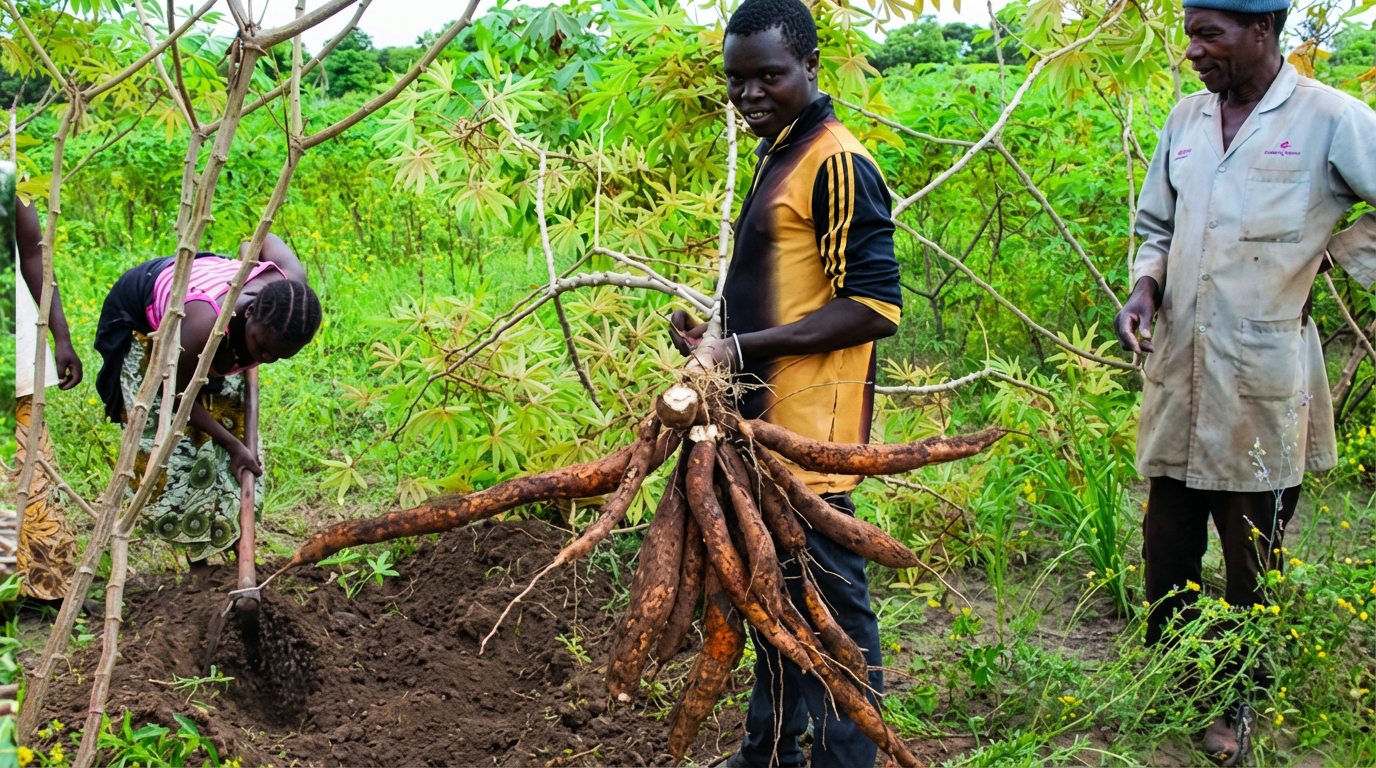
FOR decades, farming in Nigeria had followed a rhythm that many rural communities trusted: the rains would come, the soil would soften, and planting would begin. But today, that rhythm is breaking. Across the country’s agricultural zones, farmers are confronting a new and unsettling reality – seasons arrive late, floods arrive early, and droughts linger longer.
At the centre of this unfolding crisis is a growing global promise, climate adaptation finance. But as billions of naira and international climate funds flow into Nigeria, a deeper question persists, is this money truly protecting the country’s farmers, or is it being lost in the complex maze of governance and accountability?
A recent research by the Human and Environmental Development Agenda (HEDA) indicates that Nigeria’s agriculture sector is among the most vulnerable to climate shocks because of its dependence on rain-fed farming systems. The study noted that without urgent adaptation measures, climate change could reduce crop yields significantly in the coming decades, worsening food insecurity and rural poverty.
In Nigeria, agriculture is not just another sector in the country’s economy, it is a lifeline. Millions of households depend on small-scale farming for survival. From maize farms in Kaduna to cassava fields in Ogun and rice paddies in Kebbi, agriculture feeds both the nation and its workforce. Yet, climate change is steadily eroding this foundation.
Erratic rainfall patterns now disrupt planting calendars. Excess heat stresses crops and reduces soil moisture. Flooding, especially along the Niger and Benue river basins destroys farmlands and displaces rural communities. Meanwhile, desertification continues to push southward in northern Nigeria, swallowing fertile land.
According to findings cited by HEDA, Nigeria could experience crop yield losses ranging between 10 and 25 per cent by 2080 if climate adaptation is not significantly strengthened. For farmers operating on thin profit margins, such losses are catastrophic.
The rise of climate adaptation finance
Globally, climate adaptation finance is designed to help vulnerable countries adjust to climate impacts. In Nigeria, this funding arrives through several channels multilateral climate funds, bilateral development partners, domestic environmental funds, and specialised government programmes.
Agriculture is one of the primary targets of these funds because of its direct connection to food security and economic stability.
Adaptation financing in Nigeria’s agricultural sector typically supports climate-resilient seed varieties; irrigation and water management systems; flood control infrastructure; soil restoration and erosion management; climate information services for farmers and training on climate-smart agricultural practices.
HEDA notes that investments in agriculture-related climate adaptation are essential because climate variability is already affecting productivity and farmer incomes across the country.
However, while climate finance is increasing, transparency challenges remain a major concern. Its analysis highlights persistent governance gaps in how climate adaptation funds are tracked, monitored, and evaluated. Weak reporting systems, fragmented institutional oversight, and limited public access to funding data make it difficult to verify whether funds are reaching intended beneficiaries.
The issue is particularly sensitive when it comes to Nigeria’s Ecological Fund, which was originally established to address environmental challenges including erosion, flooding, and land degradation. Over the years, civil society groups have raised concerns about project selection processes and implementation oversight.
Without strong accountability frameworks, HEDA warns that climate finance risks becoming a policy promise that does not translate into real change for farmers on the ground.
Agriculture, forestry, other land use advantage
Within the global climate financing structures, agriculture falls under the Agriculture, Forestry, and Other Land Use (AFOLU) category. For Nigeria, this classification is significant. AFOLU-related projects not only strengthen food production but also support climate mitigation by improving land management and carbon storage.
Examples include agro-forestry programmes in the north to combat desertification, mangrove restoration in coastal regions to protect farmland from storm surges, and soil carbon initiatives to improve land fertility.
These projects create what HEDA describes as a ‘triple win’ supporting food production, climate resilience, and emissions reduction simultaneously.
Farmers on the frontline
Despite policy frameworks and funding announcements, many Nigerian farmers still struggle to access adaptation support.
According to HEDA, smallholder farmers often lack awareness of available programmes. Others face bureaucratic obstacles or require financial contributions they cannot afford.
In many communities, agricultural cooperatives and local extension workers serve as the bridge between farmers and climate finance programmes. But coverage remains uneven, leaving many rural farmers exposed.
For these farmers, adaptation is not about climate theory, it is about whether they can plant, harvest, and feed their families.
Technology and climate-smart agriculture
Technology is emerging as one of the strongest tools in Nigeria’s climate adaptation journey. Mobile weather forecasting services now provide farmers with real-time rainfall predictions. Satellite data helps track crop health. Some agricultural startups are developing climate insurance models that compensate farmers after climate-related crop losses.

But scaling these innovations requires coordinated investment from government, private investors, and development partners.
Youth, women and climate adaptation
Climate adaptation finance also intersects with social inclusion. Women make up a large share of Nigeria’s agricultural workforce but often have limited access to land ownership, credit, and agricultural inputs. Youth, meanwhile, represent a growing agricultural labour force but face funding and training gaps.
HEDA emphasises that climate adaptation programmes that prioritise women and youth participation could accelerate national adaptation outcomes while strengthening rural economies.
The food security dimension
Nigeria’s population growth adds urgency to agricultural adaptation. Rising food demand combined with climate-related production losses could deepen food inflation and increase reliance on imports
HEDA warns that failure to strengthen agricultural climate adaptation could translate into broader national security risks linked to food shortages and rural instability. It also identified key priorities for improving climate adaptation outcomes in agriculture –stronger transparency systems; public tracking of climate finance spending and independent oversight mechanisms; community-led planning; expanding extension services and training; blended finance models and data-driven agricultural policy.
Nigeria’s climate agriculture crossroads
Nigeria has the resources and agricultural potential to become a leader in climate-resilient farming in Africa. But realising that potential depends on whether climate finance is effectively deployed.
If adaptation finance reaches farmers, it could stabilise food production, protect rural livelihoods, and reduce poverty. If not, climate change could deepen inequality between climate-resilient commercial farms and vulnerable smallholder communities.
HEDA warns that adaptation delays will make future interventions more expensive and less effective.
For Nigerian farmers, climate adaptation finance is not an abstract policy debate; it is about survival, dignity, and economic stability.
HEDA’s findings suggest strengthening accountability in climate adaptation finance not just about financial governance but about protecting Nigeria’s food future.

