 Follow Us on Google News
 Follow Us on Google Discover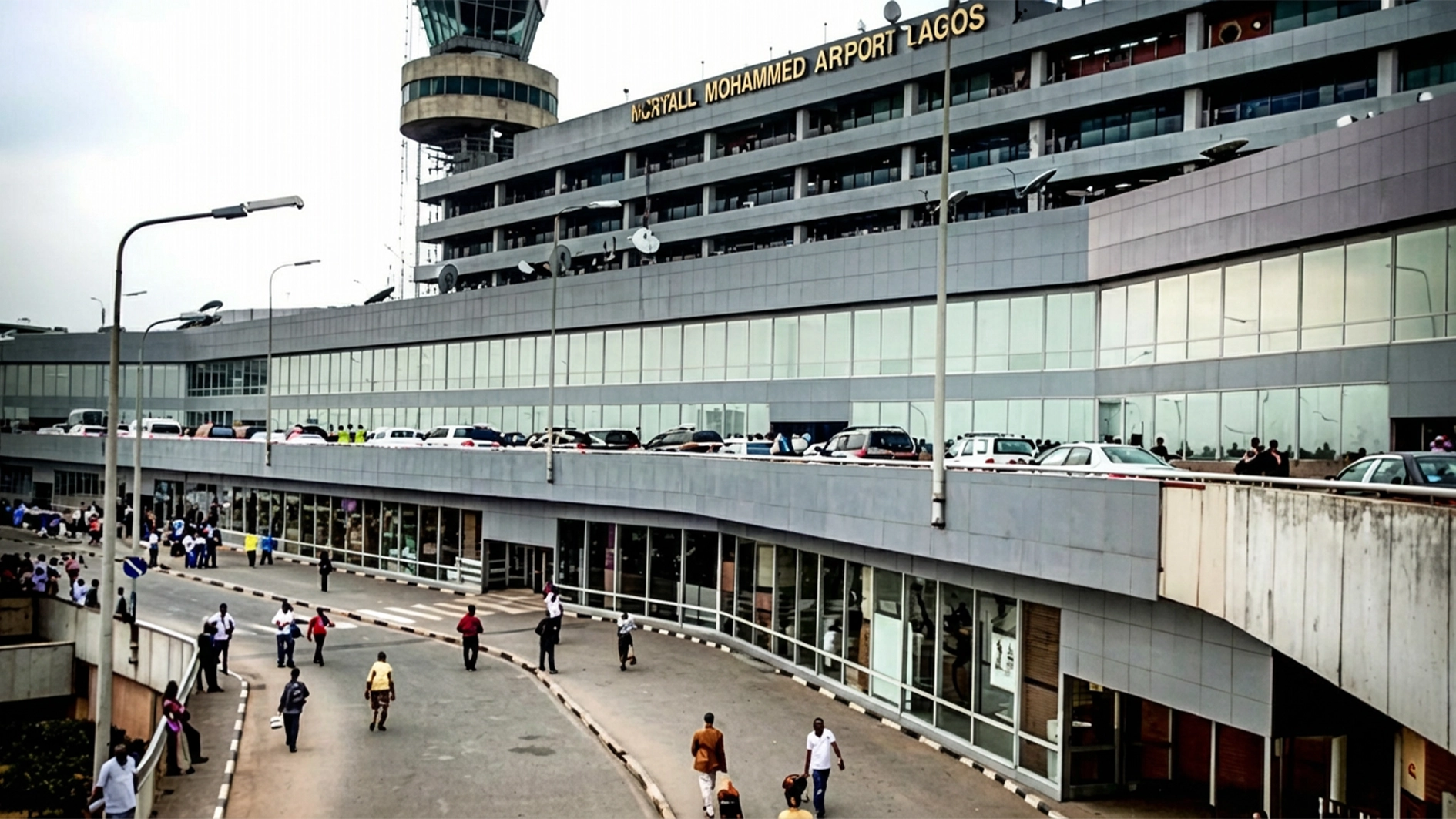
A former Managing Director of the Federal Airports Authority of Nigeria (FAAN), Dr Richard Aisuebeogun, said that privatisation and commercialisation of Nigeria’s airports is unavoidable if the country must unlock the aviation sector’s full economic potential and deliver world-class airport infrastructure.
Aisuebeogun stated at the weekend while delivering a paper on ‘Airport Concession: The Inevitable’ at the 2026 Airport Business Summit and Expo (ABSE).
The former FAAN boss emphasised that governments across the world were increasingly turning to private sector participation in airport management due to growing fiscal constraints, rising infrastructure demand and the need to attract long-term investments.
He noted that airports are among the most attractive infrastructure assets globally due to their strong growth potential, strategic importance and ability to stimulate regional and national economic development.
According to him, international experience, particularly in Europe and the Middle East, had shown that commercially managed airports are more efficient, customer-focused and financially sustainable than those operated solely by governments.
He cited the position of Airports Council International (ACI) Europe, which he said had consistently advocated greater airport commercialisation, maintaining that the model had transformed nearly half of Europe’s airports through improved competition, enhanced operational efficiency and increased private investment.

Aisuebeogun explained that airport concessionaires assume the financial and operational risks associated with managing airport facilities, making them more committed to expanding infrastructure, improving passenger experience and ensuring long-term profitability.
Unlike government-managed airports, he posited that private operators actively pursue route development, attract more airlines and create strategies aimed at increasing passenger traffic, which drives airport revenues.
He maintained that the volume that determines airport profitability is passenger traffic, noting that airlines alone could not sustain an airport.
The aviation expert further emphasised that governments worldwide are under increasing pressure to reduce public expenditure, thereby making it imperative to mobilise private capital to finance airport expansion and modernisation projects.
While positing that concerns are associated with airport privatisation, including resistance from stakeholders, possible short-term profit motives and reluctance by some concessionaires to undertake major investments, Aisuebeogun insisted that Nigeria already had adequate regulatory institutions to safeguard the public interest.
According to him, agencies such as the Bureau of Public Enterprises (BPE) and the Infrastructure Concession Regulatory Commission (ICRC) are responsible for ensuring that concession agreements are properly monitored and that investors comply with their contractual obligations through regular audits and inspections.
He, however, observed that governments are unlikely to relinquish total ownership of airports because of their strategic importance to national security and economic development.
Rather, he advocated carefully structured public-private partnerships (PPPs) that would preserve the government’s regulatory oversight while allowing private investors to bring in capital, innovation and operational expertise.

