 Follow Us on Google News
 Follow Us on Google Discover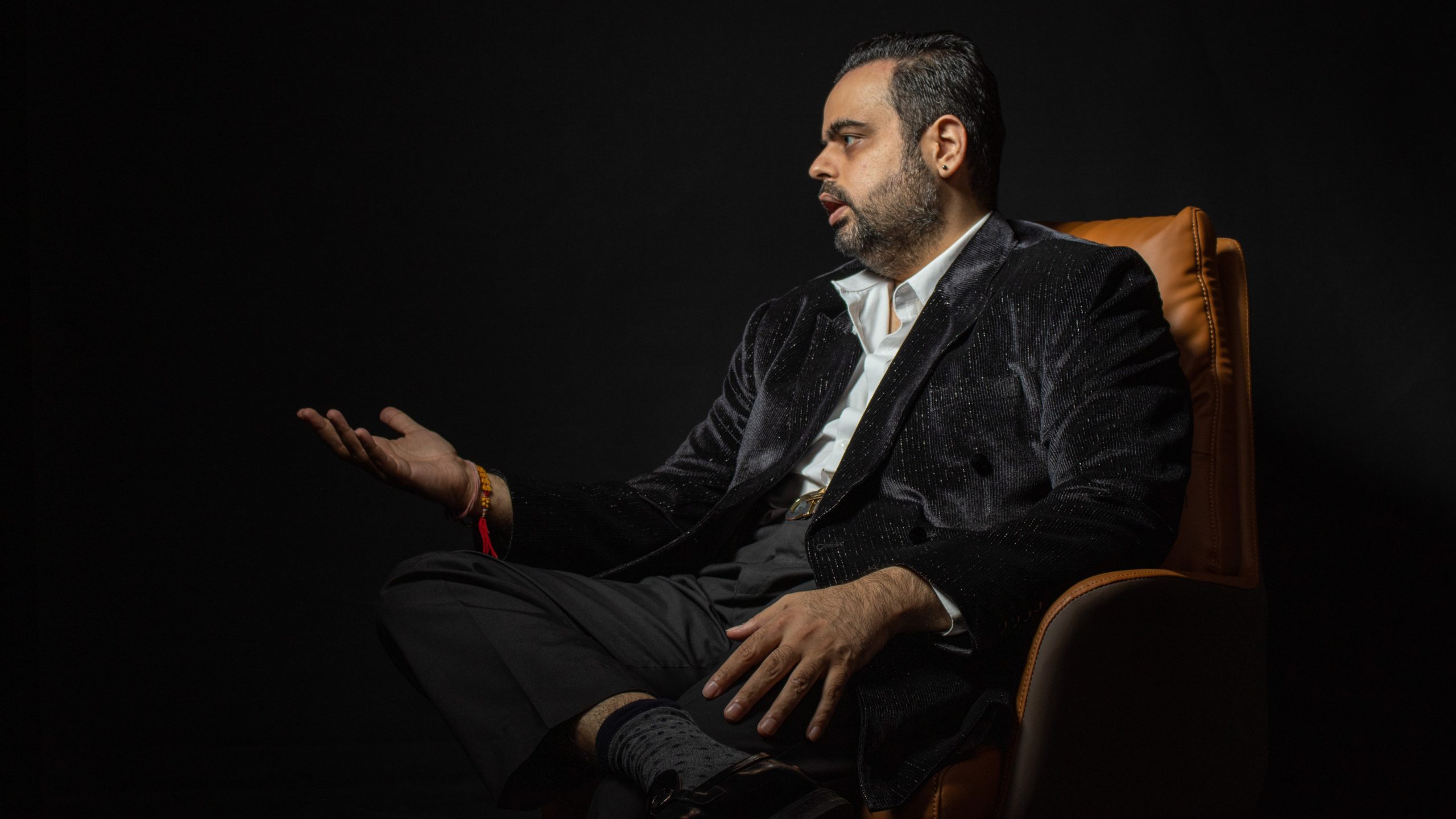
In the global race for artificial intelligence dominance, the spotlight typically falls on chips, talent, and capital. But Prateek Suri, the industrialist behind Maser Group and MDR Investments, is wagering on something far more elemental: land.
Over the past year, Suri has quietly assembled more than 1,800 acres of agricultural land across strategic African corridors, with plans to scale the footprint to nearly 20,000 acres. The objective is neither farming nor real estate development. Instead, the land bank is intended to underpin one of Africa’s largest privately controlled AI and data-centre campuses, a move analysts describe as both visionary and unusually bold.
Widely regarded as the richest Indian entrepreneur operating in Africa, with an estimated net worth of $1.9 billion, Suri’s thesis is disarmingly simple: the future of artificial intelligence will be constrained less by software than by physical infrastructure – space, energy, and sovereignty.
“AI doesn’t live in the cloud,” Suri said recently. “It lives on the ground—on land that can support energy, security, and scale.”
Unlike conventional data-centre developments clustered in dense urban zones, Maser’s approach targets expansive, low-density campuses. These sites are designed to host hyperscale AI workloads, sovereign data systems, fintech rails, and digital public infrastructure.
According to people familiar with the plans, the campuses are expected to integrate renewable power generation, advanced cooling technologies, and regionally anchored data storage, capabilities increasingly demanded by governments wary of foreign data dependence and cross-border data risks.

The strategy positions Africa not just as a consumer of global AI services, but as a physical host of the infrastructure that powers them.
The ambition, however, comes with material risk. In many African jurisdictions, converting agricultural land into non-agricultural or industrial-use zones requires multiple layers of regulatory approval. These often include No-Objection Certificates (NoCs) from local farmers and host communities.
If even a fraction of landholders withhold consent, large portions of acquired land could remain legally stranded; capital deployed, but undevelopable.
“What happens if you control 20,000 acres on paper, but only half is developable?” asked one regional policy analyst. “That’s the bet.”
Suri acknowledges the challenge but remains undeterred, arguing that geopolitical realities are shifting local incentives.
“Africa understands that data is power,” he said. “Communities know that digital infrastructure brings jobs, skills, and long-term relevance. This isn’t extraction—it’s participation.”
Investors appear aligned with that conviction. Ben Chia, a key shareholder and strategic partner, has reaffirmed continued backing for the platform, citing Suri’s “rare ability to invest ahead of the curve, not after it becomes consensus.”
Beyond commercial upside, the implications are geopolitical. As global technology firms and governments scramble for data localisation, AI sovereignty, and non-Western cloud capacity, Africa is emerging as a strategic frontier. Control of land suitable for AI infrastructure could soon rival ports, pipelines, and mineral rights in importance.
If successful, Suri’s land-first strategy may do more than reshape Maser Group. It could redefine how emerging markets claim agency in the AI era—by securing the ground before the code arrives.

