 Follow Us on Google News


 Follow Us on Google Discover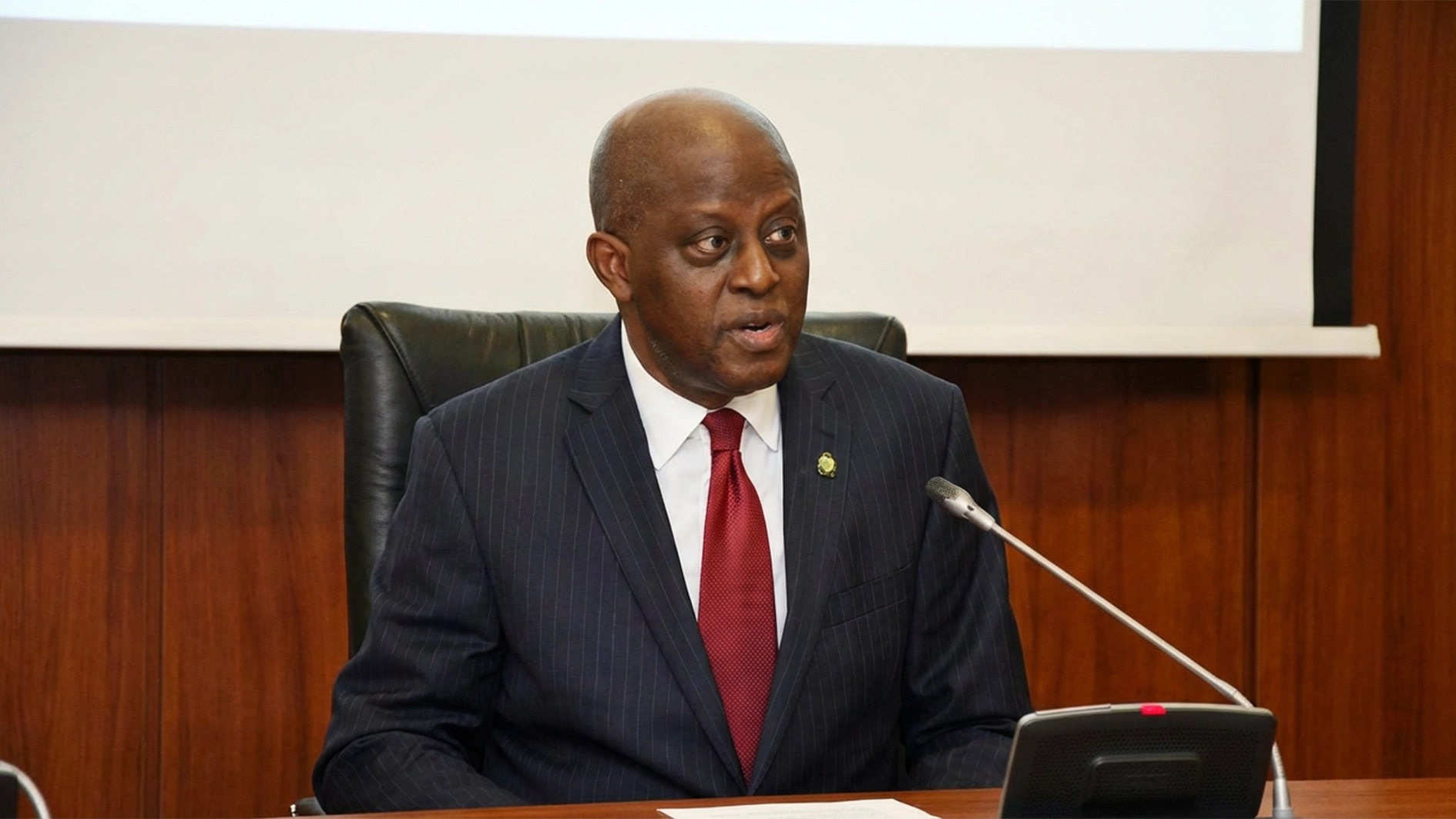
The Central Bank of Nigeria (CBN) and the Nigerian Communications Commission (NCC) have signed a far-reaching memorandum of understanding (MoU) to strengthen Nigeria’s digital economy, tighten fraud controls and enhance consumer protection across financial and telecommunications systems.
At the signing ceremony, the CBN Governor, Olayemi Cardoso, described the agreement as a practical statement of national interest, which underscores the growing interdependence between finance and telecommunications in an increasingly digital economy.
He said: “Across Nigeria, citizens and businesses now rely on digital channels to save, pay, trade and build their livelihoods.”
He noted that the reliability of the services depends on resilient telecom networks and secure data flows.
The pact comes amid rising digital adoption and a parallel surge in electronic fraud, prompting regulators to pursue tighter coordination and shared oversight.
“With this framework, we are strengthening our collective response to electronic fraud and improving consumer protection. The rise in digital adoption has also attracted increasingly sophisticated fraud schemes. Addressing these threats requires joint action, shared intelligence, clearer escalation paths, stronger operational readiness across regulated entities and consistent public education,” Cardoso said.

A major pillar of the agreement is the rollout of Telecom Identity Risk Management Portal, a data-sharing platform that tracks mobile number activity, including SIM swaps, recycled lines and flagged numbers.
The CBN helmsman hinted that, with the framework, regulatory collaboration would be predictable, coordinated and anchored in the public interest.
He stressed that consumers would benefit immensely, as those who experience issues such as airtime recharges that do not deliver value can be assured of prompt resolution.
According to NCC’s Executive Vice Chairman, Aminu Maida, the system will provide financial institutions with “real-time visibility” into telecom data, helping them detect and prevent fraud linked to compromised or reassigned phone numbers.
The move directly targets a key vulnerability in Nigeria’s digital finance sector, where mobile numbers serve as primary identifiers for banking and payments.
The MoU builds on the 2011 collaboration between the two regulators, including the resolution of the long-standing USSD debt crisis, which had threatened service continuity for banks and telecom operators.
The new agreement covers payment system stability amid the expansion of instant and QR-based payments, open banking and API integration, joint consumer-protection mechanisms and coordinated regulatory responses to emerging risks.

