 Follow Us on Google News


 Follow Us on Google Discover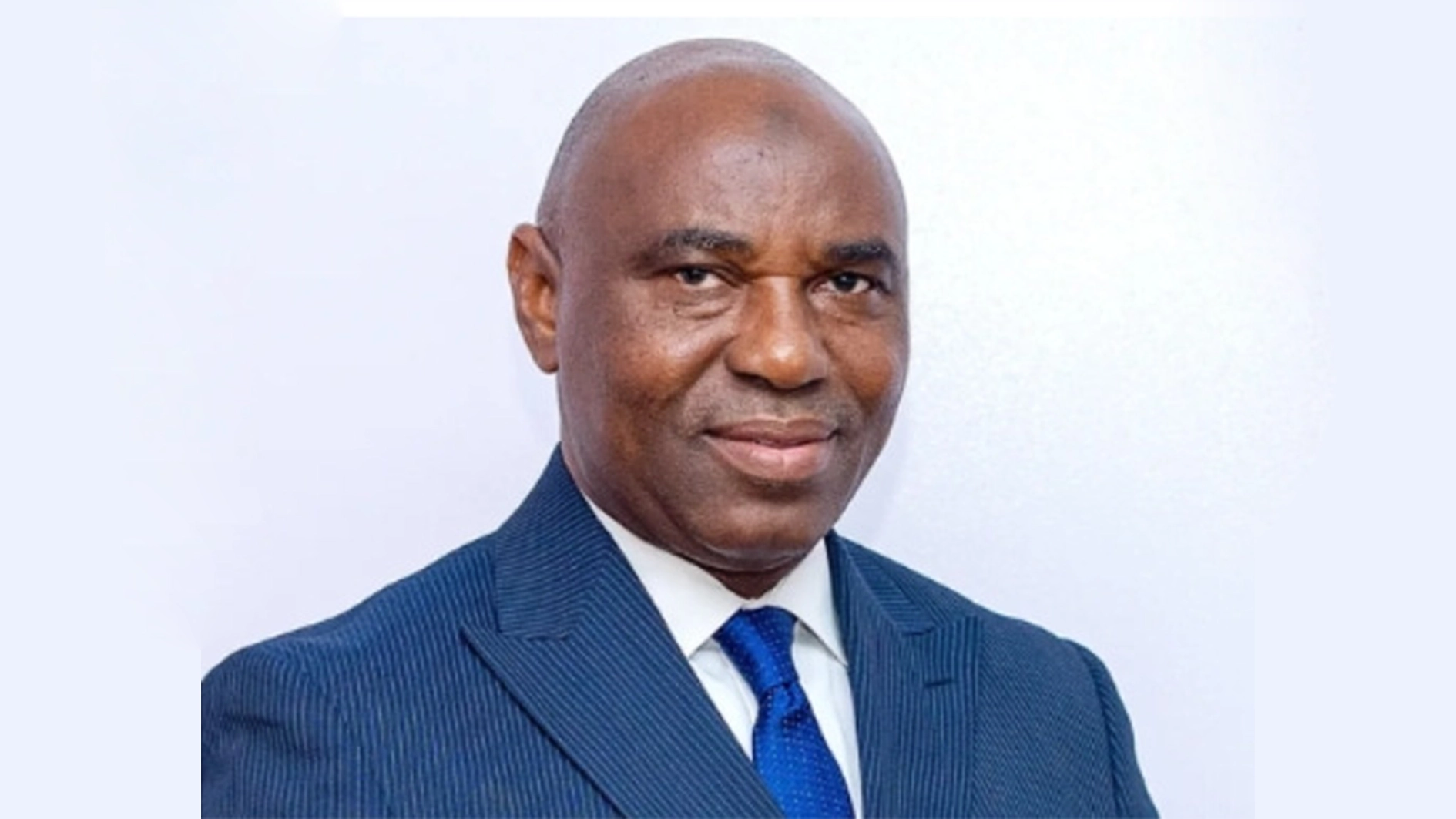
The Chartered Institute of Bankers of Nigeria (CIBN) has urged the Federal Government to adopt a multi-pronged approach to mitigate the impact of the United States-Iran war on the Nigerian economy, particularly rising petrol and food prices.
Speaking yesterday at the 19th Annual Banking and Finance Conference in Abuja, President/Chairman of Council, CIBN, Dr Dele Alabi, said the pass-through effects of the conflict were already weighing negatively on the economy.
He listed volatile crude oil and gas prices, higher costs of petrol, diesel, cooking gas and fertiliser, rising freight and logistics costs, exchange-rate pressures and shifts in capital flows as some of the direct impacts.
To minimise the effects, he called for closer coordination of fiscal, monetary and energy policies.
According to him, the government must support domestic production and food supply while providing targeted social protection for vulnerable households.
Alabi noted that some policies implemented over the past two years were beginning to yield results.

He particularly commended the Governor of the Central Bank of Nigeria (CBN), Olayemi Cardoso, for steering the banking recapitalisation exercise, which he said had strengthened the sector without casualties.
He said the N4.65 trillion raised in new capital provided an additional buffer against domestic and external shocks.
Alabi also noted that Moody’s Ratings had changed Nigeria’s outlook from stable to positive while affirming the sovereign rating at B3.
He added that FTSE Russell’s March 2026 Semi-Annual Country Classification Review indicated that Nigeria would be reclassified from Unclassified to Frontier Market status, effective September 21, 2026.
“Collectively, these are all important signals of stronger macroeconomic stability, improving investor confidence and the prospect of broader access to global capital.
“Yet they are milestones, not the destination,” he stated.
However, he stressed that whether stronger economic fundamentals would translate into lower living costs, more jobs, higher real incomes, affordable credit, reliable public services and reduced poverty remained to be seen.
He argued that macroeconomic progress must be felt at the micro level—in households, small businesses and the daily lives of ordinary Nigerians.
The CIBN boss said the next phase of reforms should focus on transmission, moving stability from national balance sheets to business balance sheets and household budgets.
He further stated that micro, small and medium enterprises (MSMEs) remained central to employment, enterprise and local value creation, lamenting that many were constrained by high operating costs, unreliable infrastructure, limited access to markets, low productivity, skills gaps and slow digital adoption.
In his goodwill remarks, the Managing Director of the Nigeria Deposit Insurance Corporation (NDIC), Thompson Oludare Sunday, said rapid technological advancement, cyber risks and climate-related concerns presented significant challenges but also created opportunities for innovation, growth and greater financial inclusion.
He said that, as the institution mandated to protect depositors’ funds and contribute to financial system stability, the NDIC recognised that resilience extended beyond the ability to withstand shocks.

