 Follow Us on Google News
 Follow Us on Google Discover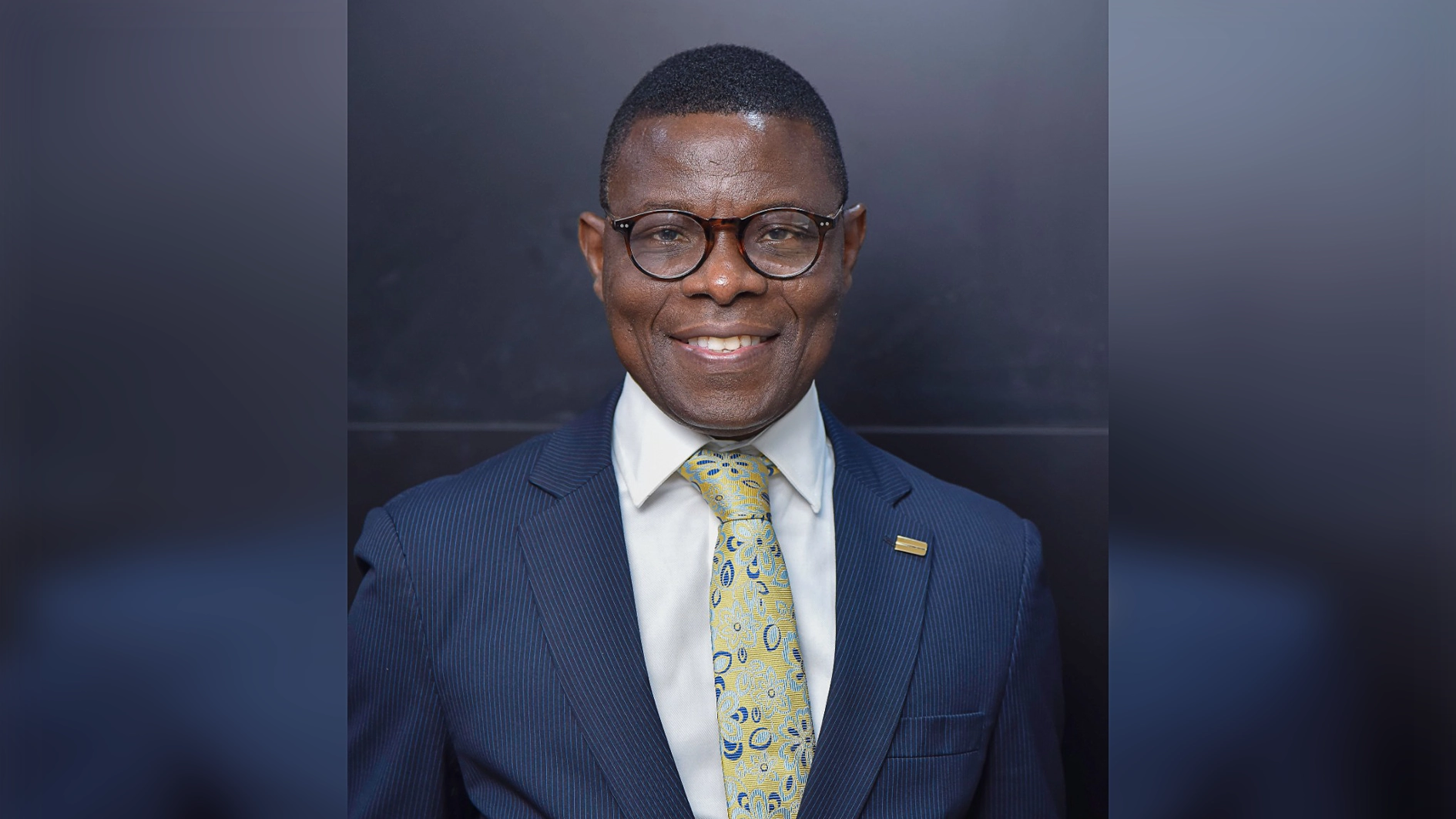
With shadow financial institutions posing an existential threat to brick-and-mortar banking, FCMB’s Divisional Head of Personal Banking, Tunji Lamidi, in this interview with GEOFF IYATSE, speaks on how conventional operators could leverage changing lifestyles of customers to reinvent personal banking as well as changing trends in digital transformation, financial inclusion, consumer lending and relationship building.
Retail banking has become one of the most competitive segments in the financial services industry. What are the strategies for staying ahead?
Personal banking has changed significantly over the years. Customers are more informed, more digitally savvy and increasingly expect banking services to fit seamlessly into their daily lives. They want convenience, speed and personalised experiences without necessarily visiting a physical branch.
At FCMB, our strategy is built around empowering customers to confidently realise their dreams. We have deliberately evolved from simply offering banking services to creating an integrated financial ecosystem that connects banking, payments, investments and lifestyle solutions. At the centre of this ecosystem is our digital platform, particularly the FCMB Mobile App, which enables customers to perform virtually every banking transaction on their mobile devices. At the same time, we continue to strengthen our physical presence through our agency banking network to ensure customers can access financial services wherever they are.
The strategy is anchored on delivering simplicity, convenience, trust and an unwavering spirit to serve. Ultimately, the goal is not merely to grow market share but to become the financial partner that customers rely on throughout their financial journey.
There are products for children, students, young professionals, entrepreneurs and affluent customers. What informs this segmentation strategy?
The philosophy is simple: bank customers early, grow with them and serve them for life. Rather than viewing customers solely through the lens of income, we consider the different stages of their lives and design solutions around their evolving needs. A child’s financial journey may begin with a Kid Account, which encourages parents to cultivate saving habits from an early age. As that child progresses into tertiary education, Flexx Account becomes relevant, providing banking services tailored to students and serving as one of the approved accounts for accessing the student loan scheme.

As customers begin their careers, our Classic Account supports their financial independence through savings, salary-linked products and convenient access to credit. Entrepreneurs and professionals can then transition into a premium banking proposition, while affluent customers enjoy more personalised wealth management solutions. The lifecycle approach allows us to build enduring relationships rather than transactional ones. We want customers to feel that wherever they are in life, FCMB has products and services that remain relevant to their aspirations.
Financial inclusion remains a national priority. How is the bank helping to bring more Nigerians into the formal financial system?
Financial inclusion has been part of FCMB’s strategy for over a decade. When Nigeria began implementing its National Financial Inclusion Strategy, we recognised that millions of Nigerians, particularly traders, artisans and micro-business owners, remained outside the formal banking system because traditional banking simply did not reflect their realities.
That understanding informed the creation of our Mass Market Banking Division and the expansion of our agency banking model. Rather than expecting customers to come to us, we take banking directly to their communities. Today, our network of over 50,000 banking agents enables customers to open accounts, deposit and withdraw funds, transfer money and access other financial services close to where they live and work.
Financial inclusion is about much more than opening accounts. It is also about creating opportunities for economic growth. Through our micro-lending initiatives, we have provided financing to over one million customers, the majority of whom are women operating small businesses. Working with partners such as the Mastercard Foundation, we have also expanded affordable financing for vulnerable communities, helping thousands of entrepreneurs build sustainable livelihoods.
For us, financial inclusion means ensuring that every Nigerian, regardless of income or location, has access to appropriate financial services that improve their quality of life.
Digital banking has become the defining feature of modern retail banking. How does the bank leverage technology to improve customer experience?
Technology is central to everything we do in personal banking. Today’s customers expect banking to be available anytime, anywhere and it is our responsibility to meet those expectations through intuitive and secure digital solutions. The mobile app has evolved into a comprehensive financial platform where customers can open accounts, transfer funds, pay bills, access loans, manage cards and invest, all within a single ecosystem.
Beyond convenience, technology also enables us to better understand our customers. By leveraging data responsibly, we can develop more personalised propositions, improve customer engagement and make faster lending decisions. Digital transformation has also significantly improved our ability to scale consumer lending. Eligible customers can access instant loans via digital channels without visiting a branch, while automated credit assessment helps us make responsible lending decisions quickly.
Technology is equally critical to our financial inclusion agenda. Our agency banking platform connects thousands of agents directly to our core banking infrastructure, extending financial services into communities where traditional banking infrastructure may not exist.
Ultimately, technology enables us to deliver banking that is simpler, more responsive and more relevant to the needs of today’s customers.
Access to consumer credit remains a challenge for many Nigerians. How are the banks addressing this?
The philosophy is to broaden access to credit while maintaining responsible lending standards. We recognise that access to finance enables individuals to meet important life goals — whether that involves paying school fees, expanding a business, purchasing a vehicle or owning a home. However, lending must also be sustainable for both the customer and the bank. This is why our credit strategy balances accessibility with responsibility.
Through products such as FastCash, eligible customers can access instant digital loans based on their transaction history and repayment capacity. Salary earners also benefit from Salary Plus Loans and other structured lending solutions that support major life milestones over manageable repayment periods.
Beyond individual lending, we continue to support entrepreneurs through working capital facilities while expanding affordable mortgage solutions for eligible customers. The objective is to make credit more accessible, faster and more convenient without compromising prudent risk management.
We have seen how digitalization and automation have raised the bar of personal banking. What do you think will shape product offering going forward?
The future of personal banking will be shaped by deeper digital integration, greater personalisation and stronger financial ecosystems. Customers will increasingly expect their financial institutions to anticipate their needs rather than simply respond to them. Banking will become even more embedded in everyday life, with digital platforms serving as the primary point of engagement. We are positioning ourselves for that future by strengthening our digital-first strategy while continuing to invest in customer relationships across every stage of life.
We are also deepening integration across the group so customers can seamlessly access banking, investments, pensions, trusteeship and other financial solutions through a single trusted relationship. Equally important is our commitment to expanding financial literacy and inclusion. Millions of Nigerians still require access to both financial services and financial education and we see that as a responsibility we must continue to embrace.
Our ambition is straightforward: to be the financial institution that meets customers wherever they are in life and helps them confidently achieve where they want to go. That commitment continues to guide our personal banking strategy and will remain at the heart of everything we do.

