 Follow Us on Google News
 Follow Us on Google Discover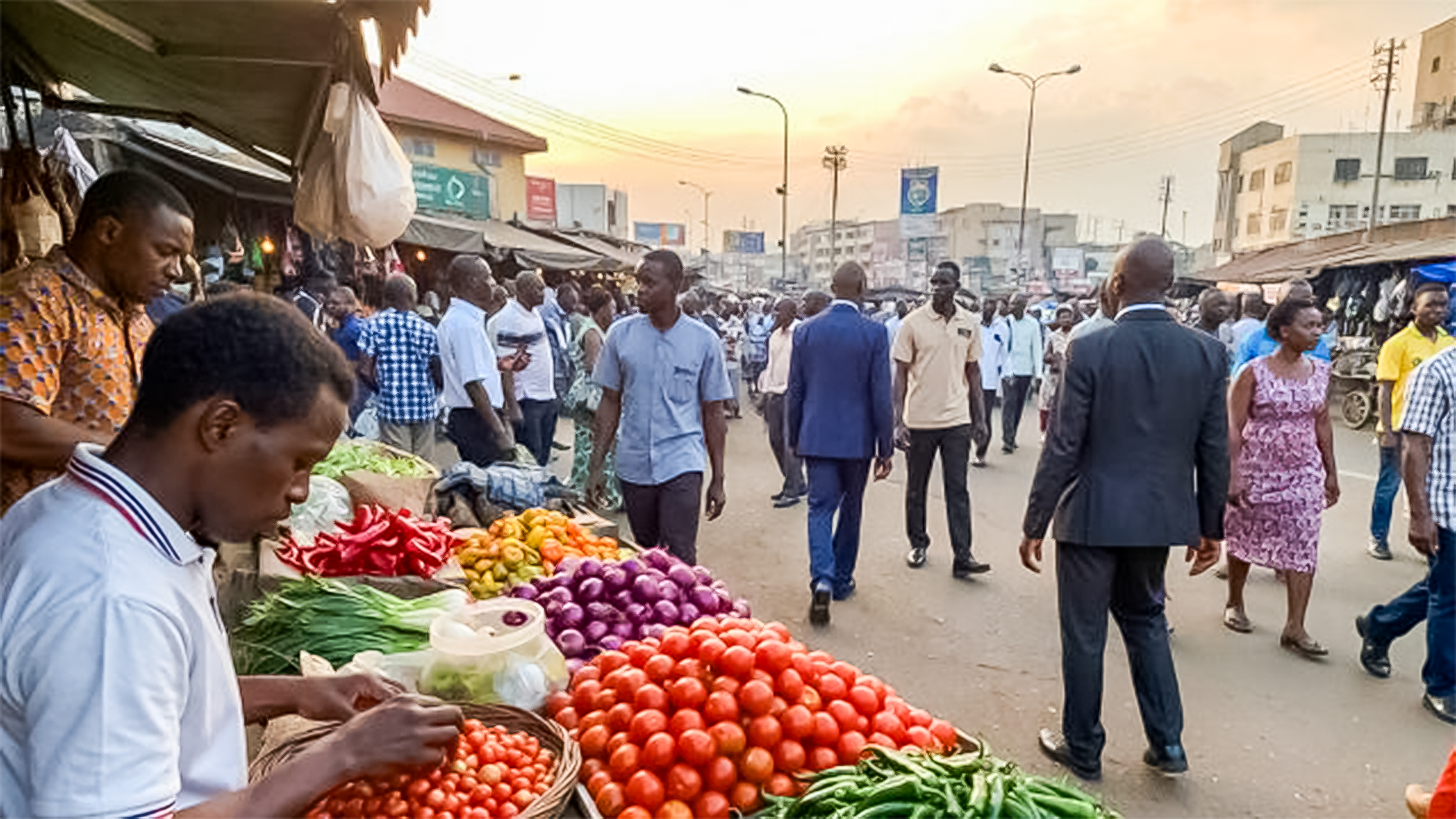
The World Bank Group said the ongoing war in the Middle East has triggered a surge in global commodity prices, projecting a 16 per cent increase in 2026, with up to 45 million additional people in Nigeria and other developing countries likely to face acute food insecurity.
In its latest Commodity Markets Outlook, the World Bank said the surge marks the first yearly increase since 2022 and could significantly worsen inflation and growth prospects for developing economies.
The World Bank report noted that global commodity prices are now expected to remain about 25 per cent higher than forecast in January 2026, driven largely by supply disruptions affecting energy and fertiliser markets.
According to the report, fertiliser prices are expected to jump by 31 per cent, while energy prices are projected to rise by 24 per cent in 2026.
Also, metals and minerals prices are forecast to increase by 17 per cent, supported by tight supplies and strong industrial demand, while precious metals are projected to soar by 42 per cent to record highs.
In contrast, the report stated that agricultural commodity prices are expected to decline by six per cent this year due to a sharp 30 per cent drop in beverage prices, particularly cocoa and coffee, despite a two per cent increase in food prices.

The World Bank warned that the latest geopolitical crisis could deepen economic hardship across Emerging Market and Developing Economies (EMDEs), where growth forecasts have already been revised downward from four per cent to 3.6 per cent for 2026.
The report’s inflation projections have also worsened significantly as the bank noted that before the latest price shocks, inflation in EMDEs was expected to ease to 4.1 per cent this year, but it is now forecast to average 5.1 per cent.
The World Bank further warned that prolonged high oil prices could worsen global food insecurity, with early estimates from the World Food Programme indicating that if crude oil prices remain above $100 per barrel for an extended period, up to 45 million additional people could face acute food insecurity.
According to the report, oil markets recorded some of the sharpest increases during the first quarter of 2026.
The report stated that Brent crude surged from $72 per barrel at the end of February to $118 by the end of March, representing a 65 per cent monthly rise and the largest increase on record.
The sharp rise, the bank stated, followed disruptions to oil shipments through the Strait of Hormuz and attacks on regional energy infrastructure.
Although prices eased after a ceasefire announcement in April, the bank stated that Brent crude remained more than 50 per cent above its level at the start of the year.
The World Bank projects Brent crude to average $86 per barrel in 2026 before easing to $70 per barrel in 2027, if supply disruptions subside within the second quarter of the year.
The World Bank also stated that natural gas prices climbed sharply amid intense global competition for liquefied natural gas (LNG) as Asian LNG benchmark prices surged by 94 per cent in March, while European natural gas prices rose by 59 per cent during the same period.
According to the report, European natural gas prices are projected to increase by about 25 per cent in 2026 before declining by 20 per cent in 2027 as supply conditions improve.
In the United States, benchmark gas prices are expected to rise by eight per cent this year and five per cent next year, the bank stated.
The fertiliser market has also come under pressure, with the World Bank’s fertiliser price index rising more than 12 per cent in the first quarter of 2026, reaching its highest monthly level since 2022.
The World Bank attributed the increase largely to the closure of the Strait of Hormuz, which disrupted exports of fertilisers and raw materials, while urea prices recorded the strongest gains among fertiliser products.
Meanwhile, the World Bank’s metals and minerals price index rose 13 per cent in the first quarter of 2026 and is expected to climb by 17 per cent for the year, driven by supply concerns and strong demand from emerging industries.
Also, the report stated that aluminium prices are projected to rise by about 22 per cent in 2026 due to the Middle East’s critical role in global supply, while copper prices are also expected to remain elevated.
The report showed that precious metals emerged as one of the biggest gainers, with gold, silver and platinum prices reaching record highs in the first quarter of 2026 amid heightened geopolitical tensions and safe-haven demand.
The World Bank projects precious metals prices to surge by 42 per cent in 2026 before easing by eight per cent in 2027.
The report, however, warned that higher transport costs, elevated fertiliser prices and possible extreme weather conditions could still push food prices higher and worsen food insecurity in vulnerable economies.

