 Follow Us on Google News


 Follow Us on Google Discover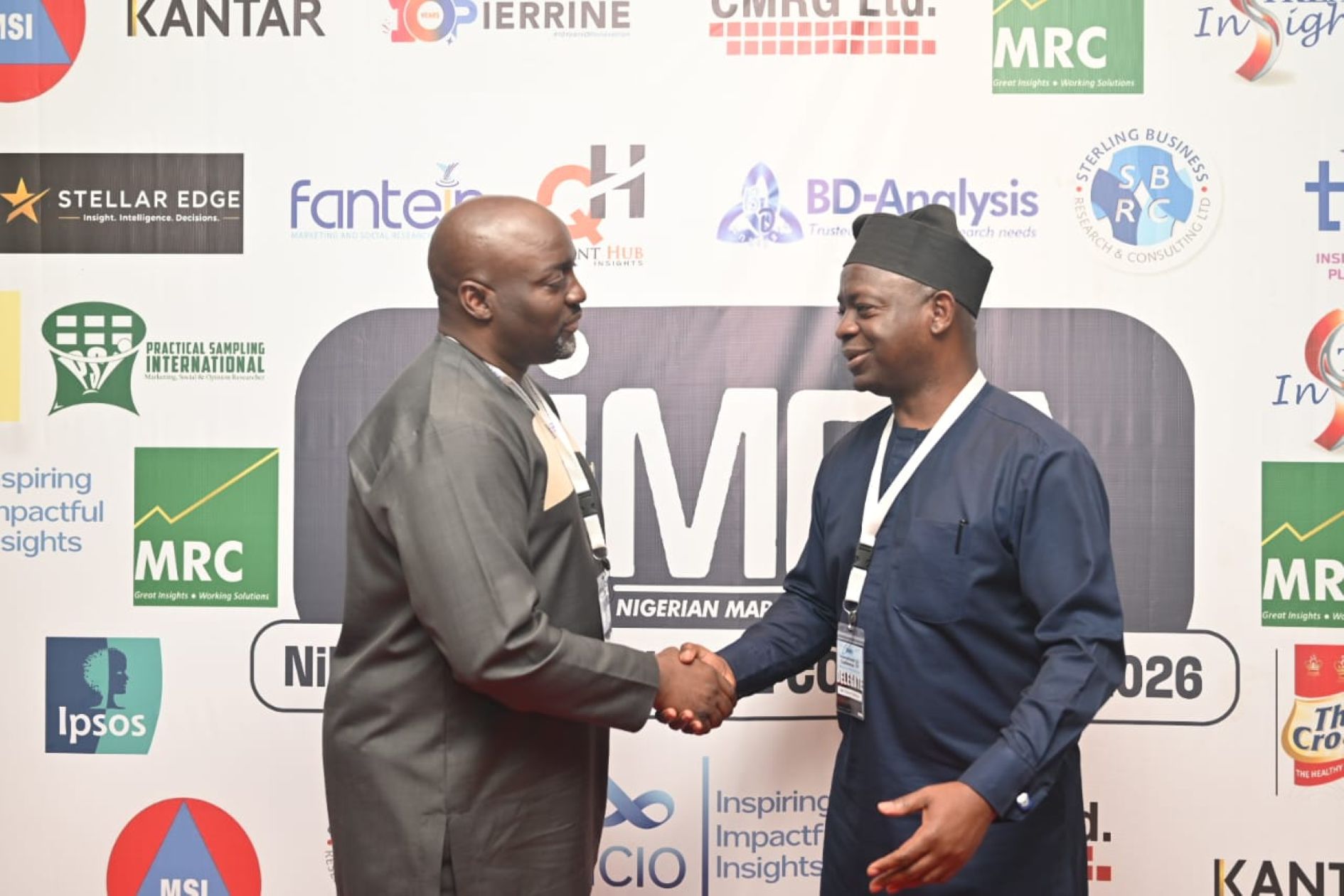
Businesses, policymakers and institutions have been urged to rely more on consumer and social intelligence to navigate Nigeria’s changing economic realities, as industry leaders warned that assumptions are becoming increasingly risky in a fast-evolving marketplace.
The call was made at the 2026 International Conference of the Nigerian Marketing Research Association (NiMRA), where stakeholders examined how a deeper understanding of consumer behaviour and societal trends can help organisations make better decisions, remain competitive and achieve sustainable growth.
Speaking at the conference, NiMRA President, Seyi Adeoye, said rising living costs, shifting spending patterns, increased digital adoption and growing social consciousness have significantly altered consumer behaviour, creating new challenges for businesses and institutions.
According to him, organisations that will succeed in the coming years will not necessarily be the biggest, but those that understand people the best.
“In this environment, assumptions have become increasingly risky, while understanding has become more valuable than ever,” he said.
Adeoye noted that consumer intelligence helps organisations understand what people do, what they value and how their decisions are changing, while social intelligence provides insight into the broader cultural, economic and technological forces shaping those decisions.

“Together, they help businesses anticipate change rather than merely react to it. They empower leaders to make better decisions, develop more relevant products and services, strengthen customer relationships and create sustainable growth,” he said.
Adeoye explained that the conference theme, ‘Consumer and Social Intelligence as Transformative Power,’ was inspired by major shifts in consumer realities and the broader socio-economic environment since last year’s edition.
Adeoye said NiMRA is placing greater emphasis on preparing young professionals for the future of the industry through partnerships with universities and stronger recruitment pipelines across member organisations.
He also identified artificial intelligence (AI) as one of the most significant developments shaping the profession, describing it as an accelerator rather than a replacement for human expertise.
While noting that Nigerian research firms and clients are increasingly embracing AI, Adeoye stressed the need for human oversight and responsible use of the technology.
He also called for closer collaboration between private-sector research organisations and public institutions to strengthen evidence-based decision-making and improve governance.
According to him, governments can make better policies when they continuously gather and analyse feedback from citizens before, during and after interventions, ensuring that programmes address the needs of the people they are designed to serve.
Vice President of NiMRA, Ajibike Seun Ajayi, said this year’s conference was designed to be more focused and practical, with discussions centred on how consumer insights can improve products, services and decision-making.

