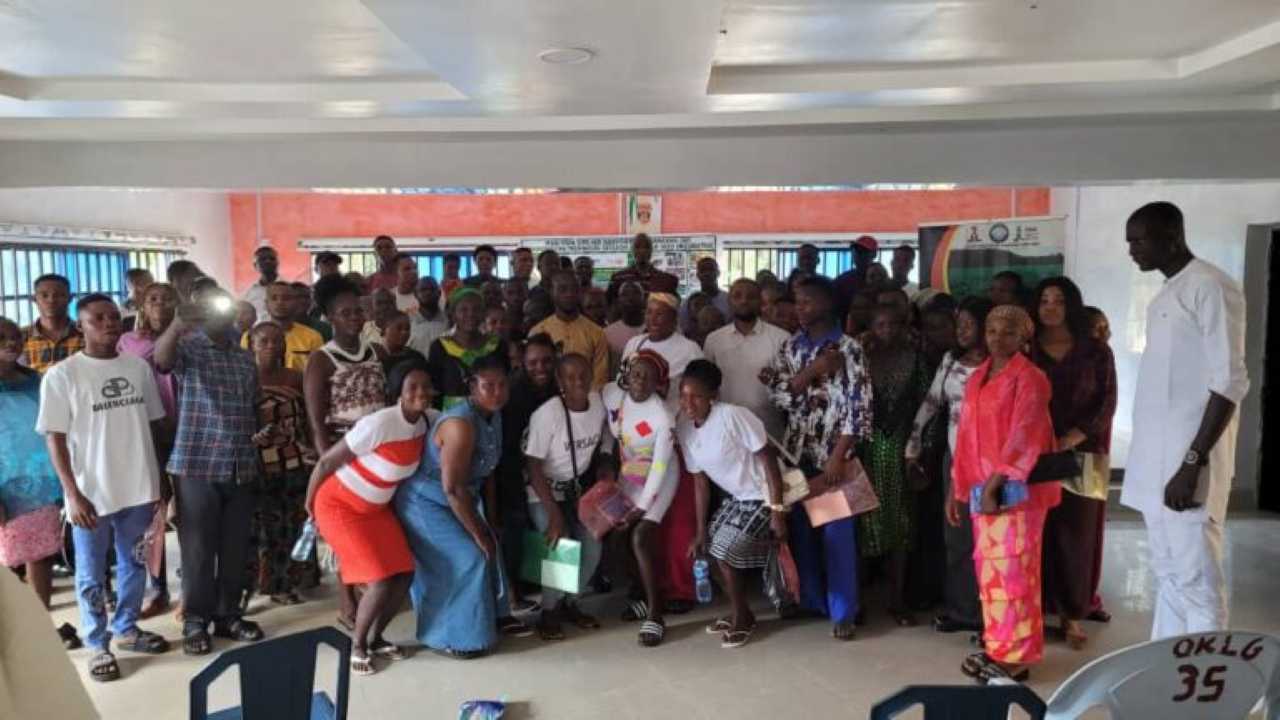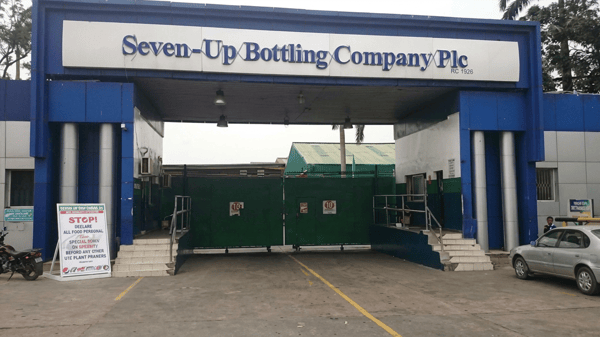
About 2.5 million tones of plastic waste were generated by no fewer than 400 community members who participated at the Seven-Up Bottling Company’s (SBC) Sustainability Week 2025 in Apapa-Iganmu Local Council Development Authority (LCDA), Lagos State.
The initiative held at the Oba’s Palace in Ijora Kingdom was organised in collaboration with key sustainability stakeholders, including Apapa/Iganmu LCDA, Food and Beverage Recycling Alliance (FBRA), Lagos State Waste Management Authority (LAWMA), Sonnex, the Recyclers Association of Nigeria, among others.
With the theme: “Impacting Positively On People, Planet and Profit”, the 2025 Sustainability Week held at SBC’s Regional Plants across Nigeria with several community engagements including Plastic For Waste Initiative, Green Skills Bootcamp and advocacy visits to traditional rulers and community leaders.
Speaking during the event, Head of Legal and Corporate Affairs, SBC, Nkemdirim Agboti, emphasised the importance of private–public partnerships in fostering community development, reaffirming Seven-Up Bottling Company’s deep-rooted connection to Ijora.
Speaking also at the event, Head of the Sustainability Unit, SBC, Lovelyn Okoye, emphasised that two of SBC’s core sustainability pillars: Circular Economy and Community Empowerment, serve as the driving force behind the Plastic Waste-Take-Back Initiative, underscoring the vital role of public involvement in advancing sustainable plastic waste management and Nigeria’s broader circular economy vision.
Okoye further noted that the take-back initiative is being implemented across all SBC Regional Plants nationwide as part of the organisation’s 2025 Sustainability Week.
She commended the Apapa-Iganmu LCDA Chairman for ensuring the active participation of the specially-abled community, a gesture she described as a clear reflection of the LCDA’s commitment to inclusion.
Sustainability Manager, Food and Beverage Recycling Alliance (FBRA), Yejide Abifarin, added that all plastic containers are eligible for recycling or upcycling, explaining that the initiative not only removes waste that could block drains and canals, but supports the organisations Extended producer responsibility (EPR).