 Follow Us on Google News
 Follow Us on Google Discover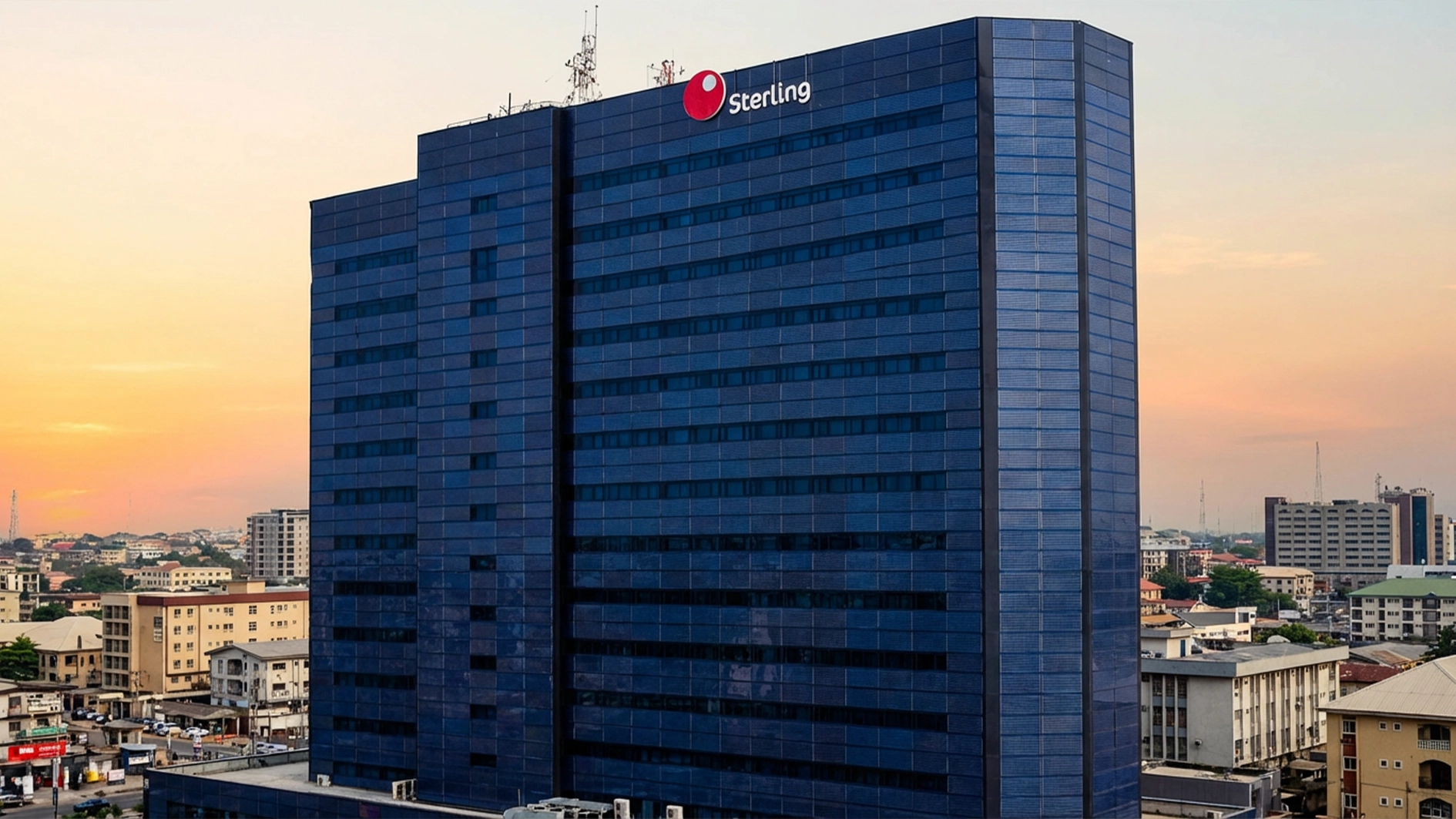
Sterling Bank has disclosed that its financing across its priority HEART sectors rose by 39 per cent to N331.7 billion in 2025, as the lender renewed its push to position agriculture as a major driver of Africa’s economic growth.
The bank’s Group Executive, Corporate and Investment Banking, Dele Faseemo, disclosed this at a press conference in Lagos to announce the ninth edition of Agriculture Summit Africa (ASA), scheduled for September 15 and 16 in Abuja.
The summit, convened by Sterling Bank, will focus on building Africa’s capacity to move from dependence on food imports to a stronger and more competitive agricultural economy.
Faseemo said agriculture remained central to Sterling’s HEART strategy, which covers Health, Education, Agriculture, Renewable Energy and Transportation, stressing that the bank was backing businesses operating across the agricultural value chain.
“When Sterling talks about agriculture, we are speaking as a bank that puts its balance sheet where its convictions are; behind the farmers, processors, off-takers and agribusinesses doing the hard, unglamorous work of turning Nigeria’s land into livelihoods,” he said.
Also speaking, Sterling Bank’s Group Head, Agric Finance and Solid Minerals, Dr. Olushola Obikanye, said Africa’s large agricultural potential presented a significant economic opportunity despite the continent’s continued dependence on food imports.

He said Africa holds about 60 per cent of the world’s uncultivated arable land but spends tens of billions of dollars annually importing food it could produce locally.
“Food is jobs. Food is trade. Food is foreign exchange, industrial policy, climate resilience, and increasingly, geopolitical power,” Obikanye said.
He added that the continent that feeds itself and competes globally would “hold real strategic weight.”
The speakers identified finance, quality inputs, mechanisation, storage, logistics and market access among the challenges limiting agricultural growth in Nigeria, alongside high post-harvest losses.
Principal Country Officer for Nigeria at the International Finance Corporation (IFC), Christian Mulamula, said transforming agriculture required more than increasing production, noting that farmers and agribusinesses needed access to finance, technology, infrastructure and markets.
“ASA is a platform for bringing together policymakers, investors, financial institutions, agribusinesses, technology providers, and development partners to accelerate investment and strengthen Africa’s food systems,” he said.
The two-day summit, themed “Building the Next Superpower: Africa’s Food Power Play,” will bring together policymakers, investors, development finance institutions, agribusinesses and technology providers to explore stronger agricultural value chains, financing, innovation, food processing, storage and intra-African trade.
It will also feature high-level plenary sessions, investment deal-making rooms, innovation showcases and cross-border trade roundtables, with the organisers positioning the gathering as a platform to connect capital with opportunities across the agricultural value chain.

