
 Get Guardian on Google
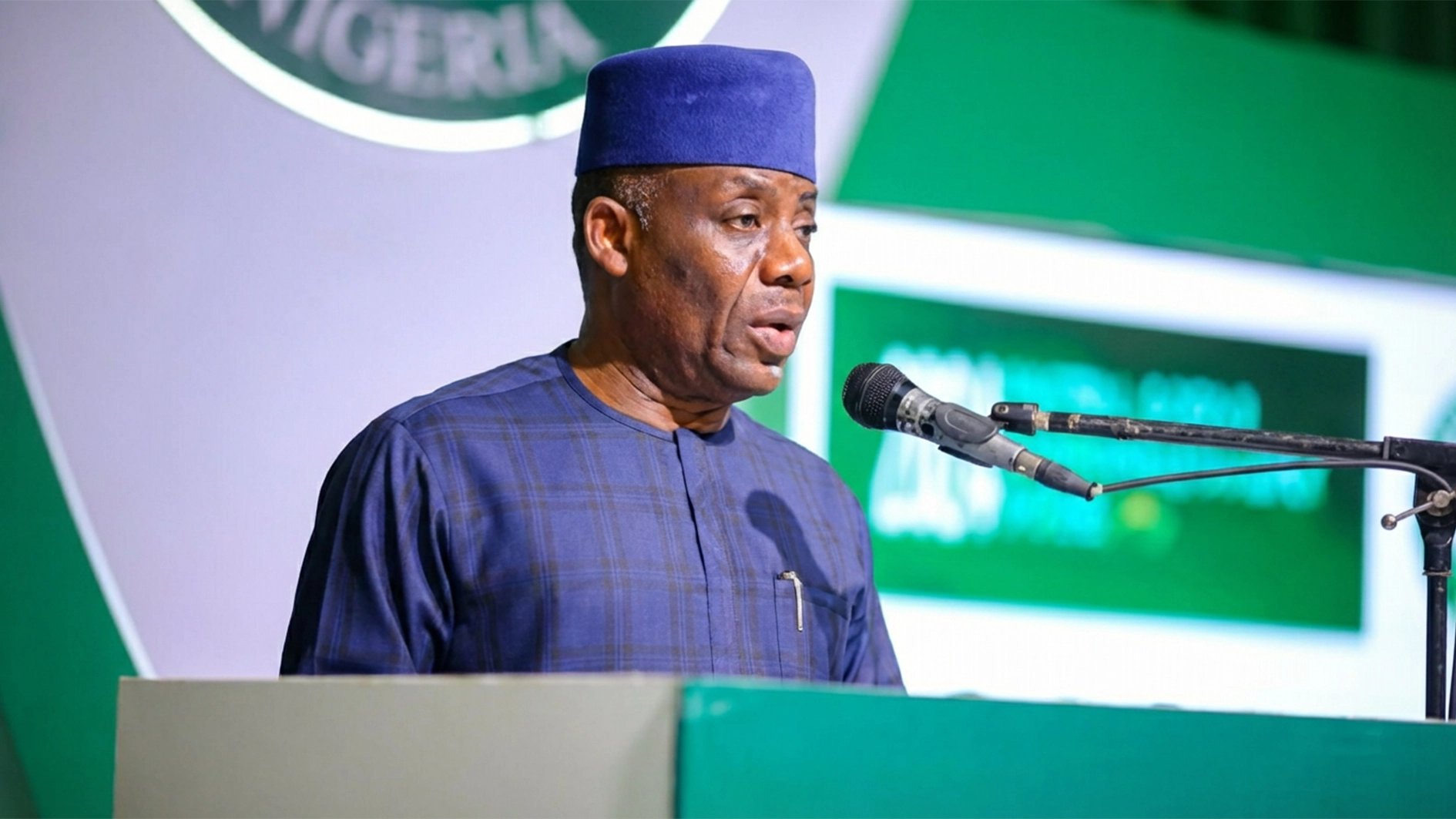
The Minister of Education, Dr Tunji Alausa, has said the Federal Government has met 100 per cent of the demands of the Academic Staff Union of Universities (ASUU), citing improved university rankings, increased funding and a stable academic calendar as evidence of progress in the education sector.
Alausa also disclosed that the number of Nigerian universities featured in global rankings had increased from 14 to 29, with nine more institutions entering the global top 1,200 within three years of President Bola Tinubu’s administration.
The minister spoke on Channels Television while reviewing the Federal Government’s achievements in the education sector. He said the number of ranked Nigerian universities had remained stagnant before the current administration, adding that efforts to strengthen tertiary institutions and improve the quality of education were beginning to yield results.
According to him, the benefits of the government’s interventions extend beyond the agreement reached with ASUU, as a stable academic environment has helped inject more than ₦500 billion into the economy.
He said students now remain in school throughout the academic year, with uninterrupted academic sessions, rather than losing valuable learning time to prolonged industrial disputes.
“Over ₦500 billion has been injected into the economy just based on a stable tertiary education environment,” Alausa said.
The minister also highlighted the impact of the Nigerian Education Loan Fund (NELFUND), which he said had disbursed nearly ₦370 billion, including about ₦192 billion in student stipends.
He explained that beneficiaries receive approximately ₦25,000 each, noting that some students send part of their stipends to their parents to support their families.
Alausa described the arrangement as an additional social safety net, saying the intervention was providing financial relief to students while indirectly supporting households.
On technical and vocational education, he said the government had restored the sector to a central position in the country’s education system, with an additional ₦100 billion injected to support its revival.
He said the investment was part of efforts to rebuild technical education, strengthen skills development and equip young Nigerians with practical competencies required by the economy.
The minister also outlined measures introduced to improve the welfare of academic and non-academic staff in tertiary institutions.
He said the government had established a support package through which eligible university workers could access interest-free loans of up to ₦10 million under the Tertiary Support Fund.
According to him, the loans are intended to help staff meet important personal and family needs, including securing accommodation, building houses, establishing small businesses, paying medical bills and financing their children’s education.
Alausa disclosed that approximately ₦30 billion had so far been provided in interest-free funding, benefiting more than 15,000 academic and non-academic staff.
He said the interventions reflected the government’s commitment to improving conditions in tertiary institutions, supporting university workers and ensuring that students could complete their academic programmes without disruption.
The minister maintained that a stable university system was essential to improving the quality of education, strengthening the economy and restoring confidence in Nigeria’s tertiary institutions.
Editorial note: The headline’s claim that the government has met 100 per cent of ASUU’s demands should be supported by a direct statement from Alausa or details of the demands and their implementation. The supplied copy does not include those details, so the claim should remain clearly attributed to the minister. Also, verify the figures on university rankings, NELFUND disbursements and the Tertiary Support Fund before publication.