• South-West marks 70 years of Universal Basic Education
• Urges renewed vision, funding, innovation
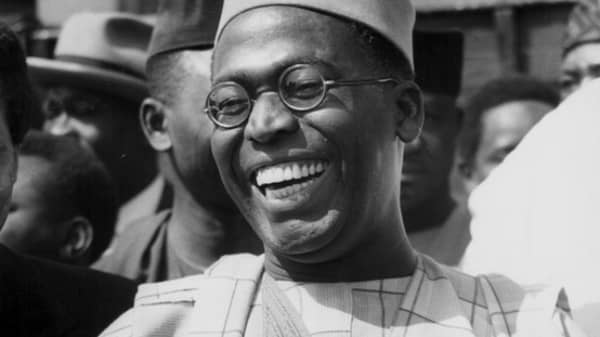
Seventy years after the late Chief Obafemi Awolowo launched the landmark Universal Primary Education (UPE) programme in 1955, stakeholders in the South-West, yesterday, called for the formal declaration of January 17 as Free Education Day to honour the region’s most transformative social policy and to mobilise renewed commitment to basic education.
The call was made at a commemorative symposium organised by the Development Agenda for Western Nigeria (DAWN) Commission at Cocoa House, Ibadan, where scholars, policymakers, activists and cultural leaders gathered to reflect on the past, interrogate current challenges and chart a future for education in the region.
The event, themed “Retrospections and Projections,” marked 70 years since the introduction of universal basic education in the Western Region—a milestone many speakers described as both a moment of pride and a sober reminder of how far the region has drifted from its pioneering leadership.
DAWN Commission Director-General, Dr Seye Oyeleye, who led the advocacy, said January 17, 1955—the date free primary education commenced in the Western Region—should be formally commemorated to reinforce its historic significance.
Other speakers stressed that the region must urgently reinvent its education model to keep pace with global trends. Also, former OYOSUBEB Chairman and EU Education Consultant, Dr Suleiman Adediran, lamented that the South-West had “lost focus,” adding that emerging technologies—particularly Artificial Intelligence—must now redefine learning.
Similarly, Head of the Department of Childhood Education, Tai Solarin Federal University of Education, Ogun State, Prof. Adefunke Ekine, said that the region had been performing poorly in early childhood development, with only 36.6 per cent of children aged 0–6 receiving proper foundational learning.
“If the South-West wants to truly lead, funding must be provided,” she said. “Early childhood is the answer. The time to act is now.” She also backed the Free Education Day proposal, saying it would inspire future generations.
Chairman of Afenifere Renewal Group, Wale Oshun, described himself as “one of the early beneficiaries of Awo’s free education,” recalling that the 1955 programme succeeded because it was anchored on meticulous planning.
Representing the Ajasin family, Wole Aina highlighted the contributions of Chief Adekunle Ajasin, one of the key architects of the original blueprint, saying the region must return to the bottom-up approach that once sustained its educational excellence.
“UBE policies work best when built from the bottom up,” he said. Ogun State Commissioner for Education, Prof. Abayomi Arigbabu, said the 70th anniversary should serve as a moment for sober reflection.
“The legacy of free education remains a reminder of what visionary leadership can accomplish,” he said, calling for improved funding, better infrastructure and stronger regional collaboration.
Education consultant, Ola Opesan, whose book, “On ’55 We Stand,” was previewed at the event, said the region must confront the drastic collapse in education financing.
Renowned filmmaker, Tunde Kelani, another beneficiary of Awolowo’s reforms, recounted how he learnt all his subjects in Yoruba.