Retired professors in recognised public universities across the country will now be entitled to pension benefits equivalent to their annual salaries, the new agreement between the Nigerian government and the Academic Staff Union of Universities (ASUU) has revealed.
Specifically, the pact pointed out that an academic staff member who retires at the rank of professor will receive a pension calculated at 100 per cent of his or her annual salary, marking a significant improvement in post-service welfare for senior academics.
The agreement, however, stipulates that only professors who served uninterruptedly in a recognised university until reaching the mandatory retirement age will qualify.
The 35-page document, obtained by The Guardian, also fixed the retirement age for Professorial Cadre at 70 years.
Section 3.6 of the agreement, which addresses pension entitlements for university academic staff, pension fund administration and compulsory retirement age, states that: “An academic staff who retires as a professor in a recognized university shall be entitled to pension at a rate equivalent to his annual salary provided that the professor has served continuously in a recognized University up to the retirement age.”
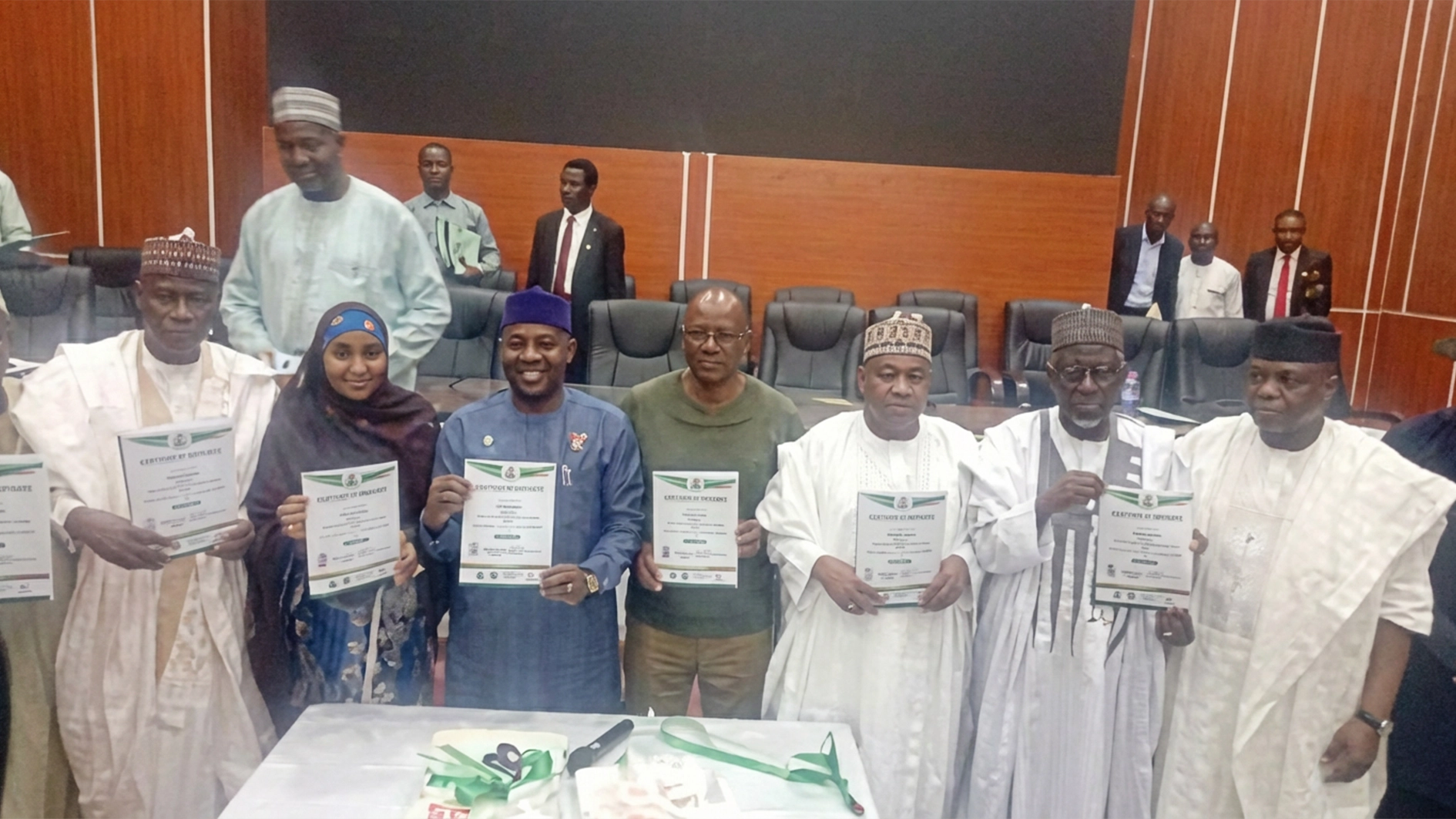
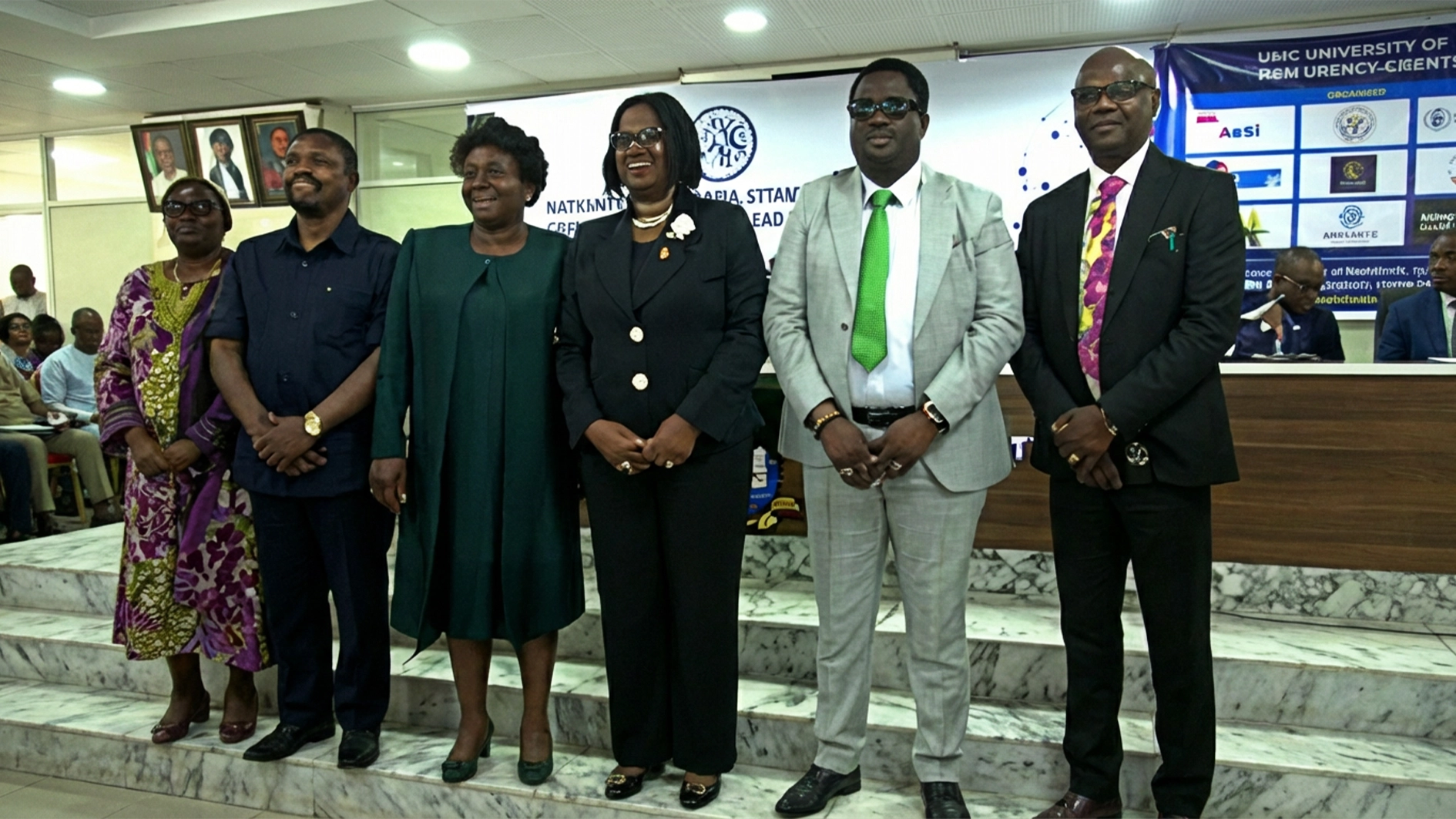
Stakeholders who spoke at the unveiling of the agreement on Wednesday in Abuja said these provisions are aimed at rewarding decades of teaching, research and administrative service rendered by professors, while also boosting morale within the university system.
According to them, it is expected to encourage career progression, help retain experienced scholars, and checkmate the Japa syndrome plaguing the country’s tertiary institutions.
In 2025, ASUU had raised the alarm that no fewer than 309 professors had left the country’s public university system in one month.
Also, Section 3.4 of the agreement, which focuses on ‘Non-salary conditions of service’, makes provision for six-month maternity leave as a fringe benefit.
“Qualified female academic staff shall be entitled to a Maternity Leave of six months as provided in the subsisting Public Service Rules,” Section 3.4(vii) reads.
The Guardian reports that a defining feature of the agreement is the introduction of a new Professorial Cadre Allowance for full-time Professors and Readers.
Under the arrangement, Professors will receive ₦1.74 million per annum, equivalent to ₦140,000 monthly, while Readers will earn ₦840,000 per annum, or ₦70,000 monthly.
The allowance, which does not apply to part-time academics, is designed to support research coordination, academic documentation and administrative efficiency, enabling senior scholars to focus more on teaching, mentorship and innovation.
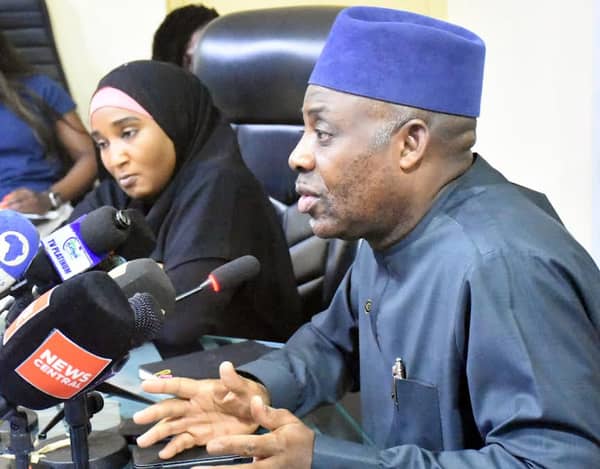
Speaking at the presentation of the renegotiated agreement between the Federal Government and ASUU, Minister of Education, Dr Tunji Alausa, described the agreement as a historic turning point that symbolises renewed trust, restored confidence and a firm commitment to uninterrupted academic calendars in Nigerian universities.
According to Alausa, the agreement reflects the resolve of President Bola Tinubu to prioritise education as the foundation of national development, noting that it marked the first time a sitting president took full ownership of the long-standing challenges confronting the university system.
“For decades, unresolved remuneration concerns, welfare gaps and recurring industrial disputes disrupted academic calendars and undermined staff morale,” the minister said, adding that the current administration deliberately chose dialogue over discord and reform over delay.
The minister said the agreement laid a durable foundation for industrial harmony in federal tertiary institutions through sustained engagement, fiscal realism and mutual respect.
He reaffirmed the government’s commitment to faithful implementation and continuous dialogue under the Renewed Hope Agenda.