
 Get Guardian on Google
Medical research projects and collaborative healthcare training in Nigeria is set to get boost following the inclusion of PAMO University of Medical Sciences, Port Harcourt, into the Oxonia University Network .
The development is also expected to enhance global knowledge exchange and provide opportunities for innovation and the integration of emerging technologies into medical education.
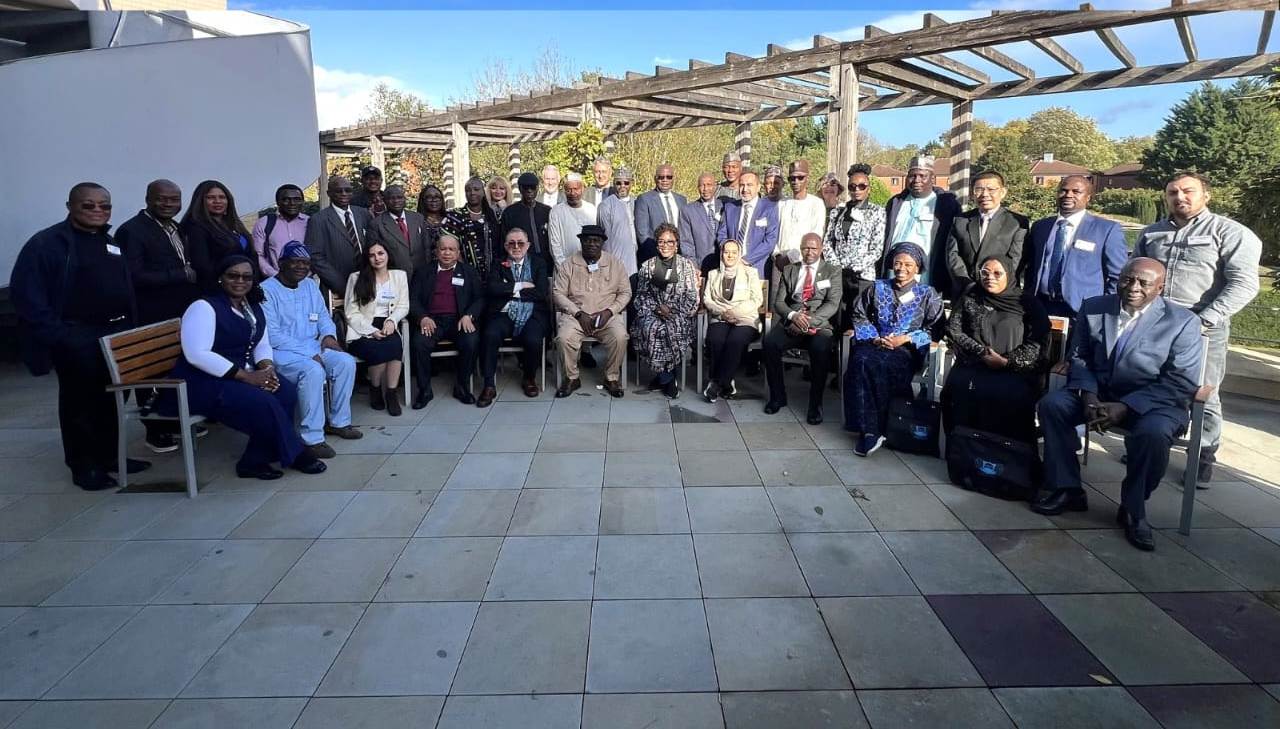
The Guardian gathered that the announcement was made at a gathering of global academic leaders at the Saïd Business School, University of Oxford, during a programme on Leadership and Artificial Intelligence (AI) in Higher Education.
The development is also expected to strengthen international academic partnerships with the Nigeria University.
Established in 2013, the Oxonia University Network is an international platform of higher education institutions promoting global university partnerships, academic entrepreneurship, innovation transfer and responsible technological integration in higher education.
The network comprises more than 153 member institutions across 41 countries.

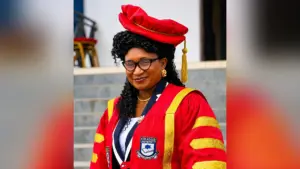
Represented at the ceremony by Professor Adaeze Chidinma Oreh on behalf of the PAMO Board of Trustees, she noted that the network connects member institutions across Nigeria alongside universities from countries including Malaysia, Jordan, Finland, Libya, the United Kingdom, Slovenia, Azerbaijan, Turkey, Russia, the United Arab Emirates, Bulgaria, Saudi Arabia, Poland, Armenia, Mexico, Slovakia, Lithuania, Brazil, and Venezuela.
The network was built on a vision to foster reciprocal international cooperation, drive academic entrepreneurship, and translate cutting-edge research into practical societal solutions.
The inclusion of PAMO University of Medical Sciences highlights the network’s continuing commitment to expanding its global footprint and deepening partnerships across key regions, particularly in Africa and Asia. As a specialised institution, PAMO University brings vital expertise in medical education, healthcare research, and health sciences training to the network’s collective capabilities.
The event at Oxford also marked a key leadership transition for the network, with Professor Abdullahi Yusufu Ribadu, Executive Secretary of the National Universities Commission, formally assuming the presidency of the Oxonia University Network from outgoing president Professor Abubakar Rasheed. In his inaugural address, Professor Ribadu outlined an ambitious vision for the network’s next decade, emphasising the strategic integration of artificial intelligence (AI) in university teaching, administration, and medical research.
“The joining of world-class specialised institutions like PAMO University of Medical Sciences demonstrates the vitality and enduring relevance of international academic collaboration,” stated Professor Ribadu. “As global higher education navigates technological advancements and emerging healthcare challenges, strengthening our network’s research capabilities and responsible AI adoption remains paramount.”
A major focus of the discussions at Saïd Business School centred on leveraging specialised digital platforms, to facilitate joint research, faculty exchanges, and the implementation of robust AI policy frameworks across member universities.