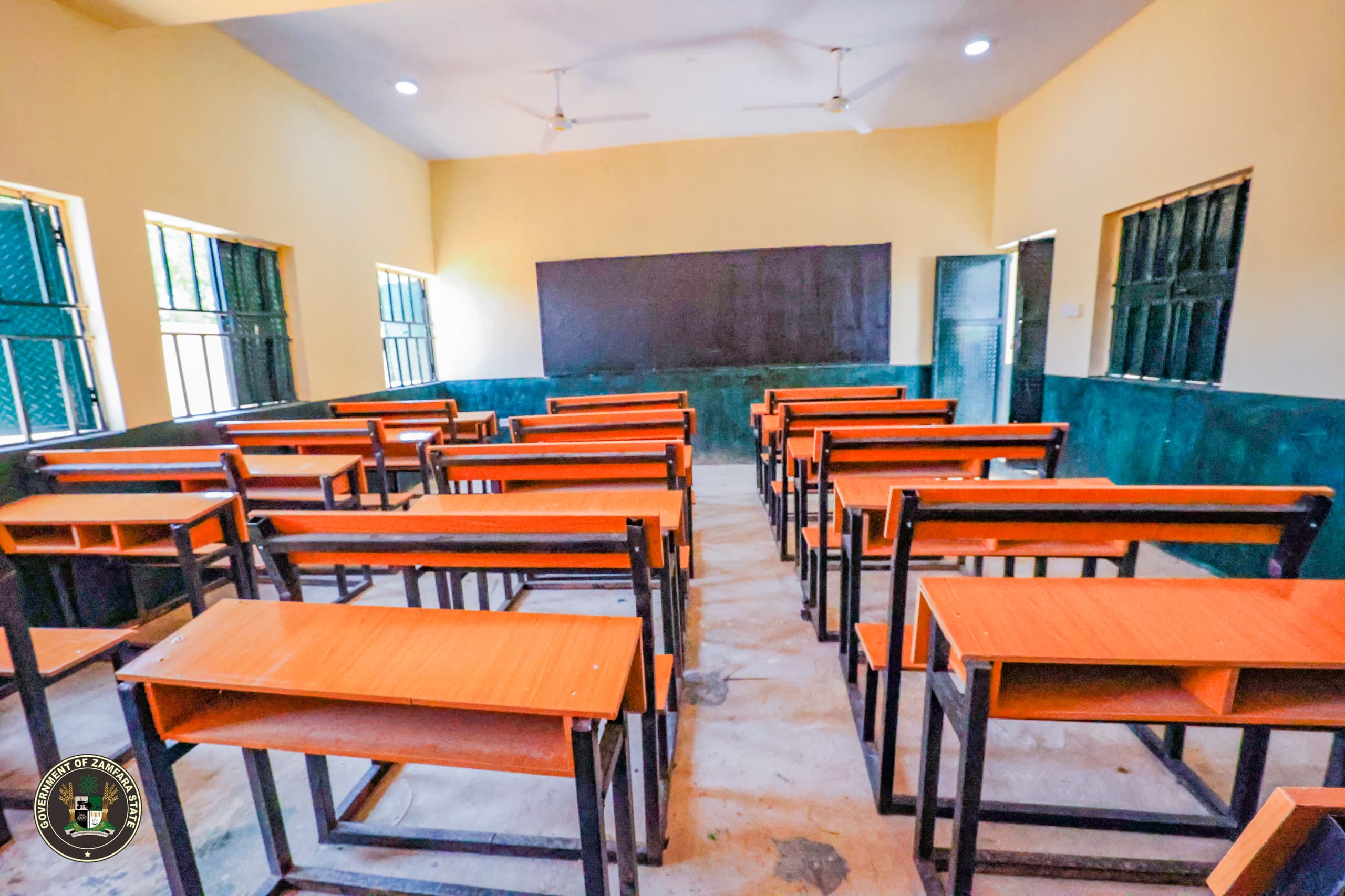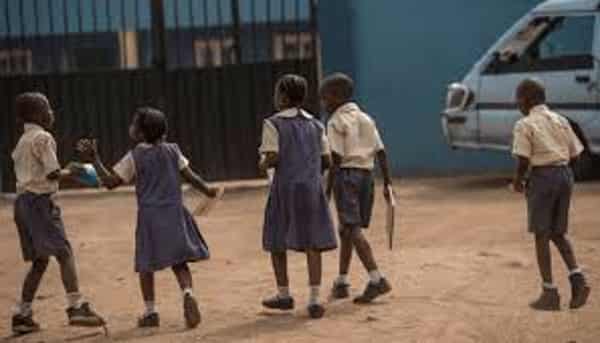
As the new school year begins in the Federal Capital Territory (FCT) today, parents are grappling with the difficult task of securing enough money to cover their children’s education.
For many guardians, the start of a new academic session for basic and secondary schools brings more anxiety than excitement, as financial limitations overshadow their hopes for their wards’ education.
The economy has placed considerable strain on parents’ ability to provide their children with quality education. Inflation and the high cost of living have reduced disposable income, making it increasingly difficult to meet the financial demands of tuition, books, uniforms, and other school-related expenses. Data from the National Bureau of Statistics (NBS) put the July 2025 inflation rate at 21.88 per cent.
Also, widespread unemployment and underemployment have left many households without a stable income, forcing parents to either delay or forgo educational commitments. Parents, who once aspired to provide the best for their children, are now trapped in a cycle of compromise and frustration.
This is the case of a single mother, Obiageli Okoro, who once enrolled her two children in a reputable private school in Abuja. With her modest income from petty trading and support from family members, she initially managed to cover the costs.
However, when the school suddenly raised its fees by over 30 per cent last session, the pressure became unbearable.
“I tried everything I could — working extra hours, borrowing from friends — but it was never enough. I had to choose between feeding my children and paying their school fees,” Okoro explained, adding that she has already started arrangements to transfer her children to a cheaper school this session.
Her story mirrors that of countless other parents across the federation. A father of four, Sunday Eze, shared a similar struggle, saying: “Every term, the school sends a reminder about fees. I feel ashamed when I cannot pay on time. Sometimes, my children are sent home, and they cry because they do not want to miss classes. I don’t know what to do this session ahead of resumption.”
The Guardian reports that some parents have resorted to crowdfunding on social media to secure financial assistance for their children’s education, while others have been forced to part with personal belongings to cover tuition.
In an interview, a widower of three, Ezekiel Zamber, revealed that he had to sell some of his possessions to pay school fees and purchase learning materials for his children.
Experts warn that if the trend continues, Nigeria may witness a further decline in school enrolment and completion rates, particularly among children from low-income families.
Statistics indicate that the country has one of the highest numbers of out-of-school children in the world, with 17 million unenrolled. Stakeholders say this poses a serious threat to the nation’s human capital development and future workforce.
An education advocate, Folashade Akinyemi, observed that Nigeria risks raising a generation with limited skills and opportunities.
“Education is supposed to be a ladder out of poverty, but when it becomes unaffordable, it pushes families deeper into the same poverty cycle,” she said.
IN Imo, as public and private schools resume today for the 2025/2026 academic year, the state government has banned teachers from asking pupils and students to submit shovels, hoes, cutlasses, rakes, brooms, moping sticks, buckets, detergents, disinfectants, toilet paper, A4 paper and payment of unauthorised levies before admitting them for examinations across the 27 local councils.
It also abolished the printing and selling of textbooks in embedded workbook form. The announcements were contained in a statement issued by the Commissioner for Basic and Secondary Schools, Prof. Bernard Ikegwuoha, at the weekend.
For easy access and implementation of the policy, the state government provided a dedicated phone line to enable parents, guardians and other stakeholders to reach the supervising ministry.