Established 30 years ago in Eket, Akwa Ibom State, the Technical Training Centre (TTC), an initiative of the NNPC Seplat JV, has become a vital incubator for future-facing skills in mechanics, instrumentation, electrical systems, process operations, and safety management in Nigeria’s energy sector, MOYOSORE SALAMI writes.
Thirty years ago, a small training office tucked inside the Qua Iboe Terminal began a quiet experiment in technical excellence. Few could have predicted that this modest initiative would evolve into one of Nigeria’s most respected talent development institutions, now standing at the intersection of energy innovation, workforce development, and operational safety.
That institution, now known as the Technical Training Centre (TTC) in Eket, has matured into a global model for skills advancement, shaping over 850 technicians and producing leaders across Nigeria’s energy sector.
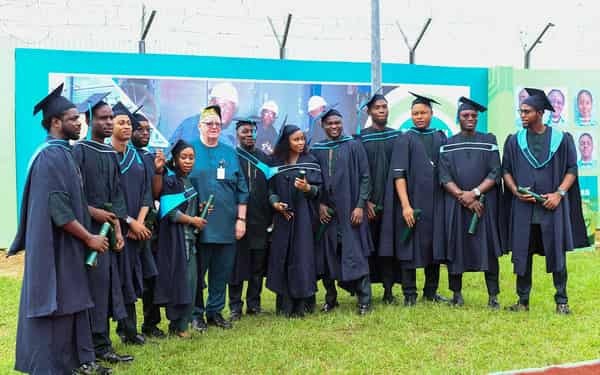
Quite recently, Seplat Energy, its Joint Venture partner (NNPC Limited) and industry regulators gathered in Akwa Ibom State to celebrate three milestones that exemplify this remarkable journey – the 30th anniversary of the TTC, the graduation of Apprentice Group 13, and an extraordinary two million man-hours without a single recordable incident in offshore operations.
The theme of the event, ‘From Roots to Results: Three Decades of Growth,’ was fitting. As General Manager, Joint Venture Operations, John Itsueli, noted in his welcome remarks, the day marked “a truly special occasion… as we gather to celebrate not one, but three remarkable milestones that speak to the heart of who we are and what we have achieved together.”
His message underscored what the TTC has come to represent: Not merely a training centre but a long-term investment in human capital, community advancement, and energy sector resilience.
An Institution Built On Standards And Excellence
From humble beginnings in a “small office at the Qua Iboe Terminal,” the TTC has grown into the world’s first City & Guilds Centre of Excellence, a validation of the centre’s world-class training standards.
“Over the years, it has trained more than 850 technicians, many of whom have risen to leadership positions across the energy industry,” Itsueli said, describing the legacy as one “worth celebrating.” That legacy was visible in the faces of the new graduates seated before him, young men and women from the Niger Delta who had completed one of the industry’s most rigorous apprenticeship programmes.
But the day’s celebrations extended beyond history and heritage. The centre’s newest achievement – two million man-hours without a recordable incident – stood out as a critical marker of Seplat’s adherence to operational excellence. For an industry where even minor lapses can have severe consequences, such a milestone is nothing short of exceptional. As Itsueli put it, “this milestone reflects the discipline, teamwork, and shared responsibility that underpin everything we do.” It was also a thematic symbol of Seplat’s broader operational philosophy: Performance excellence cannot be separated from excellence in safety.
A Vision Aligned With Industry Transformation
When Seplat Energy Chief Executive Officer, Roger Brown, represented by the company’s Chief Operating Officer, took the podium for the keynote address, he expanded the narrative, linking the centre’s three-decade evolution to Seplat’s transformation as an energy company. He described the day as “a moment of true pride and excitement… more than a ceremony, a celebration of a journey that began 30 years ago and has evolved into something exceptional.” His remarks placed the TTC at the heart of Seplat’s long-term sustainability strategy, emphasising not just what the centre has accomplished but what it continues to enable.
The Seplat Energy boss highlighted the strategic intent behind the TTC’s founding. “When TTC was founded, it was built on a bold belief that developing local talent and building a pipeline of skilled technicians would strengthen operational excellence and shape the future of Nigeria’s energy landscape,” he said. Those early convictions – what he called the “roots,” have today produced “results” that speak emphatically for themselves: Internationally certified technicians, globally competitive skills, and a robust community of professionals trained to meet the demands of a rapidly evolving energy market.
Achievements That Tell A Powerful Story
The Seplat Energy CEO emphasised the scale of achievement: “More than 850 technicians trained, many of whom now lead major teams across the global industry. Recognition as the world’s first City & Guilds Centre of Excellence. A safety culture so strong that we have achieved two million incident-free man-hours.” These achievements, he said, “are not just statistics. They represent our people, transformed lives, and strengthened communities.”
For the graduating apprentices of Group 13, the message was both congratulatory and aspirational. Brown urged them to recognise the significance of the moment. “You enter a world that is dynamic and competitive, but you are ready; equipped not only with technical expertise, but with the mindset and values that define excellence.” His words affirmed the centre’s longstanding commitment to grooming technicians who are not only employable but capable of shaping the future of Nigeria’s industrial and energy sectors.
Partnerships That Strengthen Capacity
A central pillar of the day’s message was partnership, particularly the collaboration between Seplat Energy and NNPC Limited under the Joint Venture framework. The Seplat Energy boss paid special tribute to NNPC Limited, saying: “A special appreciation goes to our Joint Venture Partner, NNPC Limited, whose belief in this mission has been unwavering from the start.” The TTC, he reminded the audience, is not just a corporate initiative but a collective effort that has been nurtured for decades through state, community, and institutional support.
Seplat’s gratitude also extended to the Eket community, which has hosted and supported the centre since inception. “The results we celebrate today reflect the power of collaboration between NNPC Seplat JV, community, and state,” he said. That collaboration has enabled the centre to expand its curriculum, modernise its learning environment, and integrate new technologies into training — an evolution necessary for preparing technicians for emerging roles across the energy value chain.
Human Capital As A Strategic Priority
Beyond the ceremony, the significance of the TTC’s growth is deeply aligned with Nigeria’s broader economic needs. Energy remains a cornerstone of the nation’s GDP, and creating a steady, highly skilled workforce is essential for maintaining operational reliability, driving technological adoption, and supporting Nigeria’s competitiveness in a global market increasingly influenced by automation, digitalisation, and clean energy transitions. The TTC’s training model — blending hands-on technical learning with globally benchmarked standards — positions it as a vital incubator for future-facing skills in mechanics, instrumentation, electrical systems, process operations, and safety management.
Another dimension that resonated throughout the event was the centre’s role in advancing youth empowerment across the Niger Delta. Brown described Seplat’s broader commitment clearly: “At NNPC Seplat JV we are committed to empowering youth for decent work and economic growth in various sectors.” Through signature programmes across their host communities – including scholarship schemes, vocational training, and educational investments – Seplat continues to anchor its social impact strategy around economic inclusion and capacity building.
Positioning Nigeria For The Energy Future
As Nigeria navigates the complexities of global energy transition, institutions like the TTC are becoming even more critical. The skills required for the future of the energy sector —whether in gas processing, digital asset management, renewable integration, or hybrid operations — will depend on how well today’s workforce is trained. Seplat’s continued investment in “technology, digital learning platforms, and an expanded curriculum,” as Brown highlighted, reflects a forward-looking approach to workforce development, one aimed at maintaining relevance in a rapidly shifting industry.
For the graduates of Apprentice Group 13, the ceremony was the culmination of a demanding training journey; one that tested their technical capabilities, discipline, teamwork, and personal resilience. Their transition into the professional world reinforces the centre’s mission and demonstrates the regenerative power of long-term capacity development. As Itsueli expressed, “we are confident that you will carry forward the values and skills that define this centre, and we eagerly anticipate the contributions you will make as you shape the future of the oil and gas industry.”
A Legacy Rooted In Excellence, Built For The Future
Events such as this are reminders that while infrastructure, technology, and strategy shape corporate outcomes, people ultimately drive progress. In three decades, the TTC has achieved what many institutions aspire to – consistency, credibility, and community trust. Its graduates, spread across Nigeria’s major energy assets and beyond, are proof of what is possible when long-term vision meets operational discipline.
As the celebrations drew to a close, the recurring sentiment was one of gratitude, pride, and optimism.
“Congratulations to TTC, to our graduates, and to everyone who contributed to achieving two million incident-free man-hours in our Offshore operations. “Thank you for being a part of this extraordinary story,” Brown concluded.
Three decades after its founding, the TTC is no longer just a training centre. It is a legacy institution rooted in history, strengthened by results, and positioned for a future where technical excellence and human capital remain at the heart of Nigeria’s energy evolution.