 Follow Us on Google News


 Follow Us on Google Discover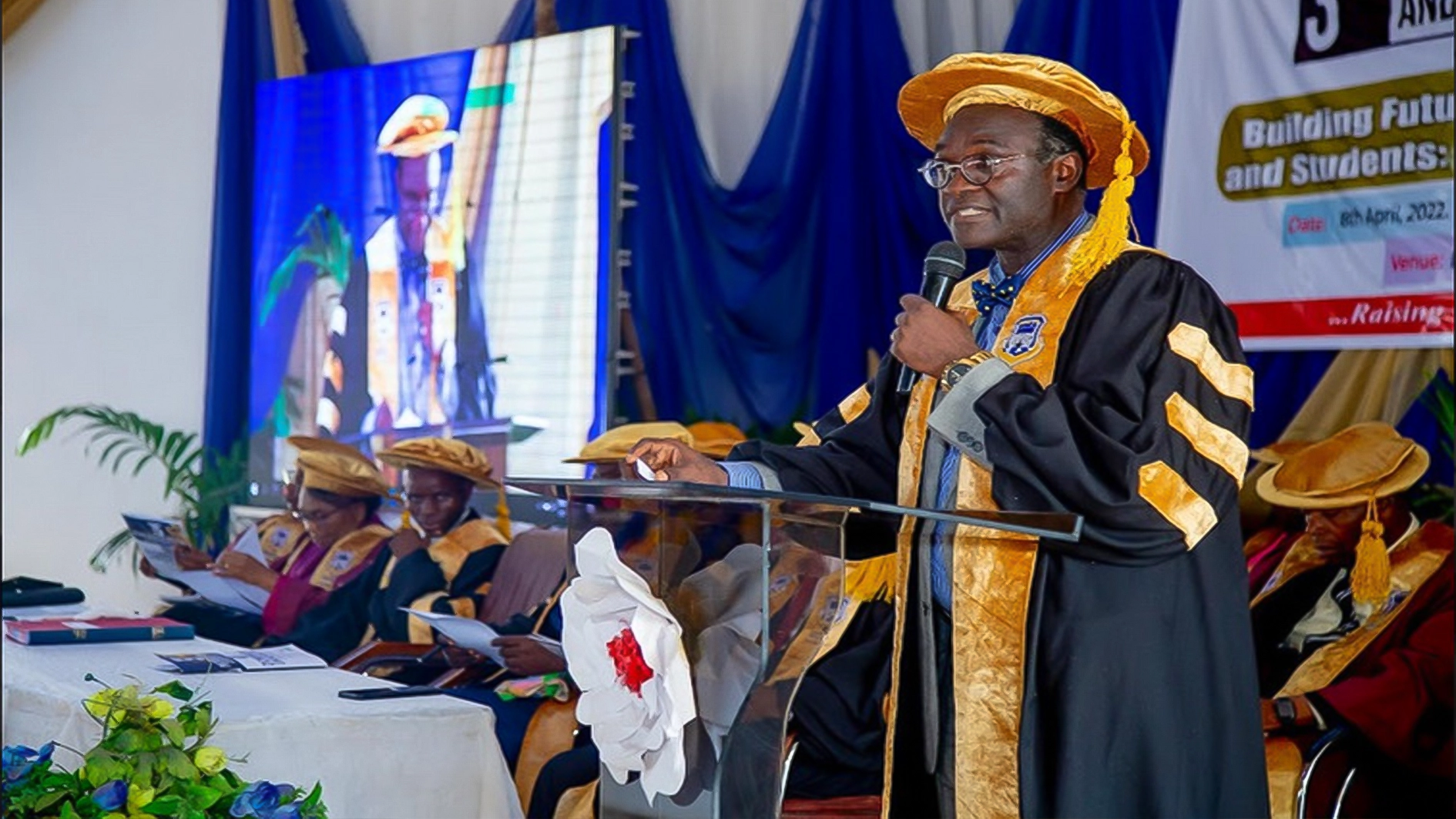
VC calls for digital infrastructure, funding reform
The Vice-Chancellor of Bells University of Technology, Ota, Ogun State, Prof. Abel Olorunnisola, has said that traditional methods of teaching are no longer sufficient in Nigerian universities due to the rapid advancement of artificial intelligence (AI) and digital learning platforms.
Olorunnisola, who until recently served as vice-chancellor of Dominion University, Ibadan, made the remarks while speaking on the transformation of higher education in Nigeria.
He noted that the emergence of AI tools such as ChatGPT, alongside the widespread adoption of online learning platforms, has fundamentally changed the way students access and process information.
According to him, students can now access information, create learning materials, and receive explanations of complex concepts through digital platforms without relying entirely on classroom lectures.
He said the development requires lecturers to rethink their instructional approaches and adopt more interactive methods that encourage active students’ participation.

“We have to develop ways of meeting the students of today halfway,” Olorunnisola said.
The vice-chancellor said lecturers could no longer operate on the assumption that they are the sole custodians of knowledge.
He explained that students can readily verify information presented in class by searching the Internet, hence, lecturers must create learning environments that go beyond one-way delivery of content.
Olorunnisola said he had personally adopted a more interactive approach to teaching in his classes, drawing a distinction between simply delivering lectures and engaging students through discussions and activities.
While advocating the integration of technology into teaching, the VC cautioned that the use of AI and digital tools should not lead to the elimination of the physical classroom or the erosion of academic discipline.
He said universities must strike a balance between in-person engagement and the responsible use of technology to prepare students adequately for examinations and the demands of the world of work.
Olorunnisola also called for improved digital infrastructure in Nigerian universities, with particular emphasis on public institutions.
He said inadequate infrastructure was a major reason many universities struggled to sustain teaching and learning during disruptions such as industrial actions and the COVID-19 pandemic.
He argued that universities with robust digital systems would be better equipped to continue academic activities even when students and lecturers cannot physically access campuses.
He further linked the transformation of university education to funding, saying adequate investment is essential for Nigerian universities to compete with their counterparts globally.
The vice-chancellor identified inadequate funding as one of the major impediments to the growth and development of the country’s public higher education sector.
He urged the government to recognise universities as strategic institutions critical to national development and to provide the necessary resources for infrastructure, research, human capital development, and digital learning.
According to him, producing globally competitive professionals requires substantial investment in modern infrastructure, competitive remuneration for staff, and conducive working environments to attract and retain high-quality academics.
Despite the challenges, Olorunnisola said Nigerian universities have continued to produce professionals who compete successfully on the global stage.
He cited Nigerian doctors, engineers, software developers, and other professionals working across the world as evidence of the quality of graduates produced by the country’s higher education system.
He, however, stressed that government and other stakeholders must create an enabling environment for universities to maximise their potential.
The vice-chancellor also raised concerns about the welfare of university academics, lamenting that stagnant salaries have significantly reduced lecturers’ purchasing power amid rising inflation and the cost of living.
He argued that improving the welfare of academics is crucial to sustaining quality teaching, research, and international engagement.
Olorunnisola further noted that the current economic situation has placed enormous pressure on students and their parents, especially those in private universities.
He said the challenge extends beyond tuition fees to include the overall cost of maintaining students, such as feeding, accommodation, and other daily expenses.

