 Follow Us on Google News



 Follow Us on Google Discover
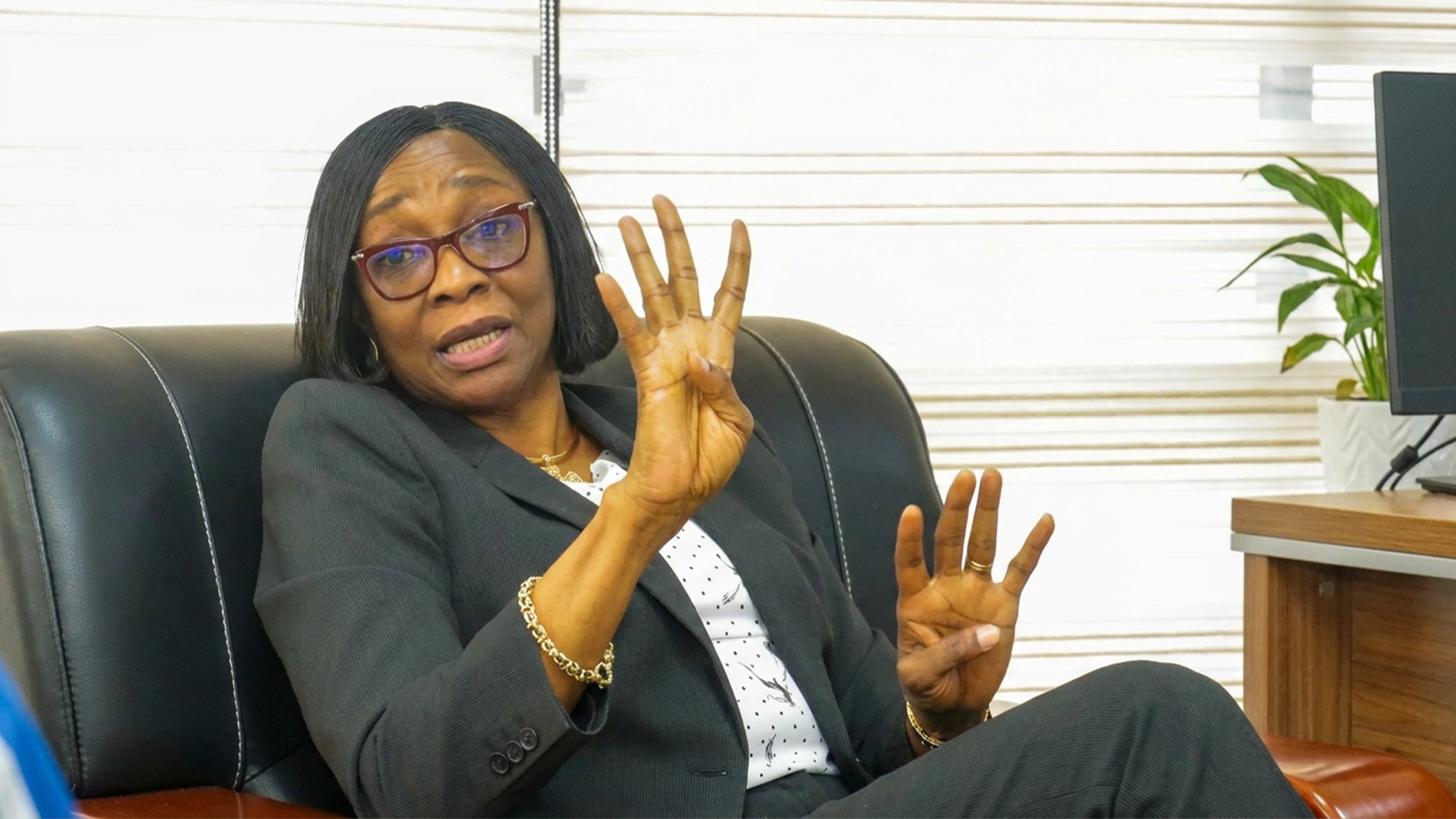
The University of Lagos (UNILAG) has called for greater interdisciplinary research and collaboration among academics, policymakers and industry leaders to address interconnected global challenges such as food insecurity, public health, housing deficits and environmental sustainability.
The Vice-Chancellor, Prof. Folasade Ogunsola, made the call at the institution’s 19th Research Conference and Fair, themed: “Sustainable frontiers: Integrating systems for food security, health, housing, and humanity to combat global challenges.”
Ogunsola said global challenges have become increasingly complex and interconnected, requiring innovative and sustainable approaches beyond disciplinary boundaries.
She noted that food system failures could trigger security concerns, housing crises could worsen public health inequalities, while technological solutions without humanistic perspectives might overlook empathy and cultural contexts.
“To combat these intersecting global challenges, we must stop operating in silos. We must cross the frontier into radical integration,” she said.
She urged partnerships among agricultural scientists, data scientists, architects and public health experts, and challenged researchers to assess whether their work bridges disciplinary divides and improves the wellbeing of marginalised communities.

Earlier, the Deputy Vice-Chancellor (Academics and Research), Prof Matthew Ilori, said the conference attracted over 500 abstracts across eight thematic areas, reflecting the university’s research capacity.
In his keynote address, the Chief Executive Officer of Degeconek, Abiodun Adesanya, stressed the need to balance energy security with sustainability.
Speaking on oil and gas development and the global energy transition, Adesanya said fossil fuels still account for a substantial proportion of global energy consumption despite growing investment in renewables, attributing it to rising energy demand.
He said renewable energy was expanding, but oil and gas remained important to transportation, manufacturing and production of materials such as plastics and fertilisers, adding that energy transition policies must consider countries’ economic and developmental realities.
On Nigeria, he said the national grid remains largely dependent on gas-fired thermal stations and hydroelectric plants, while distributed solar is expanding, noting that growing energy needs require additional investment.
He highlighted the potential of oil and gas resources in south-west Nigeria, particularly within the Dahomey Basin, and said commercialising gas resources there could provide additional feedstock for power plants serving Lagos and its environs.
He also drew attention to reported oil seepage around the Amuwo-Odofin area of Lagos and urged researchers in geosciences and engineering to contribute to studies on the region’s energy resources.
He proposed exploring floating solar installations on the Lagos lagoon to expand clean energy generation on campus, saying a pilot project could improve electricity supply for teaching and research activities.
Also speaking, the Chairman of Mutual Benefits Group, Dr Akinade Ogunbiyi, stressed the importance of insurance and risk management in promoting sustainable development and protecting livelihoods.
He explained that insurance enables losses suffered by a few to be covered through contributions from a larger pool of insured people, providing financial protection and helping recovery after unforeseen events.
Ogunbiyi linked insurance to the Sustainable Development Goals, particularly expanding access to financial services, and expressed concern over Nigeria’s low insurance penetration, which he put at about 0.5 per cent compared with a global average of seven per cent.
He attributed the low penetration to limited awareness, weak trust, poor enforcement of relevant laws and competition between insurance premiums and basic household expenses.