 Follow Us on Google News
 Follow Us on Google Discover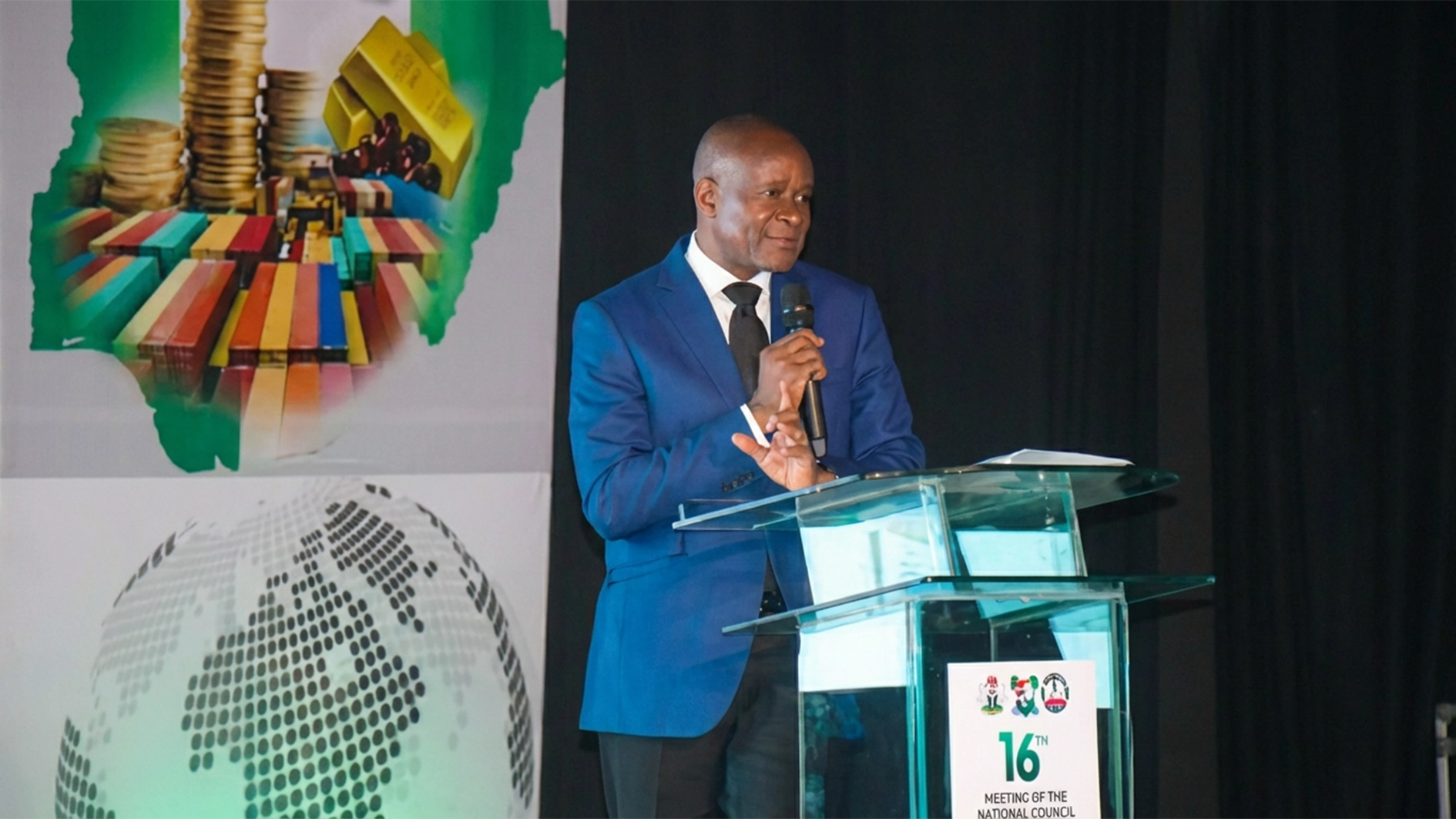
The Federal Government has begun moves to provide dedicated electricity to industrial clusters across the country, with a 50-megawatt power project expected to deliver 24-hour electricity to manufacturers at the Idu Industrial Estate in Abuja.
The Minister of State for Industry, Owan Enoh, said the initiative is part of the government’s broader industrialisation strategy to reduce production costs, increase local manufacturing, and create jobs.
Speaking at the groundbreaking of the power project in Abuja yesterday, Enoh said reliable electricity remained a major constraint on industrial productivity, stressing that industrial renewal could not be achieved without addressing the country’s energy deficit.
He said the government’s industrial strategy was built around local production, value addition, diversification and stronger integration of Nigerian industries into global markets.
“When you produce locally, you contribute to job creation. For our abundant youth, you provide for them a pathway for employment,” Enoh said.
According to him, increasing domestic production would also reduce the country’s dependence on imported goods, conserve foreign exchange and strengthen Nigeria’s resilience against external disruptions.
He said the administration was, therefore, seeking to move beyond policy declarations by establishing practical models that could be replicated across industrial clusters.
The Minister said the Abuja project represented such a model, particularly because access to dependable power could enable factories to increase production, expand operations and employ more workers.
The Minister of State for Industry said the industrial power initiative should not be viewed as an isolated electricity project but as part of a broader effort to rebuild Nigeria’s productive capacity.
He said reliable power would translate into higher factory utilisation, greater local sourcing of raw materials, increased value addition and improved employment opportunities.
“Industrial renewal is not a sprint. It is a marathon,” Enoh said, stressing that sustained cooperation among government, the private sector and beneficiary communities would be required to protect infrastructure and ensure the projects deliver their intended economic benefits.
He said the objective was to move from an economy constrained by unreliable infrastructure to one in which industrial production could operate continuously and competitively.

The government also linked the initiative to President Bola Tinubu’s target of building a $1 trillion economy, arguing that such an expansion would require higher productivity and deeper industrialisation rather than dependence on raw-material exports.
Providing insight into the location’s choice, Welbeck Electricity Distribution Limited Managing Director Afolabi Aiyela explained that the project will initially generate 10MW from a site near the AKK gas pipeline in Zuba, with the electricity transmitted through a 33kV line to the Idu Industrial Estate.
According to him, the remaining 40MW is expected to be developed within the industrial estate once the gas pipeline is extended to the area.
He added that the industrial estate currently has a potential electricity demand of between 300MW and 400MW, indicating the scale of the power deficit confronting manufacturers in the cluster.
The first phase is expected to prioritise Nigerian small and medium-sized enterprises and large indigenous companies, while subsequent phases are expected to expand coverage to other manufacturers within the estate.
On his part, the Minister of Power, Joseph Tegbe, said the government is adopting captive and decentralised power generation as part of its strategy to connect electricity generation directly to industrial consumers.
Tegbe said the Federal Government was also conducting technical audits of power infrastructure in major industrial corridors, with the Lagos industrial axis, the Abuja-Kaduna corridor and the Enugu-Onitsha axis identified as priority areas.
He said the Lagos industrial corridor alone accounted for about 40 per cent of national electricity demand and that the government was targeting the creation or restoration of about 180,000 jobs in the axis within the next six months through interventions to improve electricity supply.
The minister, however, cautioned that solving Nigeria’s power problems would require sustained investment across the entire electricity value chain, from gas supply and generation to transmission and distribution.
He also identified vandalism and energy theft as major threats to investments in the sector.
Tegbe said the government was considering different options for supplying industrial clusters, including extending gas pipelines to industrial locations or generating electricity at gas-rich locations and transmitting the power to industrial centres.

