 Follow Us on Google News


 Follow Us on Google Discover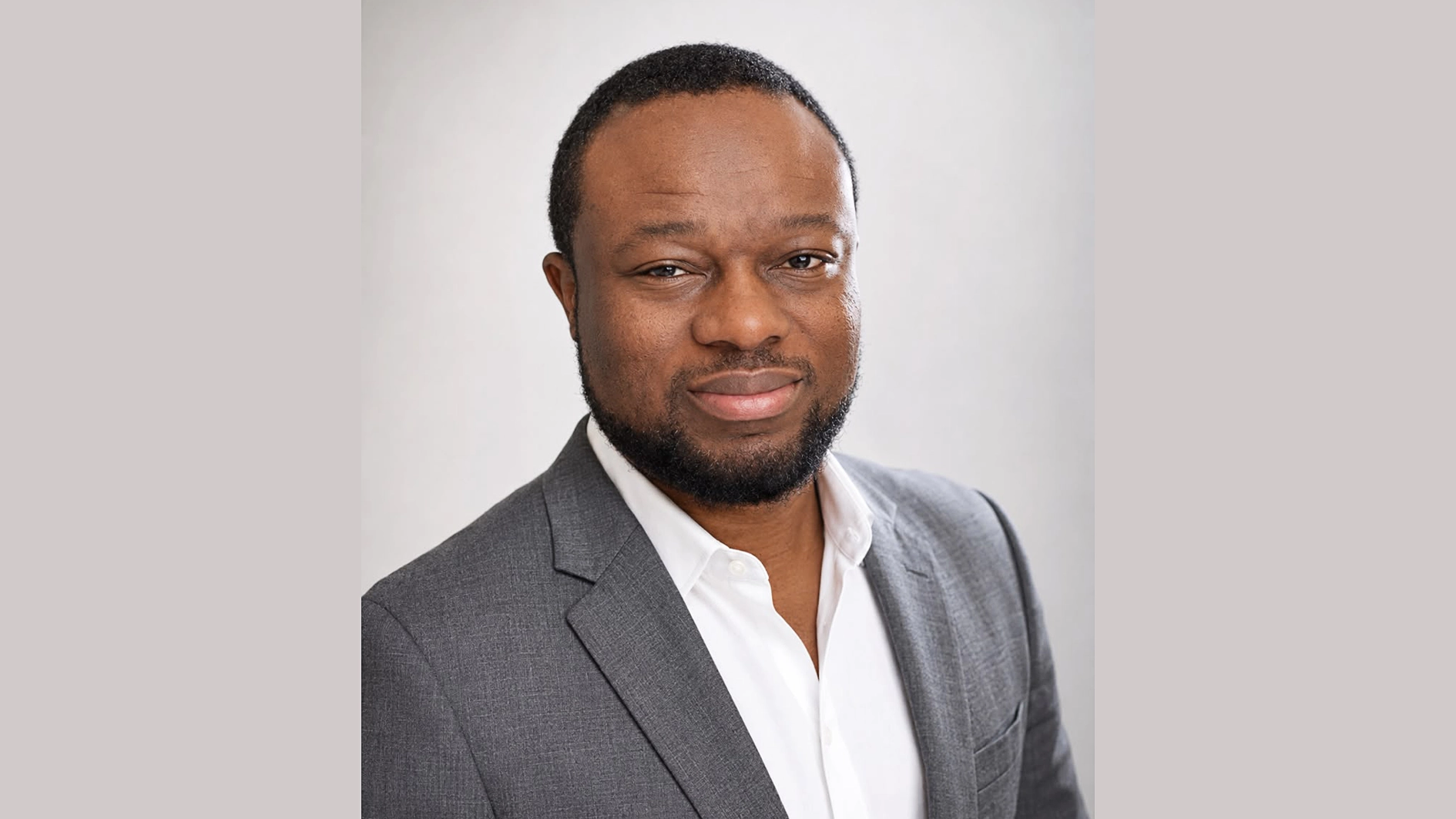
Over the last 10 years, Lymmy Ogbidi, the current Petroleum Engineering Solutions Technical Lead at Schlumberger, has been traversing a terrain that is in constant motion. His first-hand experiences from Africa, Europe, the Middle East to North America follow a history of flexibility, rapid learning, and innovative solutions. Today, he strives to become that guiding light for others.
It is crystal clear. The career that Ogbidi has had is akin to a masterclass in resilience and vision. By viewing every challenge as a ladder, he has become able to develop a strategy based on both innovation and operational excellence. Every challenge that has been encountered and overcome has made him a better leader, highlighting a willingness to learn and never-give up spirit in seeking excellence.
In the oilfields and across continents, from the Delta basin of Nigeria to the North Sea, Ogbidi has created more than a career; he has built people. The technical lead at SLB is a leader who illustrates how mentorship, teamwork, and global volunteering can change not only an individual career, but the whole culture of the energy industry.
The first thing that strikes you about Ogbidi isn’t the list of countries he has worked in, though they span continents, or the sheer technical depth of his expertise. It is his quiet certainty that although success looks different for everyone, it is never achieved in isolation. “Every step I have taken,” he says, “was enabled by someone who had faith in me.”
That is the narrative of someone who spent over fourteen years navigating the fine line between cold technical expertise and radical humanism: an engineer who views mentorship not as choice, but as responsibility; not as charity, but as continuity.
Ogbidi was starting out as a young petroleum engineer in Lagos, Nigeria, when the oil industry was heading into one of its most volatile decades. Prices fluctuated, fields matured faster than projections, and opportunities for early-career professionals were being squeezed. Yet he remembers those years as his greatest classroom, a time when listening became his sharpest tool.

“My early years were less about proving myself and more about learning how others solved complex problems,” he recalls. “I worked under mentors who shared knowledge like it was oxygen. They never hoarded it, and that changed everything for me.”
That formative generosity shaped a philosophy that would follow him through every chapter of his life. When he earned his master’s degree in petroleum engineering from Heriot-Watt University in the UK, it wasn’t merely a credential, it was an awakening. The world of energy was no longer local; it was interconnected, dynamic, and digital. Collaboration was the new currency of progress.
Joining Schlumberger shortly after graduation marked his leap into a truly global arena. From office to out of office trips in Nigeria to the United States, France, United Kingdom for trainings: from simulation projects in the United Arab Emirate to digital solutions in the United Kingdom, Ogbidi’s professional footprint became a map of technological frontiers. But in every country, his curiosity remained the same, to understand, to teach, and to connect.
“Technical excellence gets you noticed,” he says with a half-smile, “but empathy and consistency make you relevant.”
That conviction guided his rise to his current role as UK Reservoir Engineering Solutions Lead at SLB, where he leads multidisciplinary teams through projects that fuse data science, sustainability, and classical engineering wisdom. His technical work is immense, with more than seventeen integrated field development projects in Africa, Europe, the Middle East, breakthroughs in carbon capture and storage, digital reservoir modeling and production optimization have all helped to redefine the standards of efficiency.
But maybe what is more of a genius in him is not the accuracy of his simulations but the individuals that those simulations have shaped.
For Ogbidi, mentorship is the invisible infrastructure of the engineering world, the quiet scaffolding upon which every lasting career is built. His connection with the Society of Petroleum Engineers (SPE) was initiated in the simplest manner possible at a time he was a student member who needed guidance. That little choice would turn into a lifetime involvement in a community that instills not only technical proficiency but human interaction.
“I started as an SPE student member in Nigeria,” he reflects, “and that experience opened doors, training, exposure, and a global community that broadened how I saw the industry.
When I had an opportunity to give back, I knew I had to. He has mentored dozens of young engineers who are today the heads of major projects on the continents. He has established a reputation, through workshops, reviews and speaking engagements, as not only an expert in technical matters, but as a person of clarity, such clarity that makes complexity seem like something that can be overcome. His mentees often describe him as the “engineer’s engineer”, firm but patient, demanding yet kind.
Still, Ogbidi’s mentorship goes beyond technical. He speaks often about emotional intelligence, the underrated variable in engineering success.
“Mentorship isn’t only about teaching equations,” he says. “”It’s about listening. At times, the most effective way to make a person develop is by reminding them that they already possess what it takes.
This ideology has culminated into what he refers to as his three pillars of leadership, which are availability, empathy and accountability. He is there when mentees need clarity, understanding when they fail, and strict in demanding that they are accountable to their excellence. It’s a system built not on authority, but on trust, the kind that transforms guidance into growth.
The more influence Ogbidi gained the more his views of the energy transition broadened. He no longer speaks as an engineer, but as the strategist of a future in which AI, automation and sustainability will characterize the way humanity drives itself. His experience in underground gas storage and carbon capture in the UK reflects that he has an innovative mindset that is focused on balancing profitability with environmental stewardship.
“The oil and gas industry is changing faster than ever,” he says. “Technology is rewriting what’s possible, but the real transformation will come from people who can adapt, collaborate, and lead ethically in that change.”
It’s a statement that captures both his technical foresight and humanist core. For Ogbidi, the measure of legacy isn’t just what you build, but what you pass on. That is why he invests as much energy in mentoring as he does in modeling reservoirs. His mentees’ victories, their first promotions, their conference papers, their leadership moments, are the metrics that matter most.
“When a young professional I once coached called to say he had just led his first field development project, that is my award.”
His humility, though, hides a long list of accolades, including the Global Business Relevance Award in Houston, recognizing his innovative approach to brownfield production optimization. But when pressed, he waves such recognition aside with the quiet ease of someone who has long discovered that impact, not applause, is the true prize.
Today, as a leader of cross-functional teams in SLB’s Crawley office and a trusted Reservoir Engineering Workflow Consultant to Shell Headquarters in London, he is dedicated to shaping the next generation of reservoir engineers, empowering them with the skills, resilience, and foresight needed to succeed in an increasingly uncertain energy landscape. He sees mentorship as an ethical duty, the way one generation lights the path for the next.
“Every project, every success I have had,” he reflected, “was made possible by someone who believed in me. My goal now is to be that person for others, to help them see that their ideas matter, that they can shape the industry and, in doing so, shape the world.”
His story, from mentee to mentor and from local engineer to global engineering leader, resonates with the saying that the greatest legacy is not measured by technical achievements alone, but by the lives and careers shaped along the way.
Because in the end, Ogbidi’s story demonstrates that the true measure of mastery is how many others you empower to surpass you.

