 Get Guardian on Google
Chief Executive Officer of IKAPITAL Family Office & Friends, Dr. Ulf Brackmann, has called for increased private investment in Nigeria’s energy and electric vehicle sectors, saying manufacturers need alternative financing arrangements to expand production without tying down their capital in power infrastructure.
Brackmann said manufacturers should be able to devote more of their financial resources to production rather than spending heavily on generating and maintaining electricity for their factories.
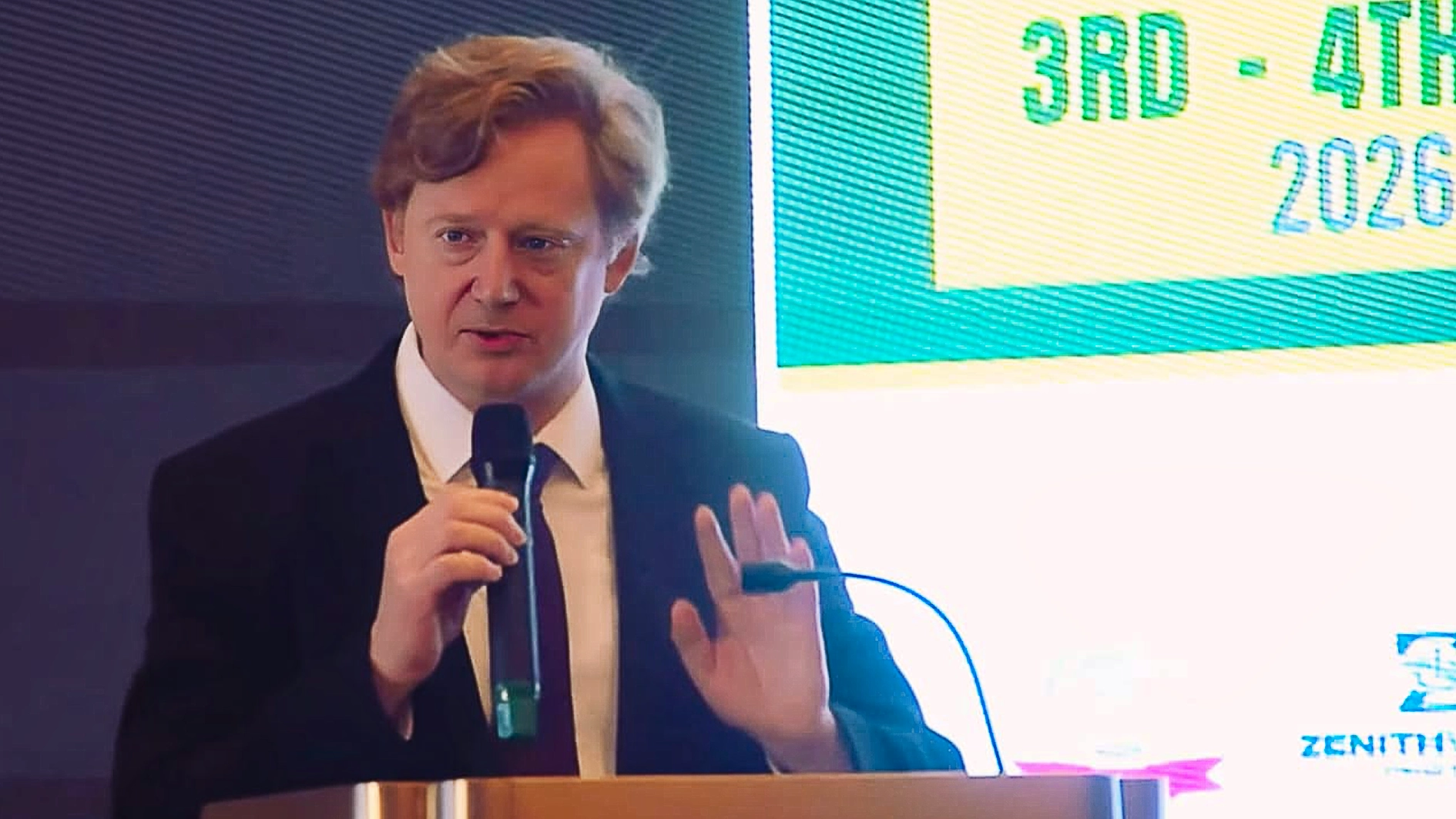
Speaking in an interview at the 2026 Manufacturers Energy Security and Energy Efficiency Summit held in Lagos, the German investor discussed investment opportunities in industrial energy supply, electric mobility and local manufacturing.
According to him, his organisation is exploring partnerships with the Manufacturers Association of Nigeria (MAN) to connect local manufacturers with international investors, technology providers and other business partners.
As part of the proposed arrangement, Brackmann suggested the establishment of special purpose vehicles (SPVs) that would operate as independent power providers, using available energy sources, including solar and gas, to supply factories.
“We have to make sure that the manufacturer has a reliable energy supply 24/7, solid and without eating up his capital,” he said.

Brackmann who is also a Professor of the European Institute of Management explained that manufacturers could pay for electricity based on consumption through guaranteed demand agreements, rather than committing large sums to individual power projects.
He added that manufacturers could also become shareholders in the independent power companies, allowing them to participate in the businesses supplying their energy.
On access to finance, Brackmann said family offices and private equity investors could consider business potential and growth opportunities rather than relying solely on conventional lending requirements.
“We look mostly at the business case, the potential, the opportunity, scalability of business, when we can remove the obstacles together,’ he said.
He further said investors could work with development finance institutions, including the African Development Bank (AFDB) and local banks to develop blended and structured financing arrangements for manufacturers.
Brackmann also identified opportunities for investment in Nigeria’s electric vehicle sector, but said reliable electricity and a sustainable business model were necessary to support the development of charging infrastructure and commercial transport.
Beyond importing electric vehicles and charging equipment, he argued that Nigeria should create opportunities for local assembly, component production and the development of relevant technical skills.
The German investor noted that international investors would be more willing to support large-scale projects when there were clear revenue models, appropriate guarantees and cooperation among relevant stakeholders.
He also said foreign technology providers should build long-term partnerships with Nigerian businesses instead of simply supplying equipment and leaving manufacturers to manage challenges on their own.
“We need partners that work with us and solve all the issues in the way that we may encounter and enable our own forces in the country,” he said.