
 Get Guardian on Google
The escalating security challenges in the Middle East are reshaping investment strategies among leading national oil companies (NOCs), forcing energy producers to prioritise export resilience, diversify international portfolios and deepen partnerships as geopolitical risks threaten global supply chains.
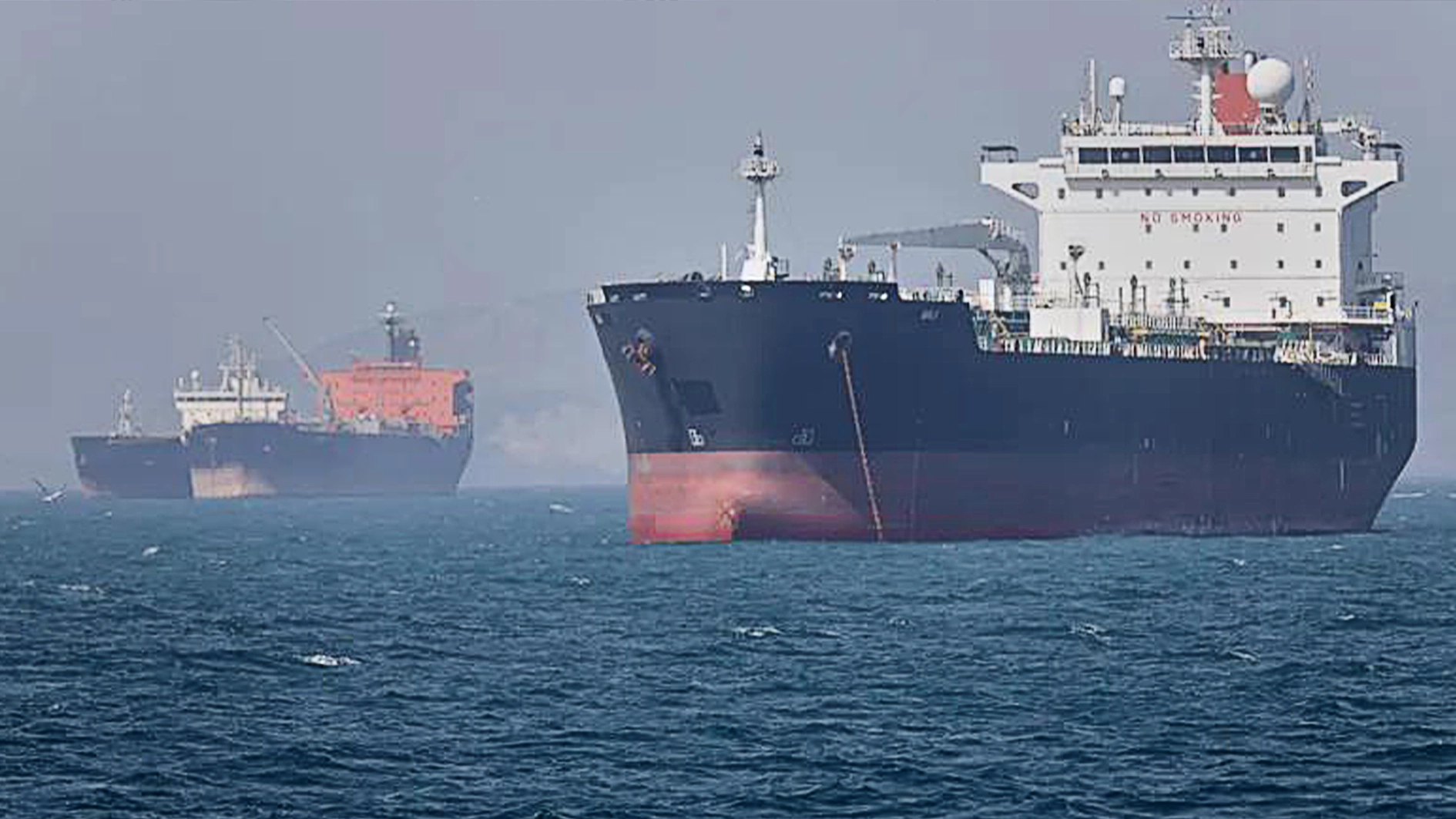
A new assessment by Wood Mackenzie indicated that the conflict has exposed significant differences in the ability of Abu Dhabi National Oil Company (ADNOC), Saudi Aramco and QatarEnergy to sustain exports, protect production and pursue expansion plans amid disruptions around the Strait of Hormuz.
The report noted that alternative export routes, ship-to-ship transfers and the partial reopening of the Strait had helped Saudi Aramco and ADNOC increase their combined operating cash flow by approximately $35 billion, representing a 25 per cent rise against pre-conflict estimates.
However, it warned that the recovery remained fragile, with attacks on the East-West pipeline and Red Sea shipping exposing the security risks associated with alternative export corridors.
QatarEnergy has suffered the most significant disruption, coming under pressure just as its ambitious North Field expansion was expected to increase liquefied natural gas (LNG) capacity from 77 million tonnes per annum (mtpa) to 142 mtpa.
According to Wood Mackenzie, the crisis is forcing the three producers to reconsider how they allocate capital, access technology and secure international markets, with partnerships increasingly becoming central to their expansion strategies.
“The conflict has increased the number of competing priorities facing Middle East NOCs,” Director, Corporate Research at Wood Mackenzie, Neivan Boroujerdi, said.

He explained that although the companies faced different challenges, they were simultaneously balancing domestic expansion, international growth and operational resilience.
The report identified ADNOC as a company pursuing ambitious production and international LNG expansion targets, with its 2027 production target of five million barrels daily potentially giving way to six million barrels daily in the early 2030s.
Saudi Aramco, meanwhile, could open parts of its upstream gas business to external investors as unconventional gas production expands. Wood Mackenzie projected that sales gas supply could reach 180 billion cubic metres annually in the early 2030s, exceeding anticipated domestic demand of about 130 billion cubic metres.
Such a surplus could support LNG exports and create opportunities for international oil companies (IOCs) through equity participation, offtake agreements and gas-trading partnerships.
For QatarEnergy, infrastructure damage, production losses and continued dependence on the Strait of Hormuz could trigger costly repairs and extensions to existing IOC contracts.
Beyond the Middle East, the assessment warned that geopolitical uncertainty could make international oil companies more selective about exposure to the region, despite its relatively low-cost petroleum resources.
The region currently accounts for about 15 per cent of production by major international oil companies, projected to rise to 17 per cent by 2030.
Wood Mackenzie said international diversification was increasingly becoming a strategy for energy security rather than simply production growth, with partnerships expected to shape future investments across upstream petroleum, gas and LNG markets.