• NMDPRA defends fuel imports
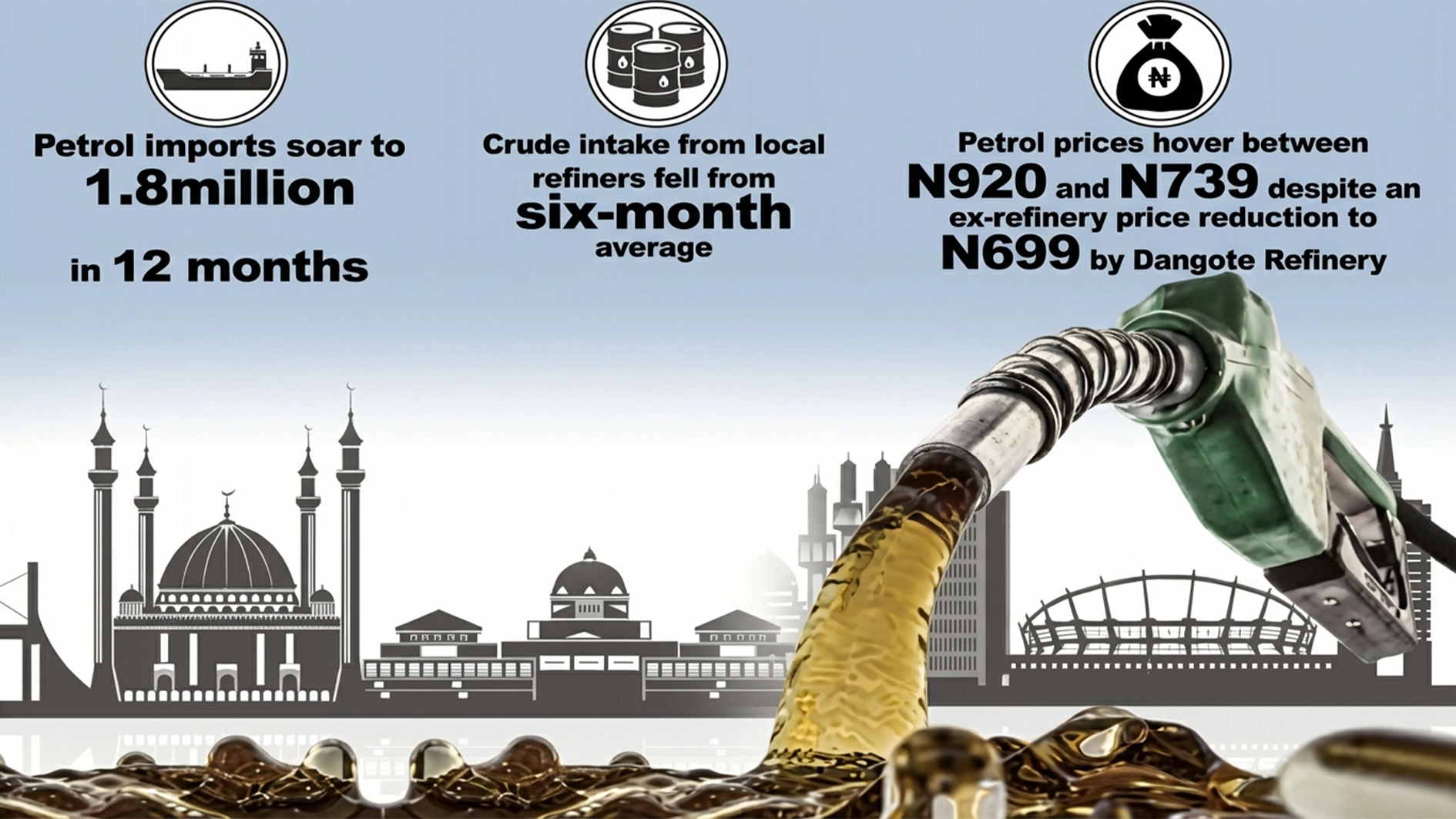
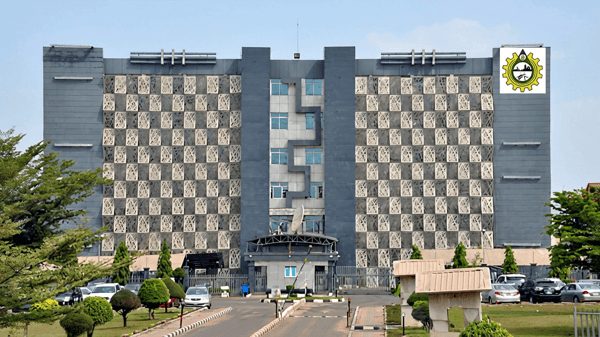
The Nigerian Midstream and Downstream Petroleum Regulatory Authority (NMDPRA) has defended the issuance of petrol import licences, insisting that domestic supply remains insufficient to meet national demand, even as President of Dangote Industries Limited, Aliko Dangote accused the regulator of misrepresenting the capacity of his refinery and encouraging imports to keep prices high.
While speaking with The Guardian, NMDPRA Director of Communications, George Ene-Ita, asked whether it is against the law to issue import licences when domestic supply is insufficient, noting that the authority’s fact sheet reflects the reality of unmet local demand.
“Is it against the law to issue import license?” he asked. Data contained in NMDPRA’s factsheet available on its website showed that Dangote’s refinery supplied an average of 23.52 million litres of petrol daily in November, below its planned capacity of 35 million litres per day, while diesel evacuation averaged 5.596 million litres daily.
The regulator noted that state-owned refineries remained largely non-operational, while among modular refiners, capacity utilisation ranged from 62 per cent to 91 per cent, with some refineries inactive.
NMDPRA further disclosed that Nigeria’s fuel sufficiency stood at 17 days for petrol, 35 days for diesel, 15 days for aviation fuel, and eight days for cooking gas, pointing to persistent supply vulnerabilities despite increased domestic refining.
Dangote, however, rejected the regulator’s position, saying the $20 billion Dangote Petroleum Refinery was driven more by legacy than profit, noting that he could have invested the funds elsewhere if financial gain were his sole objective. He disclosed plans to list the refinery on the Nigerian Exchange to allow Nigerians to own shares in the facility.
“We want every living Nigerian to have the opportunity to benefit, no matter how small their holding. If the market takes 55 per cent and I retain 45 per cent, I am satisfied,” he said.
He added that discussions were ongoing with the Securities and Exchange Commission (SEC) to enable Nigerians to purchase shares in naira while receiving dividends in dollars. Dangote accused the NMDPRA of misrepresenting the refinery’s capacity by publishing offtake figures rather than actual production levels.
“We have the capacity to meet local demand, and we have sufficient refined products in stock. But to keep prices high, imports are deliberately encouraged,” he said.
He further alleged that attempts were being made to push the refinery into exporting products, only for them to be re-imported into Nigeria at higher prices.
“This refinery is for Nigerians first, and I am not giving up,” he said. Dangote also raised concerns over crude oil supply constraints, disclosing that the refinery imports an average of 100 million barrels of crude oil annually from the United States due to insufficient domestic supply, a figure expected to rise to 200 million barrels following expansion. He added that the refinery also sources crude from Ghana and other countries, while exporting jet fuel and gasoline to the United States.
He alleged that domestic refiners are forced to buy Nigerian crude at premiums of up to four dollars per barrel from the trading arms of international oil companies, placing them at a competitive disadvantage.