 Follow Us on Google News
 Follow Us on Google Discover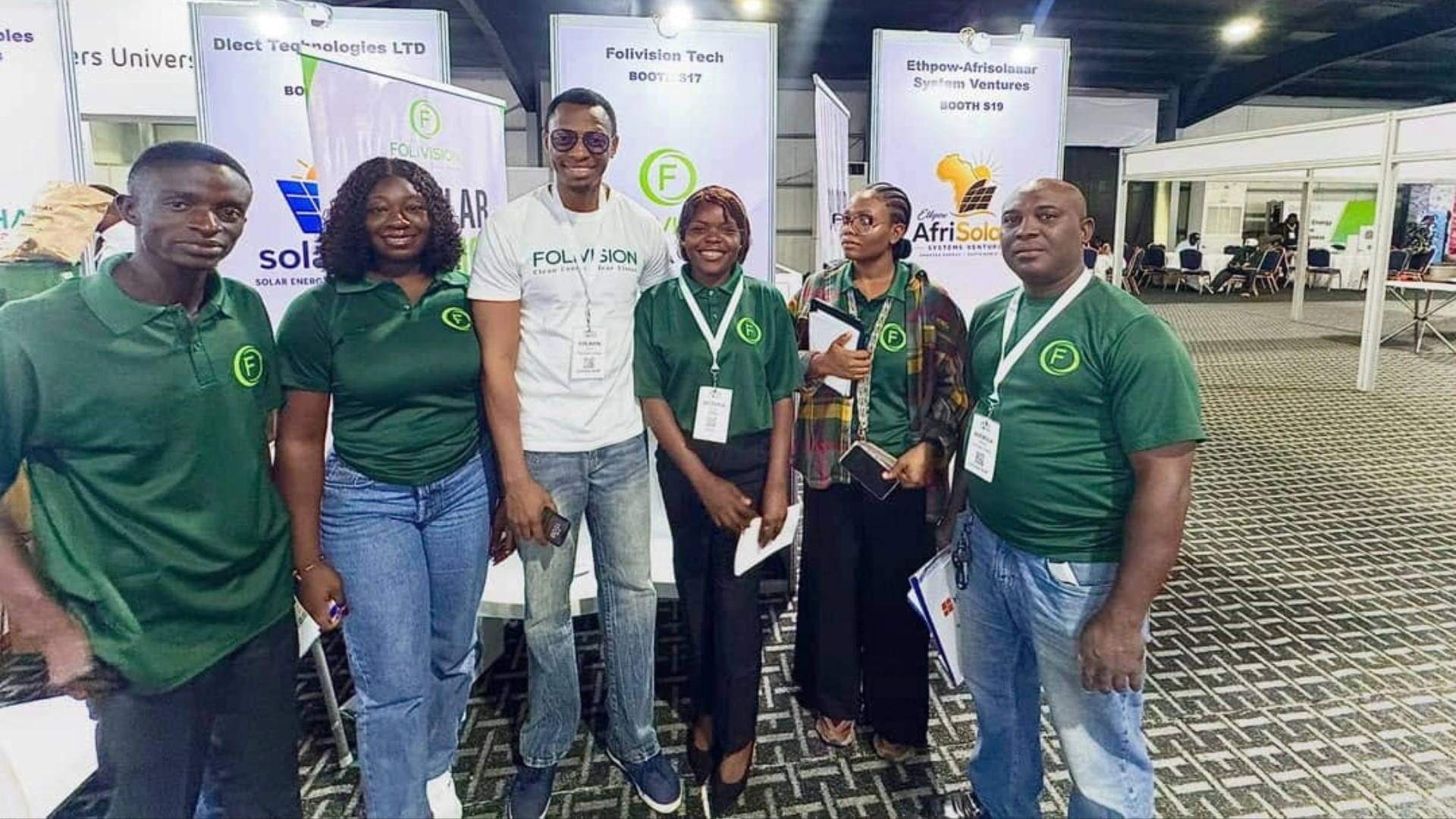
Rising electricity tariffs and the cost of running petrol and diesel generators are strengthening the economic case for solar power among Nigerian households and businesses, renewable energy company Folivision Limited has said.
The Lagos-based company said it has recorded growing interest in solar panels, inverters and battery-storage systems as consumers seek alternatives that could reduce their dependence on grid electricity and generators.
Nigeria’s electricity market has undergone significant changes in recent years, with one of the biggest adjustments affecting customers classified under Band A.
Under the Nigerian Electricity Regulatory Commission’s Service-Based Tariff system, customers are grouped according to expected daily electricity supply, with Band A covering those expected to receive at least 20 hours a day.
In April 2024, NERC approved an increase to ₦225 per kilowatt-hour for Band A customers. For example, Abuja Electricity Distribution Company Band A non-maximum-demand customers moved from ₦68.20/kWh in the first three months of 2024 to ₦225/kWh from April.
Although tariffs have subsequently varied according to regulatory orders and distribution companies, the increase significantly altered the economics of electricity consumption for affected households and businesses. NERC itself notes that electricity tariffs can vary according to location and the level of supply provided.
For consumers that supplement grid electricity with generators, energy costs can rise further because fuel, maintenance and equipment expenses must also be considered.
Folivision Chief Executive Officer, Folarin Ajumobi, said the changing cost structure was encouraging more consumers to examine renewable energy alternatives.
“Access to clean, reliable power should not be a privilege in Nigeria,” Ajumobi said. “Every home and business we connect to solar is one less dependent on expensive fuel and an unstable grid. The economics have shifted, and solar is no longer only the clean choice. It has become the sensible financial one.”
Founded in 2022, Folivision provides solar energy services to residential, commercial and industrial customers, covering energy audits, system design, installation, monitoring and maintenance.
The company installs solar panels alongside hybrid inverters and lithium iron phosphate battery systems, with installations ranging from residential rooftop systems to larger commercial projects.
As Nigeria’s solar market expands, however, the initial cost of equipment remains one of the obstacles facing households and small businesses considering the transition.
Solar installations can require significant upfront spending, particularly where consumers need enough generation and battery capacity to support high-load appliances or business operations for extended periods.
Folivision said it has introduced financing arrangements intended to address that challenge, including lease-to-own and instalment-based payment options.
The company also operates a Solar-as-a-Service model targeted at commercial customers. Under the arrangement, Folivision finances, installs and maintains the system while the customer pays for electricity generated under the terms of the agreement.
Such financing models could become increasingly important to the growth of Nigeria’s renewable energy industry because they separate the decision to adopt solar from the requirement to finance the entire installation upfront.
Ajumobi said businesses are particularly interested in the potential effect of alternative energy on operating costs.
“The businesses we work with are not just looking for clean energy, they are looking to protect their margins,” he said.
“When a clinic can keep its refrigeration running, or a supermarket can keep its freezers cold without burning diesel all day, that is real money saved and real risk removed. Our job is to make that switch accessible, properly engineered and built to last.”
The economics can differ considerably between customers.
The financial case for solar depends on factors including electricity consumption, generator usage, grid availability, tariff classification, system size, battery capacity, financing costs and the lifespan and maintenance requirements of the equipment.
For businesses that depend heavily on generators, reducing fuel consumption can potentially generate substantial savings. Households with lower electricity consumption or relatively reliable grid supply may experience a different payback period.
That makes accurate energy assessment important before an installation is designed.
Folivision said it conducts assessments of customers’ electricity consumption before recommending system capacity, an approach intended to avoid both undersizing and unnecessary expenditure on equipment beyond a customer’s requirements.
The company said its engineers also handle system design, installation and after-sales maintenance, with safety and equipment performance forming part of the installation process.
The growing interest in solar comes as Nigeria continues to confront longstanding electricity challenges while households and businesses increasingly examine combinations of grid electricity, generators, solar generation and battery storage.
For businesses, electricity is more than a household expense. Unreliable supply can affect production, refrigeration, healthcare services, retail operations, information technology and other activities where interruptions translate directly into financial losses.
Solar and battery systems consequently offer businesses another way of managing both electricity costs and supply risks.
The transition is unlikely to eliminate Nigeria’s dependence on the national electricity system. Instead, the emerging energy market increasingly allows consumers to combine different sources according to their needs and financial capacity.
Folivision said it intends to expand its operations beyond Lagos into other major Nigerian cities while widening access to financing arrangements for households and small and medium-sized enterprises.
For Ajumobi, the opportunity lies in making renewable energy not simply an environmental proposition, but an economically practical option for consumers.
As electricity and generator costs continue to influence household budgets and business margins, the calculation facing more Nigerians is gradually changing from whether alternative power is desirable to whether investing in it can reduce their long-term energy costs.

