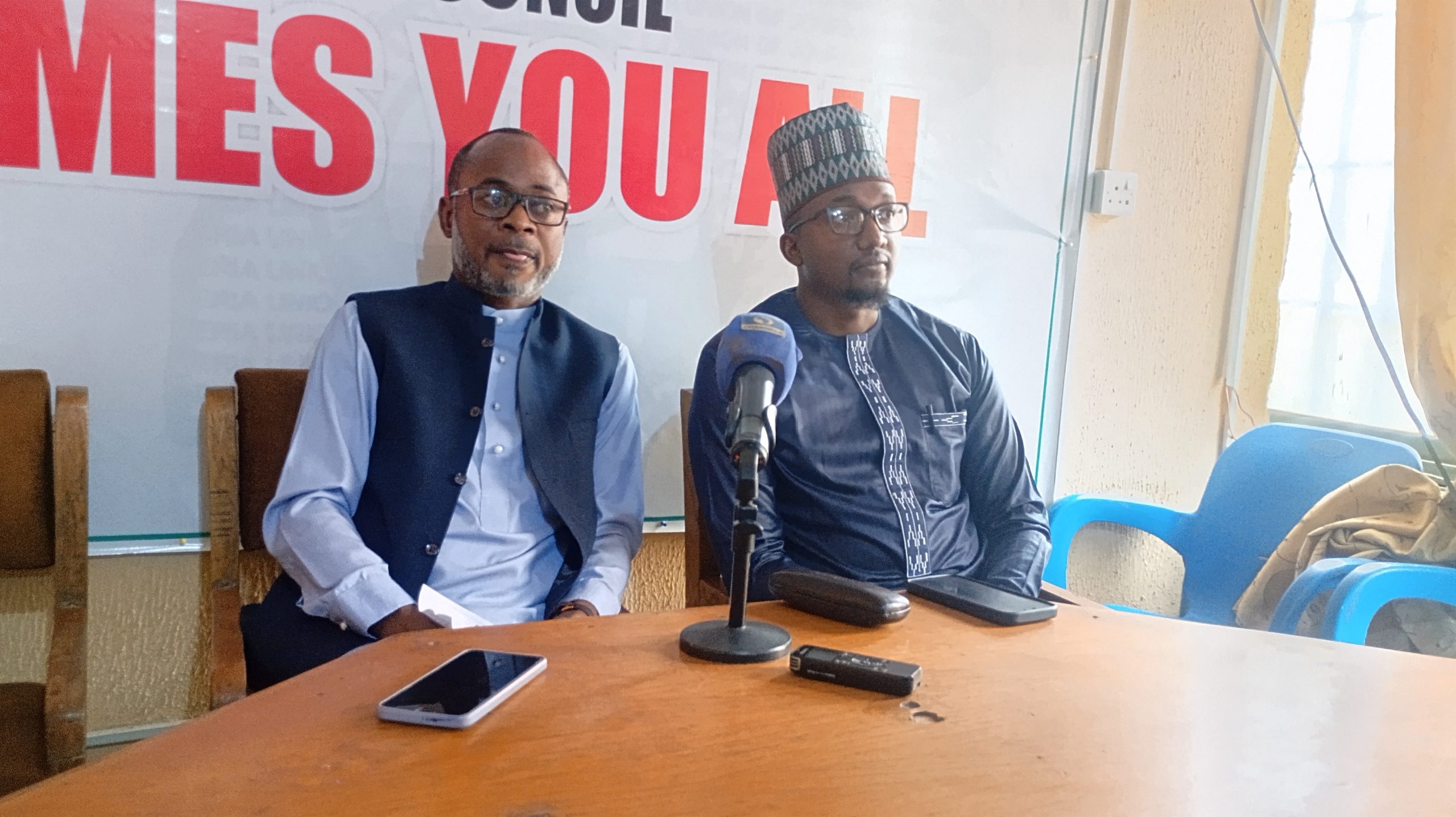
The political realignment in Rivers State gathered further momentum on Tuesday as the Peoples Democratic Party (PDP) lost more of its elected representatives to the ruling All Progressives Congress (APC), tightening the party’s grip on the state’s federal representation and intensifying an already bitter internal crisis within the opposition.
Two senators from Rivers State, Onyesoh Alwell, who represents Rivers East Senatorial District, and Barry Mpigi, who represents Rivers Southeast Senatorial District, formally announced their defection from the PDP to the APC on the floor of the Senate.
Both lawmakers are widely regarded as loyalists of the Minister of the Federal Capital Territory, Nyesom Wike.
Their defection came the same day six members of the House of Representatives from Rivers State, elected on the PDP platform, also crossed over to the APC. The lawmakers are Robinson Dekor, Solomon Bob, Cyril Hart, Victor Obuzor, Blessing Amadi and Felix Nwaeke.
Reading their letters during plenary, the Speaker of the House of Representatives, Tajudeen Abbas, said the lawmakers cited “divisions and unresolved political crisis in the PDP” as the reason for their decision.
The defectors also pledged to align with the “Renewed Hope Agenda” of President Bola Tinubu.
With the latest defections, the PDP’s representation in the Rivers State caucus of the House of Representatives has been reduced to two members.
The remaining lawmakers are the House Minority Leader, Kingsley Chinda, and Kelechi Nwogu.
Defection galore
The developments follow a wave of defections over the past three weeks that has affected all tiers of elected representation in the state.
Last week, three federal lawmakers — Boniface Emerengwa, Awaji-Inombek Abiante and Boma Goodhead — also left the PDP for the APC, while four others, including one elected on the platform of the Labour Party, defected on December 19.
The broader realignment began earlier in the month when 16 members of the Rivers State House of Assembly, led by Speaker Martins Amaewhule, defected to the APC during plenary on December 5. Amaewhule said the decision was based on divisions within the PDP, adding that he would “join hands with Mr President”, whom he said “means well for the country”.
Reacting to the defections at the state level, Wike attributed the development to the party’s internal crisis while insisting that lawmakers were constitutionally entitled to make their own political choices.
“Well, it’s unfortunate. I have always said that everybody has the right to make a choice,” he said. “The party is fully factionalised. And the requirement of the Constitution is that when a party is factionalised, they are allowed to leave the party.”
Wike said not all lawmakers had left the PDP and that he would continue to work with those who remained. “I’m still in the PDP. So those who have remained, we’ll continue to work together,” he added, while urging the party to “put your house in order”.
Wike expelled
However, the PDP leadership has taken a harder stance. The National Chairman of the party’s recognised faction, Kabiru Tanimu Turaki (SAN), said the expulsion of Wike and his loyalists from the party was final, insisting that the decision of the PDP National Convention could not be reversed.
“My friend and very good friend Barr Nyesom Wike… he is my friend, I don’t deny my friends, but he is no longer a member of the PDP,” Turaki said. “You can’t break the rules of the union and you continue to say you must be a member. Things are not done that way in a decent society.”
Turaki also confirmed that the party had constituted a legal team to challenge the seats of the Rivers State House of Assembly members who defected.
“We have raised a legal team to challenge the seat of the 16 members who defected last week in Rivers State,” he said.
On the wider political implications, Turaki acknowledged that governors and lawmakers had an “inalienable right” to defect but argued that moral considerations should apply, adding that the PDP would refocus on rebuilding the party from the grassroots.