• Says 23 states have indicated interest
The African Development Bank (AfDB) has disclosed plans to commence the phase II of the Staple Crop Processing Zone project (SCPZ).
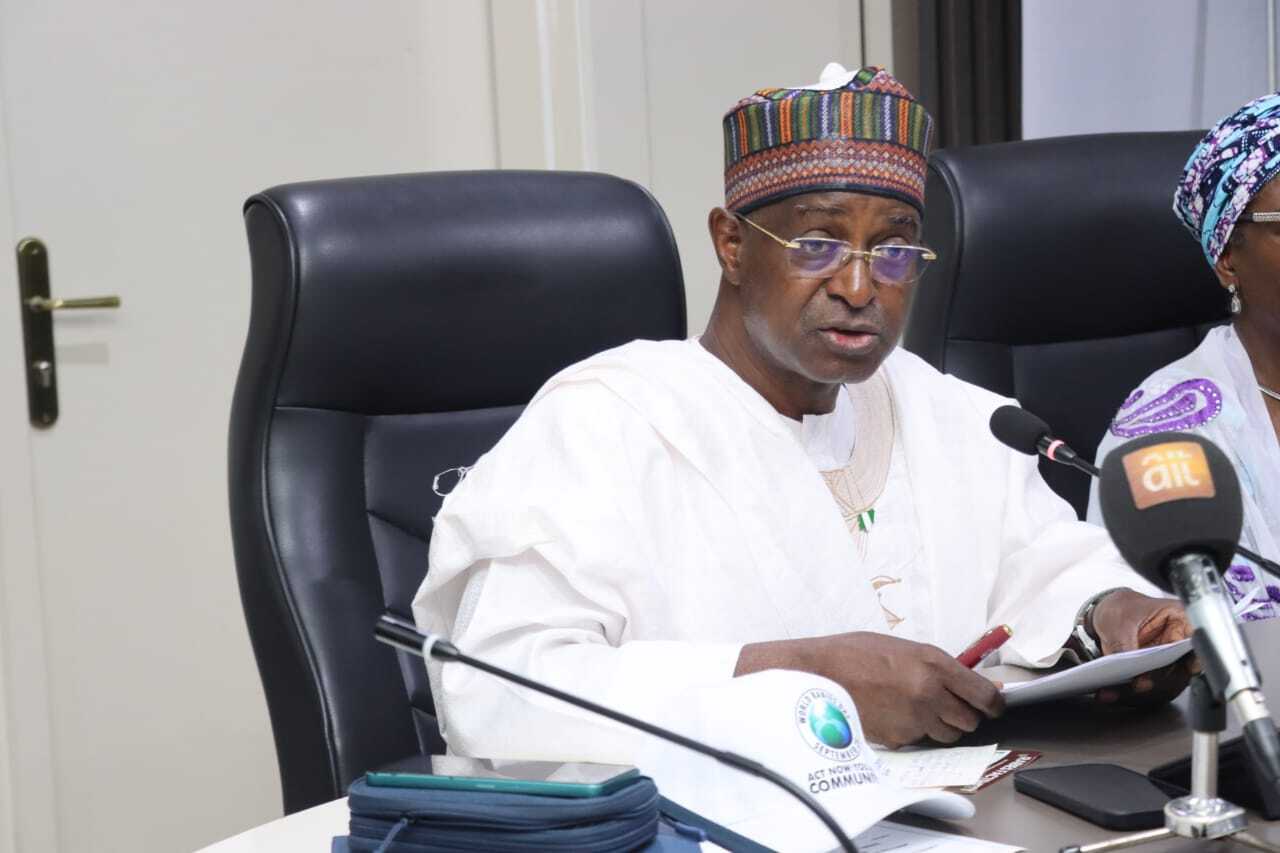
The Director General of AfDB, Lamin Barrow, who revealed this during the inception workshop of the SCPZ in Abuja, said owing to the success of the first phase, about 23 states have indicated interest to also participate in the project.
The states include, Lagos, Anambra, Benue, Ekiti, Delta, Gombe, Ondo, Jigawa, Katsina, Kebbi, Kogi, Nasarawa, Niger, Bayelsa, Bauchi, Ebonyi, Enugu, Osun, Rivers, Sokoto, Taraba and Borno.
He pointed out that the AfDB President, Dr. Akinwunmi Adesina, had said that the SCPZ would be the game changers for agriculture in Nigeria, as it will provide world class infrastructure to support food agribusinesses, develop competitive value chains supported by logistic systems that will drive food processing and value addition.
Barrow added that the SAPZs would help create massive wealth and jobs in rural areas and turn the areas away from being zones of economic misery to zones of economic prosperity.
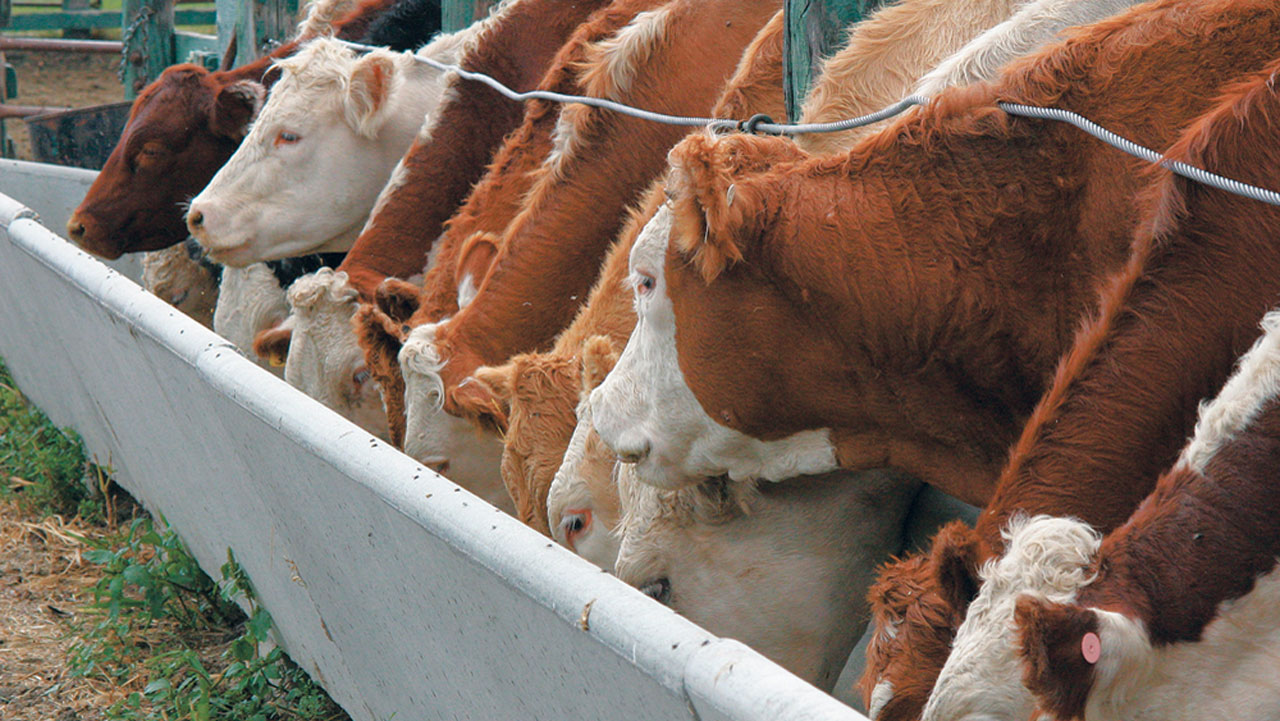
He revealed that the first phase of the project, which was started in 2022, is currently being implemented in seven states – Cross River (cocoa, rice, and cassava); Imo (beef and dairy livestock); Kaduna (tomato, maize, and ginger); Kano (rice, tomato, groundnuts, and sesame oil); Kwara (livestock), Ogun (cassava, rice, poultry, and fisheries); and Oyo (cassava, soybean, rice). It is also being rolled out in the country’s Abuja Federal Capital Territory (beef and dairy livestock).
The Director General mentioned that states participating in the first phase were chosen based on their readiness and to achieve a balance across the six geo-political zones, revealing that the AfDB and key development partners are co-financing the first phase for a value of $538.05m.
He explained that the programme has four broad components – support for the development of enabling climate-adapted infrastructure for agro-industrial hubs; improving agricultural productivity and enterprise development to enhance value chains and job creation in the SAPZ catchment areas; as well as support agro-industrial zone policy, institutional development, and program coordination and management.
“Under the Phase 1, about 1.5 million households were expected to benefit directly throughout the agricultural value chain. This includes private agribusinesses, agro-processors, smallholder farmers, agripreneurs, and agro-dealers.”
SAPZs will create at least 400,000 direct jobs, and a further 1.6 million indirect jobs during construction and the operational phase. Micro, small, and medium enterprises, as well as factories, along the value chain will create most of the jobs, along with tenant industries in the agro-industrial hubs.”