 Follow Us on Google News
 Follow Us on Google Discover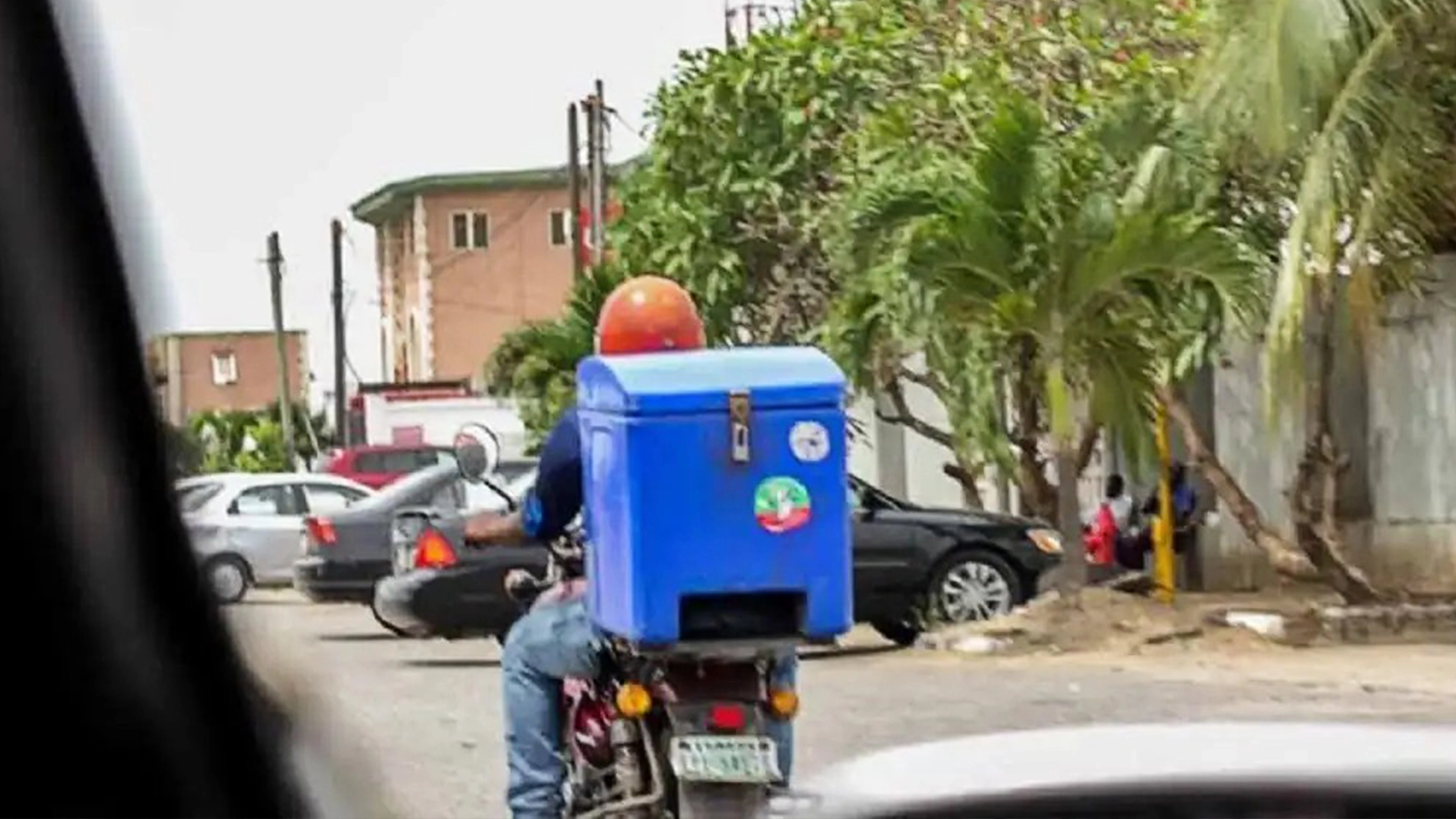
As new means of intra-city drug trafficking now emerge in desperation to beat the odds, David Meshioye investigates the use of dispatch riders as mules. The special report also uncovers the recklessness that permeates the daily lives of dispatch riders in this 10-month investigation.
Since dawn, Chukwudi Dennis, a self-styled dispatch rider for Ocean Logistics, has been cursing the skies. Such tantrums aren’t out of the ordinary for Dennis when heaven opened its windows, but today is different; he is carrying a prescribed drug purchased online for a 54-year-old woman who is struggling to stay alive after an endless battle with diabetes. Sadly, his final location is a three-hour ride to Odonguyan in Ikorodu, or rather, a 3-hour trek through the mud, provided all goes to plan.
“It’s a living hell to deliver goods when it’s raining; you can barely see clearly, and some of the roads are awful,” says Dennis, armed with over 10 years of experience as a dispatcher.
The 41-year-old rider is not even sure if his 13-year-old motorcycle will weather the storm on the bumpy road, paramount before Dennis is to deliver the drugs, but endless calls from other customers, who equally want their goods delivered in due time, is making him lose his head. However, 10 years of navigation have taught him to keep his core. Each time he heads out on his motorcycle, Dennis asks himself the same question: Will his jalopy survive the journey?
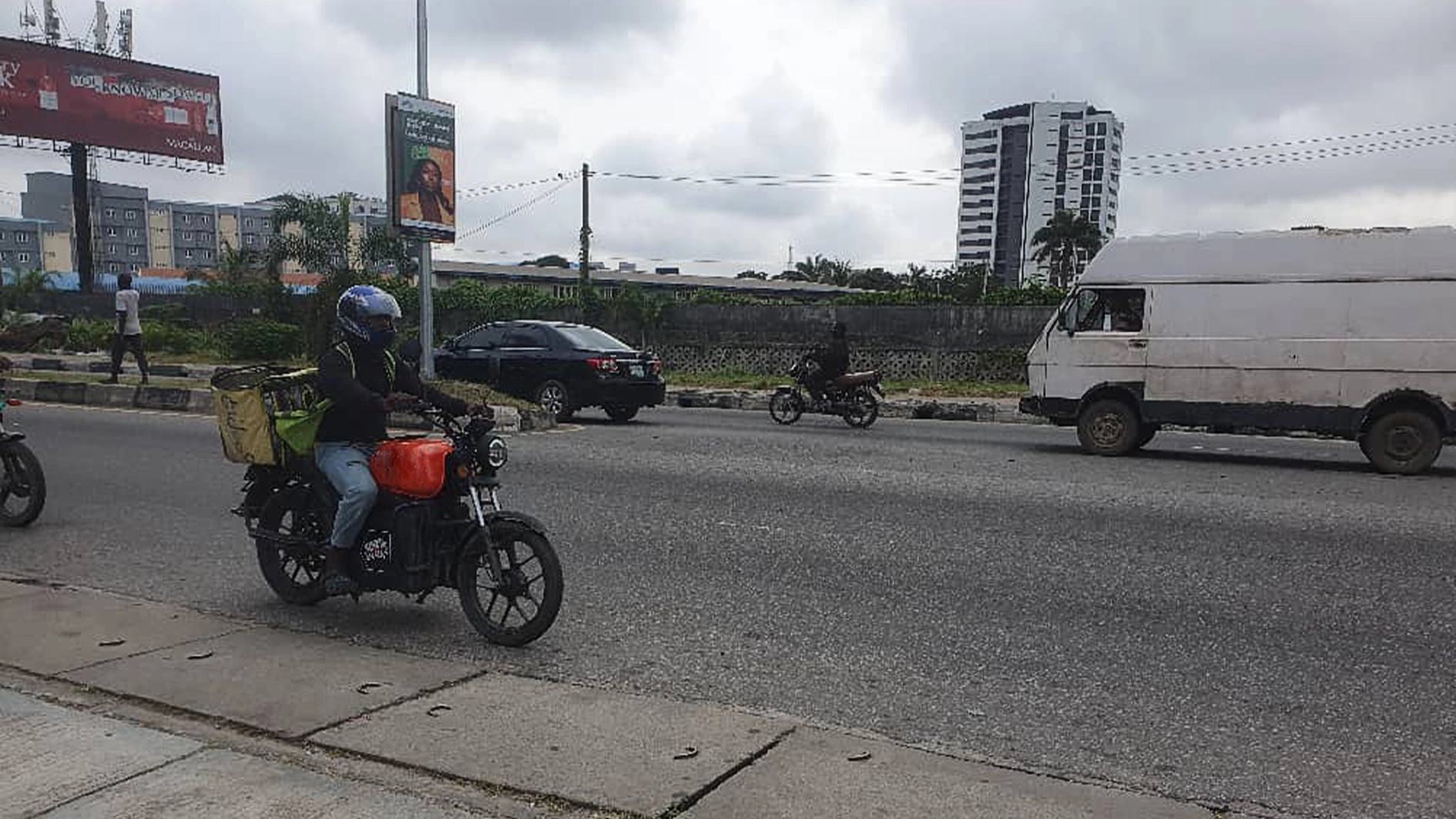
While Dennis seeks answers to his million-dollar question, another dispatch rider, Kamaru Oluwaseun, is being held up at Ikotun roundabout by local government touts who are bent on extorting money from him. Despite providing his rider’s card, LASAA registration, operational permit, road tax certificate, driver’s and conductor’s badge certificates, gaseous emission permit, and just name it, he was jolted around for about ten minutes by the stern-looking touts, but he endured his ordeal in silence. Thorn between the devil and the deep blue sea, nothing eases his burden, nothing except the constant effort by passersby and onlookers who wade in to free him from the grips of these touts.
Although the Lagos State government vehemently frowns on extortion from registered dispatch riders, that was too late, as Kamaru reluctantly parted with 3000 naira before he was let go. With 35 minutes wasted from his precious time, he zoomed off, cursing his luck. In a country where jobs are scarce, securing a source of income is highly valued, but Kamaru, who is in his early forties, must support his wife and two children
‘My life as a dispatch rider is tough, but a fairly good one. I make money daily from my side hustle, and I’m able to put food on my table. I will never be rich, of course. I mean, it takes a monthly contribution to be able to buy new shoes and things like that, but I don’t have to go around stealing things. The family can still afford two square meals daily, and I can send my kids to school. Nobody tells me what to do when I don’t need to go chasing after my money. I am my own boss. It is really a tough and exhausting job, ” he said, wiping a thick sweat from his forehead.
Dicing With Death
The racing dispatch riders in Nigeria are not afraid to take risks. Whether the distances are short or long, those who want to send goods and have them delivered quickly are left with no other choice than to dispatch them, and these riders are willing to put their lives on the line to ensure those goods are delivered, even if it means losing their limbs or legs. Car drivers never dare dispatch riders; they manoeuvre between cars and speed with their eyes wide shut. Love or loathe them, all that matters to them is getting the job done.
”For a dispatch rider, the truck and car drivers are worse; they make life difficult for us, and they don’t like seeing us on the roads. Yes, we can be rough in most cases, but people need to understand it’s the nature of the job. It is either we carry a prescribed drug that must be delivered to a patient who is between life and death, or goods that will determine where a family’s next meal is coming from. We shoulder the burden of many, hence our resolve to deliver the goods in no time, and that will require some rough driving if we must beat the odds. Our lives are always on the edge daily, said 38-year-old Michael Eromosele, who took up the profession after Lagos State government banned Okada riders from highways. The rough-riding style of these dispatchers poses a lethal hazard not only for them but also for other road users. Traffic wardens call them untamed rats of the highway, given the way and manner with which they beat traffic lights at every slightest opportunity.
”They are a menace to all road users,” begins Sergeant Sunday Akinwunmi. These guys behave like rats with the way they emerge from nowhere and are always in a hurry to get to their destination. In the process, they usually disrupt our jobs as traffic wardens,” he lamented.
Dispatch riders play a vital role in Lagos’ logistics and transportation ecosystem, navigating the city’s notorious traffic to deliver goods and services.
 A dispatch rider with a delivery company, Q-Link Delivery Services, was snatched away by the cold hands of death on September 30 after he rammed into a commercial bus on the Third Mainland Bridge, Lagos State. The rider was said to be conveying deliveries to a destination around 11 am when he lost control of the motorcycle and rammed into the commercial bus filled with passengers.
While the commercial bus suffered little damage, the motorcycle went up in flames, and the dispatch rider was burned to death.
Another sad event occurred on October 16, after a dispatch rider was sent to his early grave when he was crushed by a moving train along the PWD Railway Level, Ikeja, Lagos State. Filled with impatience, coupled with a mindset of being fast enough to beat any delay and manoeuvre within a little space, the rider was travelling at excessive speed, trying to quickly manoeuvre across the railway track to reach the GRA area of Ikeja. Unfortunately, he collided with an oncoming train. The impact was fatal, resulting in the rider’s instant death, while the train continued its course along the tracks.
However, the most pathetic scenario that highlighted the daily hazards of being a dispatch rider occurred when a top official of the National Union of Road Transport Workers (NURTW), Shamsideen Adio, beat a dispatch rider to a pulp, using a helmet and fists to inflict serious injuries. The incident which occurred in Tapa Street, Lagos Island, on Wednesday, September 17, 2025, according to eyewitnesses, began when Adio’s vehicle was allegedly obstructed by the rider.
The situation quickly escalated, with Adio, popularly known as “Shamelon”, joined by friends and colleagues, who reportedly battered the rider mercilessly. While Shamelon has a case pending in court facing trials, the incident also raised concerns about the safety and well-being of riders in Lagos, highlighting the need for accountability and protection.
The Drug Trade
While the narcotic division of the Nigerian Drug Law Enforcement Agency is leaving no stone unturned to rid the country of drug trafficking, drug barons are equally devising new means of doing their trade. Drug barons now infiltrate other businesses to carry out their illicit trade. According to NDLEA Senior Narcotic Officer, Wali Liman, in an exclusive chat with The Guardian, men of the underworld now set up a duly registered dispatch company with drug trafficking in mind
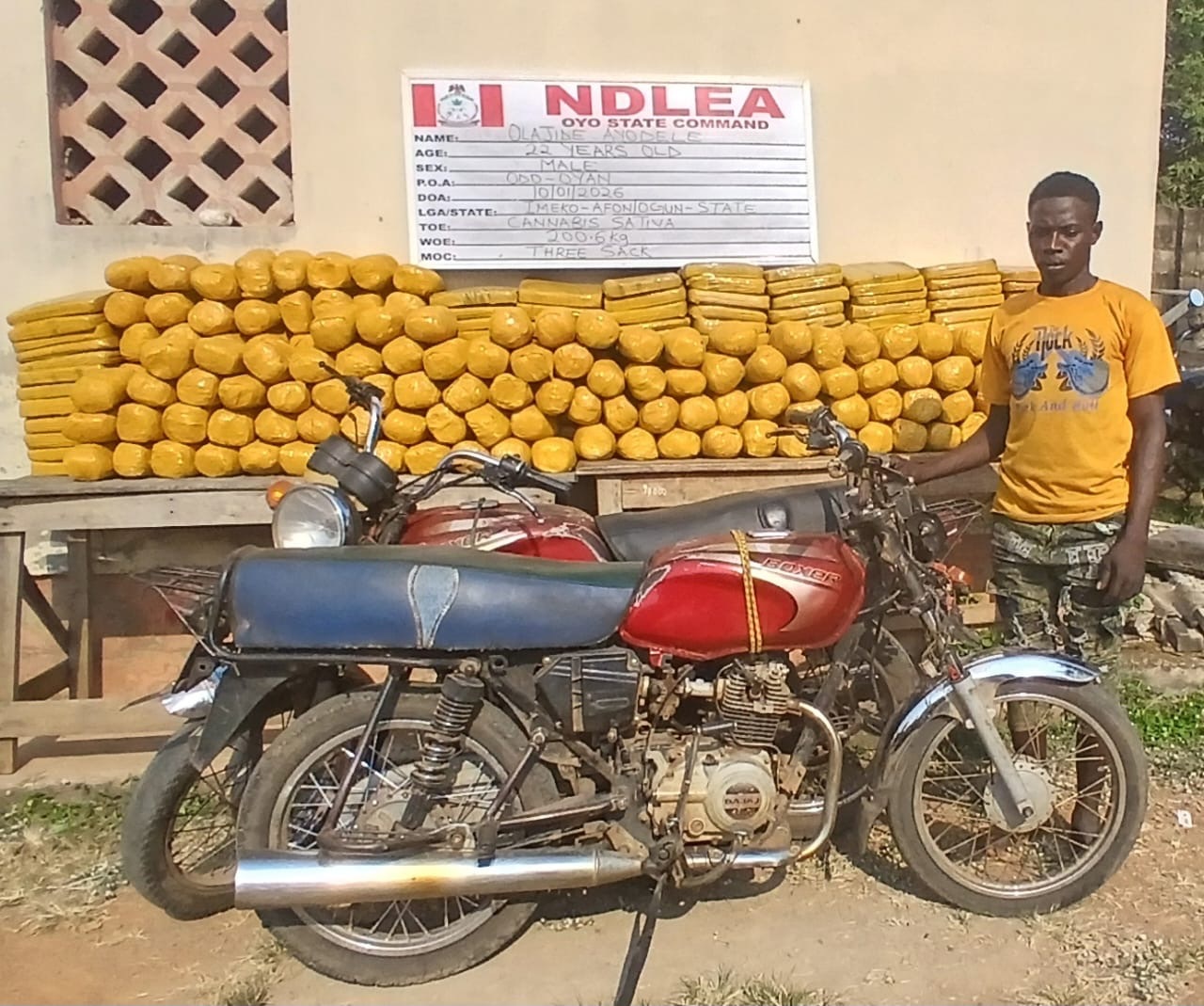
‘Most of the drugs now set up online business names with different codes for Cocaine, Marijuana, Loud and all sorts of hard drugs, where interested customers easily order online. They also have their dispatch companies who ensure these drugs are delivered at the doorsteps of their customers. These so-called customers are wealthy. We are doing everything possible to checkmate this, but you know Lagos Island is designed with different routes which allow these riders to escape our men, who cannot be positioned in every nook and cranny of the roads. Also, because most of them operate with bikes, it becomes easy for them to quickly change their routes once they see our men far off, ”he told The Guardian
But some of the riders have not been lucky. On November 6th, the Delta State Police Command nabbed a drug trafficking syndicate operating under the guise of courier services, with dispatch riders operating as couriers for narcotics.
Police spokesperson SP Bright Edafe, operatives arrested several suspects linked to a network that allegedly used hotels and dispatched riders to traffic cannabis and other hard drugs across the state. According to him, a group of young women, aged between 20 and 25, were found to have lodged in a hotel for months while coordinating drug distribution.
“These young women used the hotel as a cover, staying there for months while conducting illegal drug activities,” Edafe said. “They worked hand-in-hand with dispatch riders who transported the drugs from one location to another.”
One of the suspects, Kingsley Eze, a dispatch Rider, was carrying 15,000 wraps of cannabis when he was arrested, while another suspect, identified as Ramadan, confessed to collecting cannabis from 21-year-old Queen Chukwu from Enugu State and supplying it to buyers on her behalf.
A dispatch rider in Ikotun revealed how some riders ignorantly traffic drugs within Lagos. He stated in clear terms that these riders are cornered into a quiet spot to pick such delivery in a desperate bid to avoid suspicion. According to him, a parcel owner disappeared into thin air after he suspected that his dispatch rider was speaking under duress during one of their calls. Afraid of being caught by anti-narcotic operatives, he blocked the line and refused to pick the consignment.
”Some of my friends on the job narrated their ordeal with these drug lords. Most of them pick these goods unknowingly and deliver them to their final destination. The best way to stay away from trouble is to avoid goods without receivers house address,” he warned
Public OutcryThe public has continued to call on security personnel to rise to the occasion as the drug trade moves on seamlessly, with dispatch riders aiding and abetting drug trafficking in Nigeria.
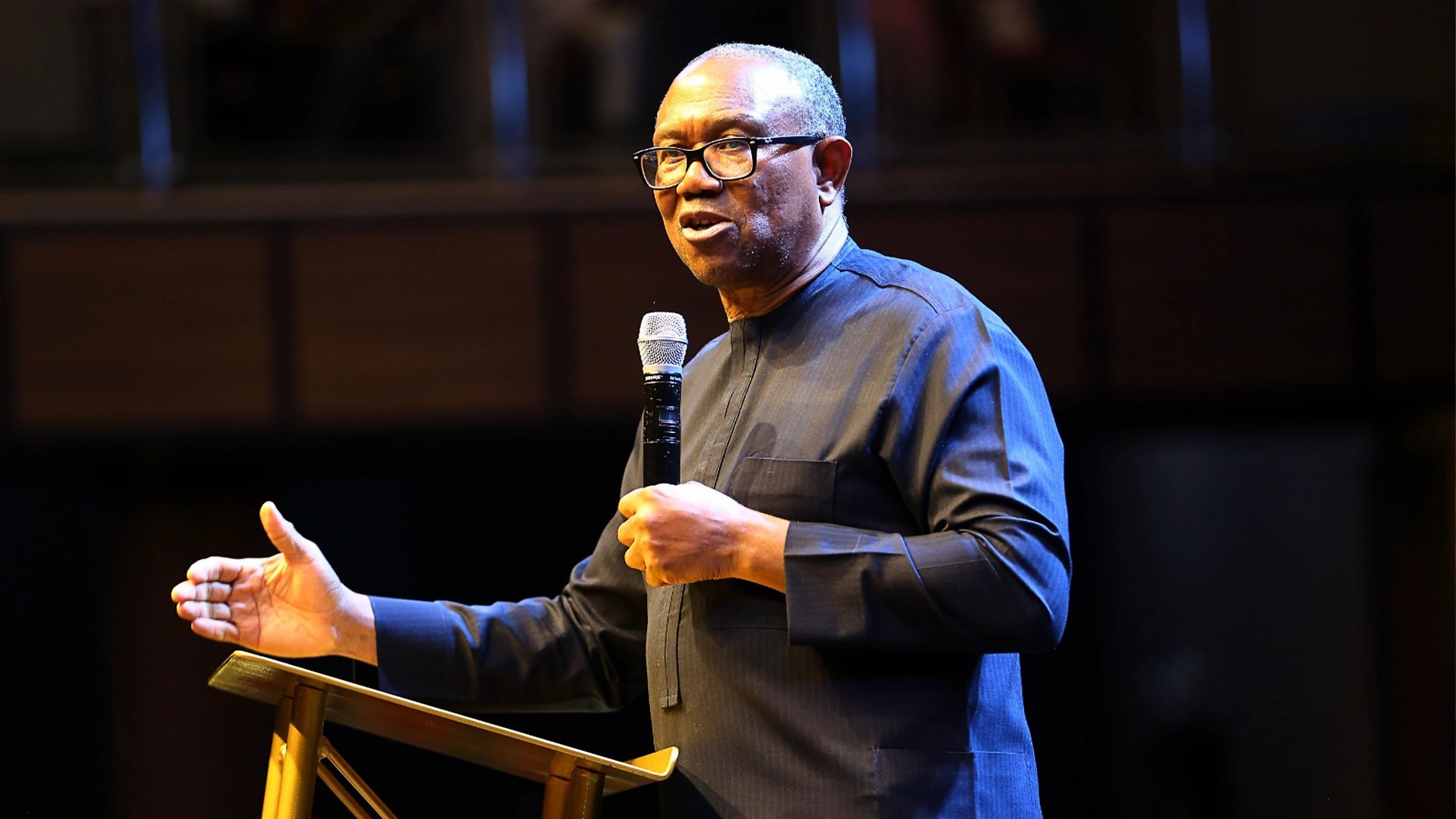
Peter Obi, the Labour Party’s 2023 presidential candidate, voiced serious concerns about drug traffickers using courier services to distribute narcotics in Nigeria. In a statement on his X handle, he described this trend as a reflection of the country’s deepening decay and highlighted the weaknesses in Nigeria’s regulatory and security systems. Obi noted that the ease with which criminals can transport drugs shows how fragile these systems have become.
”Despite warnings from the National Drug Law Enforcement Agency (NDLEA), the situation is worsening, which he attributes to corruption and weak oversight. “The NDLEA has raised this concern many times, yet the problem persists,” he said, emphasising the culture of impunity surrounding law enforcement.
In his warnings, Delta State Police Public Relations Officer, Bright Edafe, has repeatedly warned dispatch riders to open contents before agreeing to deliver such goods, because they might contain hard drugs.
‘If you are in the business of dispatch or courier, it’s your duty to check what you are carrying. This is very important, please,” he warned.
But the general public has continued to berate the Nigerian Police for doing shoddy jobs in their endless war against drug trafficking. An American adage says, If all that you are armed with is a hammer, everything around you becomes a nail, and you keep slamming the hammer on them. This might well be the case of the Nigerian Police, who seem satisfied pinning down dispatch riders when, in fact, they go after the receiver of the drugs. Police, unlike the NDLEA, have their eyes fixed on dispatch riders alone, without getting to the source and the receiver.
Social media is awash with inconclusive investigations, when all that the Police need to do is simply walk the driver to the destination, get hold of the end receiver, then back to the sender, finish the investigation, then parade all suspects. That’s how to curb the menace of drug trafficking in society.
Conclusion
The end is not in sight as far as the fight against drug trafficking is concerned, but NDLEA and other anti-narcotic agencies are not giving up on the war. As for Chukwudi Dennis, he is determined to live with the risks that come with the job and ensure his family survives. With dispatch riders bent on not becoming the next mule for drug traffickers, it remains to be seen how NDLEA intends to bug that has eaten deep into the logistics business.

